
Import Shopify to WooCommerce 1.4.5



- Secure Payment
- Support Monday to Friday
- With You Since 2018
$49.00 The original price was: $49.00.$5.99The current price is: $5.99.
quick summary
Import Shopify to WooCommerce is designed for those who manage a Shopify store and want to migrate it, fully or partially, to WooCommerce without having to redo everything manually. It allows you to import products, key data, and the basic catalog structure within WordPress, reducing repetitive steps and copying errors. It's especially useful for businesses migrating their e-commerce site, testing WooCommerce in parallel, or centralizing multiple stores in a single environment.
What problem does it help solve?
When deciding to migrate from Shopify to WooCommerce, the first hurdle arises when you see how many products, categories, images, and details need to be replicated. Copying each item individually not only takes days, but also opens the door to incomplete descriptions, incorrectly entered prices, and missing variations. In real-world projects, this translates into inconsistent catalogs, disorganized URLs, and a constant feeling of being out of control when reviewing inventory in WordPress.
If you've ever started a migration full of enthusiasm only to discover halfway through that maintaining consistency between Shopify and WooCommerce is impossible manually, you understand the underlying problem: the catalog isn't designed to be manually duplicated. Import Shopify to WooCommerce addresses precisely this bottleneck, connecting existing data to WooCommerce logically and structuredly, without forcing you to rebuild everything from scratch.
Why this solution makes a difference
Importing Shopify to WooCommerce isn't just about "bringing data"; it streamlines the migration process within the WordPress environment. Instead of scattered spreadsheets, notes with SKUs, and multiple tabs open across both platforms, you consolidate the transition into a guided process from the admin panel. This directly impacts both the time spent and the accuracy of the information that ends up published in your catalog.
In day-to-day operations, the difference is noticeable when managing changes to an already imported catalog: it's easier to review, correct, and complete data when the starting point is already well-structured. On the other hand, when you start noticing that manual revisions generate returns, customer inquiries about incomplete information, or incorrect prices, having a consistent import workflow becomes a key factor in keeping the store operational while you migrate to a new platform.
Signs you need this product
- Problem already present on the site: You already exported data from Shopify and when you tried to load it into WooCommerce you ended up with disorganized products, without clear categories or with incomplete variations.
- Friction in WordPress or WooCommerce: Every time you want to adjust the imported catalog, you waste time locating which product corresponds to which original Shopify reference.
- Loss of control or time: Your team spends hours copying and pasting descriptions, images, and prices, with the constant feeling that something is being left out.
- Typical growth scenario: Your Shopify store has grown and you need to move to WooCommerce to better integrate with other WordPress projects, but the current volume of products makes a manual migration unfeasible without a specific import tool.
When does it make sense to use it (and when doesn't)
Importing Shopify to WooCommerce makes sense when you already have a catalog built in Shopify that you want to replicate in WooCommerce as accurately and efficiently as possible. In this context, it reduces the risk of missing products, avoids inconsistencies between descriptions, and maintains a cleaner database for continued scalability in WordPress. It's especially useful when migrating not just a few items, but an entire store with a history, variations, and defined collections.
On the other hand, this type of tool isn't necessary if you haven't yet created products in Shopify or if you're going to set up your store directly in WooCommerce from scratch. It also doesn't offer real value when you only have one or two test products in Shopify, since in that case, replicating them manually is quick and manageable. Importing Shopify to WooCommerce makes sense when the volume and complexity of your catalog make manual migration a clear source of errors and wasted time.
Who it fits best for
- Stores currently operating that want to migrate: Business owners with an established catalog on Shopify who decide to move to WooCommerce to gain flexibility within the WordPress ecosystem.
- Agencies and freelancers: Professionals who manage migrations for clients and need a more controlled process to move product data without manually redoing entire inventories.
- Multi-store projects: ecommerce managers who run multiple sites and want to centralize operations in WooCommerce without abandoning the work already done previously in Shopify.
Practical benefits
- Real operational improvement: You reduce manual steps when transferring key catalog information, allowing you to focus on optimizing listings, SEO, and shopping experience instead of repeating data entry tasks.
- Use experience: Product management within WooCommerce starts from a coherent base, with data brought in in a structured way, which makes it easier to navigate the inventory, apply filters and locate specific references.
- Control and organization: You maintain a clearer relationship between what you had in Shopify and what now exists in WooCommerce, avoiding unnecessary duplicates or "orphan" products without category or context.
- Time saving: The time previously spent copying and pasting product sheets is redirected to reviewing the quality of information, polishing content, and adjusting key business details.
- Error reduction: By minimizing the manual manipulation of sensitive data such as prices, SKUs, or attribute combinations, the risk of inconsistencies that impact orders, stock, and customer service is reduced.
How it fits within WordPress
Within the typical WordPress workflow, Import Shopify to WooCommerce operates during the initial store setup phase, once WooCommerce is up and running and you need to populate it with your Shopify product catalog. In this context, it integrates seamlessly with the product management logic, allowing you to work with imported items just like any other native WooCommerce element: adjust titles, optimize descriptions, and configure taxes and shipping methods on a pre-populated database.
This is especially relevant when a project requires a seamless platform transition: the priority is maintaining sales, avoiding disruptions, and not forcing the team to learn duplicate processes. Import Shopify to WooCommerce facilitates this integration by providing a bridge between the two environments, allowing the team to focus on business strategy rather than repetitive data transfer tasks.
Common usage scenarios
- Real-world use in ecommerce: A fashion store that already sells on Shopify decides to switch to WooCommerce to integrate blog, landing pages and campaigns within the same WordPress site; it imports the catalog of garments, sizes and colors to maintain consistency while adjusting the design of the new store.
- Specific case study: An agency receives a commission to migrate a catalog of technology products from Shopify to WooCommerce. Instead of creating hundreds of listings from scratch, they centralize the import and dedicate the remaining time to improving the category structure and sales copy.
- Situation where it provides direct value: A business that wants to operate temporarily on both platforms decides to keep Shopify active while preparing for the final launch on WooCommerce; with Import Shopify to WooCommerce, they can replicate the catalog and run tests without interrupting the main store.
Frequently Asked Questions about Importing Shopify to WooCommerce
At what stage of the project is it best to use Import Shopify to WooCommerce?
The most effective time to use Import Shopify to WooCommerce is when WooCommerce is already set up at a basic level and the next step is to import the existing Shopify catalog. This way, you avoid loading data onto a store that doesn't yet have a minimal structure. Furthermore, it allows you to review the imported information and adapt it to the new design before making the store public on WordPress, maintaining control over how the products are displayed to the end customer.
What happens to product descriptions and details during import?
When using Import Shopify to WooCommerce, the goal is to transfer relevant product information from Shopify to the WooCommerce environment so you don't have to rewrite it. After the import, you can edit text, titles, and other fields directly in WordPress. This allows you to preserve your previous work while adapting the content to the new store's style, improving on-page SEO, and adjusting marketing messages without starting completely from scratch.
Is importing Shopify to WooCommerce useful if I only want to move part of the catalog?
Importing Shopify to WooCommerce is also practical when you decide to migrate only a section of your catalog, such as a specific product line or a themed collection. In these cases, you significantly reduce the time spent selectively replicating product listings. Once in WooCommerce, you can reorganize these items into new categories, create bundles, or launch targeted campaigns, taking advantage of the fact that the key data is already correctly stored in the store's database.
How does this affect the daily work of managing products in WooCommerce?
Once the import is complete using Import Shopify to WooCommerce, daily management tasks are simplified because you're starting from a well-organized foundation. You don't have to guess which product corresponds to which old reference or constantly re-enter details. This is especially noticeable when updating prices, reviewing attributes, or managing inventory. Because the data arrives with a certain level of structure, each subsequent adjustment in WordPress is clearer, reducing the possibility of confusion for the team.
Does it make sense to use Import Shopify to WooCommerce if my Shopify store is very small?
When your Shopify store only has a few simple products, importing Shopify to WooCommerce becomes less crucial, because manually replicating that catalog in WooCommerce is quick and easy. Its value increases significantly in projects with dozens or hundreds of SKUs, combinations, and collections. If you anticipate your store will grow and already have a substantial Shopify presence, using this import tool helps prevent that growth from being hindered by repetitive migration tasks.
Conclusion
Import Shopify to WooCommerce was created to solve a very specific problem: transferring the effort invested over years in a Shopify store to WooCommerce without losing time or accuracy. If your current challenge is migrating a real catalog, with volume and detailed business information, having a structured import process makes all the difference between a smooth transition and weeks of difficult-to-manage manual work. From there, you can focus on what matters: how to sell better in your new WordPress environment.
Last updated:

Written by: WPClub
With over seven years of experience curating, managing, and distributing GPL products, our content is based on hands-on experience, technical review, testing, and feedback from thousands of users. We aim to democratize and simplify the WordPress world so you can choose with confidence, speed, and ease.
Your Individual Purchase Includes:
- Lifetime updates.*
- Official product, ready to use.
- Immediate access to the product.
- Clean and virus-free files.
- GNU GPL V2/V3 License
- Technical support in Spanish and English.
* In the case of memberships, the period during which you will receive updates will depend on the type of membership purchased: monthly, annual, or lifetime.
Notify Update
We update products Monday through Friday. However, if the product you see is not yet updated, you can notify us so we can prioritize updating it whenever possible.
Get rid of your doubts here
Here you'll find answers to frequently asked questions about our service: how it works, what it includes, and how to get the most out of it.
How many websites can I use the products on?
You can use any product from our store on as many websites as you like.
Will I get updates?
Absolutely. If you buy an individual product, you'll get lifetime updates for that product.
On the other hand, if you purchase a membership, you will have updates until your membership expires.
What if I have a problem?
First of all, we want you to know that you can count on us. We will assist you and provide the necessary support, so you can rest assured.
On the other hand, it is important for you to know that, given the time difference between countries, your time and ours may not be the same, so we will be delayed accordingly.
Our opening hours start at 09 AM from Monday to Friday, UTC -3. We are open until around 18 PM.
Do you provide technical support?
Yes, and regarding time, it is usually on average within 24 to 48 business hours.
However, there are times when we have already provided a response and solution in less than a day depending on the case.
Are there download limits?
No. We don't believe in that format, so you can download as many times as you want. No problem. We pay for high-quality professional storage precisely to avoid problems.
Do you provide license keys?
No. Giving out the keys is not a viable option, as we have had experiences where they end up circulating everywhere and we can even lose the associated accounts.
That said, all products are original and, in cases where a license key is required to function, we will take care of pre-activating them for you.
Does my purchase include an invoice?
Yes. After paying, you will be able to immediately access your invoice in the “Purchases” section of your user account.
This is why it is important that you properly complete the information requested at the time of payment.
Is there a warranty?
Yes, of course. If there's a problem we can't resolve, or if there's an external issue that doesn't have a general solution, you'll receive support and, if necessary, a full refund. We have a 14-day refund policy from the date of purchase.
- It is worth noting that there is no guarantee if the product works well and simply was not what you wanted.
There have been times when a person buys a product, the product works perfectly, but they don't like it and want a refund, keeping the product. That is not appropriate.
Now, everything is evaluable and reasonable. Let's use the criteria together.
What is the attention hour?
Our opening hours are:
- Monday to Friday, from 09 a.m. to 18 p.m.
- Saturday and Sunday: No service.
UTC -3 time

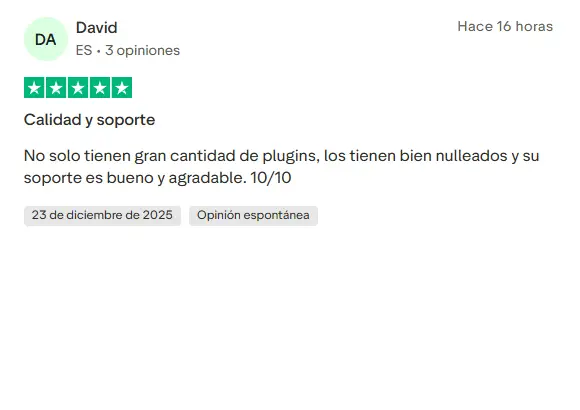
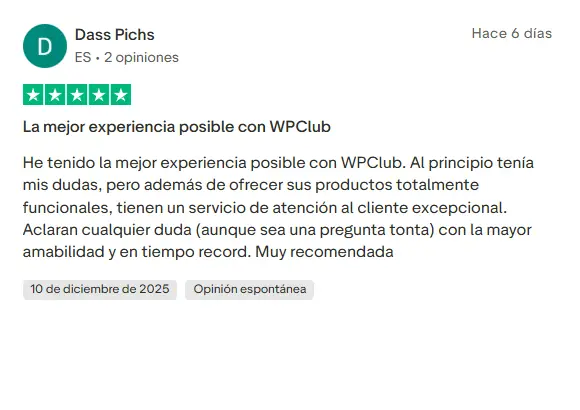
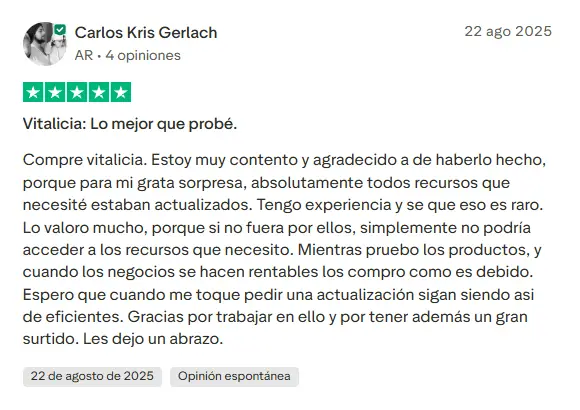
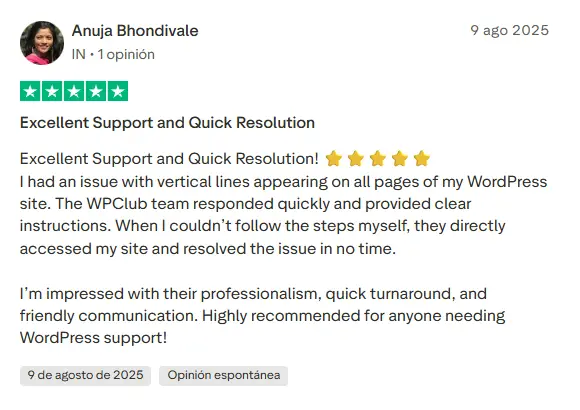
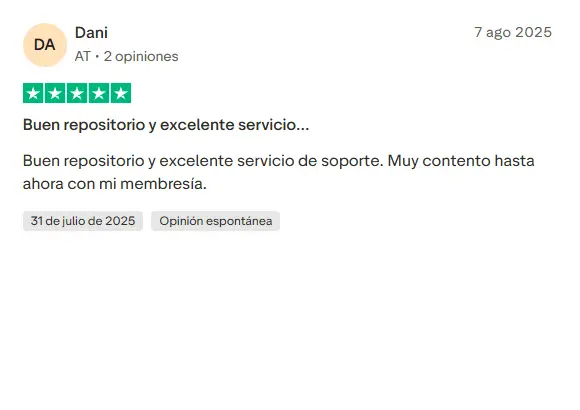
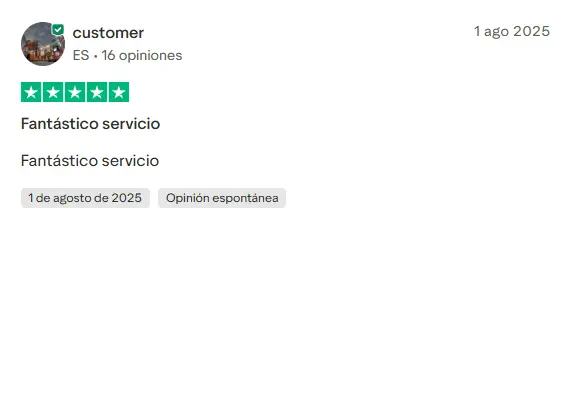
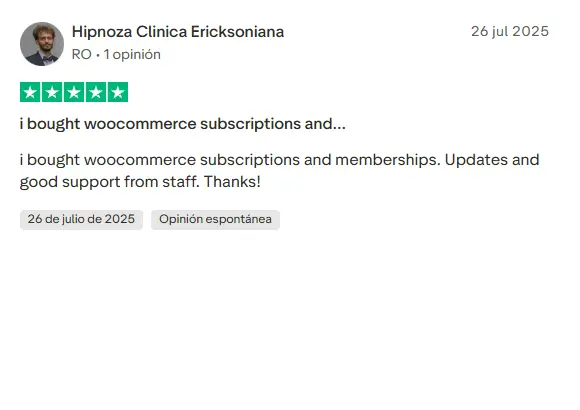
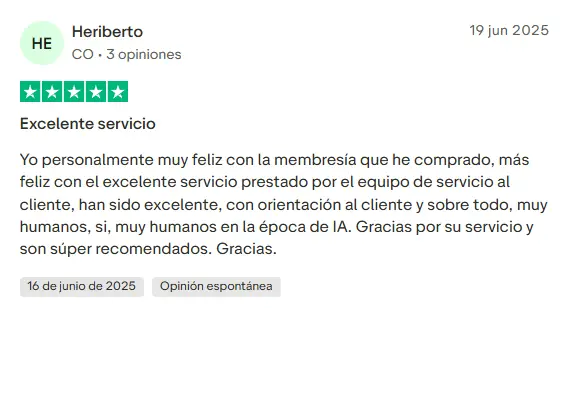
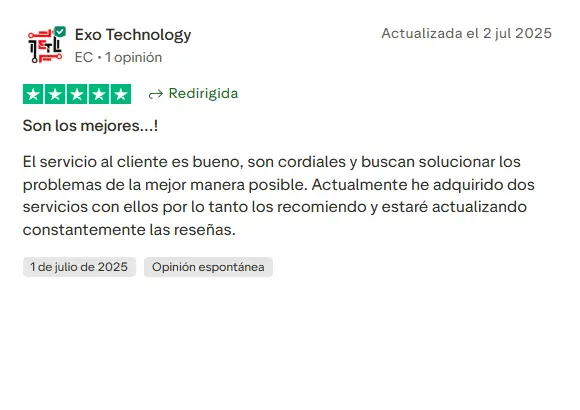
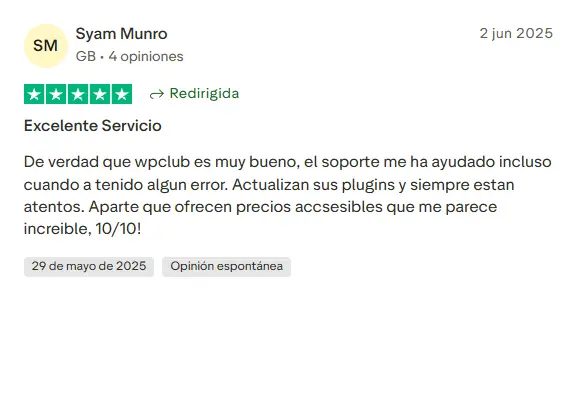
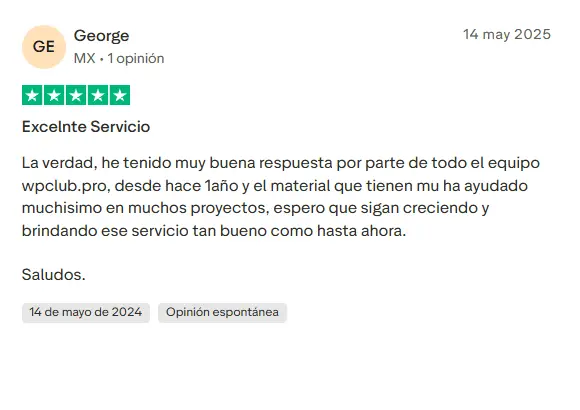
Our Reputation on Trustpilot
Many thanks to those who take the time to give us a review. Trustpilot. Each of your comments is very helpful. We strive to provide a rewarding experience for each member of our community, always with respect and love. We will be here!











WPClub Memberships
Access our entire catalog for a single payment. We offer three memberships: Monthly, Annual, and Lifetime (One-Time Payment).
- Save thousands of dollars
- No daily download limits
- No recurring payments
- Fast Downloads by AWS
- Quality service and support, validated since 2018
- We work with love for our community