
LoginWP Pro 4.0.8.7



- Secure Payment
- Support from Monday to Friday
- With you since 2018
$49.00 El precio original era: $49.00.$5.99El precio actual es: $5.99.
Quick summary
LoginWP is a specialized WordPress extension focused on complete control over what happens immediately after a user logs in or out. It allows you to define custom redirects based on user role, specific user, or profile type, preventing everyone from always ending up on the same generic dashboard. It's especially useful for projects with multiple user types, private areas, online academies, intranets, or stores with registered customers.
What problem does it help solve?
In WordPress, all logged-in users typically end up in the same place, regardless of their needs. This complicates the experience for sites with members, clients, students, or collaborators, because each user logs in and finds an area that is neither clear nor relevant to them. When you start noticing that users get lost after logging in, open too many menus, or ask, "Where do I go now?", the root cause is this initial lack of orientation after logging in.
In real-world projects, this translates to wasted time answering questions, errors when updating content, confused customers who can't find their orders, and students who miss their courses. On the other hand, if you manage an internal team and everyone ends up on the same desktop, unnecessary actions arise, access to sensitive areas increases, and there's a greater risk of someone accidentally changing settings they shouldn't. LoginWP focuses on that critical moment: deciding exactly where each user goes after entering their credentials.
Why this solution makes a difference
LoginWP transforms the login process into a guided experience instead of a blind leap into the standard WordPress dashboard. Instead of everyone ending up on the generic dashboard, you can direct each person to the section they actually need: the order form, the courses area, an internal resources page, a specific form, or even a custom site view.
In day-to-day operations, this means fewer orientation questions, fewer unnecessary clicks, and less risk of navigation errors. If you've ever had a client log in, not understand anything about the dashboard, and end up breaking something while trying things out, you'll see the difference when they're automatically directed to a simple, clear page designed for their role. For your own work, it also helps to better organize internal workflows: editor profiles go directly to content creation, order managers go to purchase management, and non-technical users never see the admin dashboard.
Signs you need this product
- Problem already present on the site: Users who log in and end up contacting us via email or chat asking "where do I see my orders?", "where is the course?", or "how do I upload content?".
- Friction in WordPress or WooCommerce: Customers who access their account and cannot immediately find their purchase history, downloads, or invoices, leading to abandonment or complaints.
- Loss of control or time: Contributors or writers who enter the general panel navigate through settings they shouldn't touch, and you end up constantly checking that nothing has been misadjusted.
- Typical growth scenario: The project goes from having one or two administrators to having multiple roles (clients, students, editors, affiliates) and it becomes critical to organize who sees what right after login and also after logging out.
When does it make sense to use it (and when doesn't)
LoginWP provides real value when your website evolves from a simple personal blog or static corporate page to one with users who have accounts: recurring clients, a private community, students, internal team members, or any profile that logs in with a username and password. In this context, controlling redirects after login and logout prevents confusion and improves the user experience from the very first click within the private area.
This is also especially useful when managing different types of user profiles with different objectives. For example, in an online academy, students should be able to go directly to their course dashboard; in a store, customers need to see their account and orders; on an intranet, employees should be able to find internal resources as soon as they log in. This is particularly relevant when you want each role to have a clear user path and not rely on remembering menus or complex navigation within WordPress.
LoginWP isn't necessary if your site only has one or two experienced WordPress administrators and no one else logs in. It's also not a priority if there's no private area, no restricted content, and no post-login processes. In very small projects, where all users are intimately familiar with the dashboard and always perform the same actions manually, the advantage of customizing redirects is minimal.
Who it fits best for
- Online store owners: People who manage WooCommerce with registered customers and need them to be able to immediately see their orders, billing information, or digital downloads after logging in, without going through the administration panel.
- Those responsible for academies and memberships: Projects with student, subscriber or member areas that require taking each user to their panel of courses, lessons or exclusive content once they enter their credentials.
- Internal teams and agencies: Sites that have writers, editors, clients who review progress or profiles with limited permissions, where it is convenient for each one to arrive at the exact place where they should work, without seeing menus or irrelevant screens.
Practical benefits
- Real operational improvement: Each person logs in and goes directly to the appropriate section, reducing intermediate steps and preventing them from having to remember routes within the panel.
- Clearer user experience: Users are not faced with a confusing desktop, but with the page they expect to see, which reduces the feeling of clutter and increases the perception of professionalism.
- Control and organization: You can define different destinations by role or by specific user, allowing you to tailor the experience according to responsibilities, permissions, and needs without mixing routes.
- Time saving: Fewer internal support inquiries, fewer screenshots explaining "click here after logging in," and fewer interventions to guide each new member.
- Error reduction: Fewer users accessing the global panel reduces the likelihood of accidental changes to settings, deletion of content, or unwanted modifications to the site structure.
How it fits within WordPress
LoginWP integrates seamlessly into the natural WordPress login flow: the user enters their credentials, the system validates them, and then your configured redirection logic kicks in. Instead of using the default behavior, you can define specific routes based on the user profile, user, or even a set of conditions related to each account type.
When working with WordPress, this allows you to clearly separate two things: authentication (verifying that the user is who they claim to be) and orientation (deciding where to take them next). In projects with private areas, this distinction is key. If you've ever had a user log in but end up on a page that has nothing to do with what they expected, you'll see that LoginWP's role is precisely to correct that transition and make it consistent with the function of each user profile within the site.
Typical use cases
- Real-world use in ecommerce: In a store with customer accounts, after logging in from "My Account", the person lands directly on their order history, preventing them from seeing the WordPress dashboard or having to search for additional menus.
- Case study in online academy: Students who log in with their username are directed to a page where they can see active courses, progress, and upcoming lessons, instead of arriving at a technical panel they don't understand.
- Situation where it provides direct value: In a corporate intranet, each employee logs in and appears on an internal page with links to company documents, manuals, and announcements, while administrators maintain full access to the classic desktop.
Frequently Asked Questions about LoginWP
What types of redirects can I control with LoginWP?
LoginWP lets you set up custom routes right after a user logs in or out. You can define global destinations for all users, adjust redirects based on their role (e.g., client, editor, author), or even create specific rules for particular user profiles that require differentiated treatment. This way, each person enters the appropriate area without having to navigate through the generic WordPress dashboard.
In what cases is it especially useful in a WordPress store?
In an e-commerce environment, LoginWP is especially valuable when you want your customers to see their relevant information directly after logging in. For example, you can direct them to their order page, a digital product download section, or a private support area. This reduces the confusion that users typically experience when logging into the default WordPress dashboard and not knowing where to find their purchases or billing information.
Can I use LoginWP to separate the client and publisher experience?
Yes, LoginWP is ideal when you need clients and collaborators to experience different journeys from the same login form. You can direct clients to their account area or a private front page, while editors arrive at the posts dashboard or the content section they need to manage. This prevents clients from seeing internal menus and allows the content team to access their assigned tasks directly.
What happens if I add new user roles later?
When you add new user profiles to your site, such as affiliates, tutors, or distributors, LoginWP lets you create specific redirect rules for each one. You simply define which page you want each new role to be directed to after logging in. This keeps your structure organized as your project grows, without needing to redesign the entire initial login flow every time you add a different user type.
Does it make sense to use LoginWP on a simple corporate website?
On a basic corporate website, where only one or two experienced administrators log in and there's no private client area, LoginWP doesn't offer a significant change. In those cases, the standard WordPress behavior may suffice. The need arises when you start managing different profiles, members, or clients who aren't familiar with the dashboard and need to access a clear and simple section immediately after logging in.
Conclusion
LoginWP focuses on a very specific point in the WordPress flow that impacts your users' experience: the moment immediately after logging in and logging out. By precisely controlling this transition, you reduce friction, prevent non-technical users from encountering the generic dashboard, and guide each person to the area they actually need. In projects with multiple user types, this initial organization makes all the difference between confusing access and a clear journey from the very first click.
Latest update:

Written by: WPClub
With over seven years of experience curating, managing, and distributing GPL products, our content is based on hands-on experience, technical review, testing, and feedback from thousands of users. We aim to democratize and simplify the WordPress world so you can choose with confidence, speed, and ease.
Your Individual Purchase Includes:
- Lifetime updates.*
- Official product, ready to use.
- Immediate access to the product.
- Clean and virus-free files.
- GNU GPL V2/V3 License
- Technical support in Spanish and English.
* In the case of memberships, the period during which you will receive updates will depend on the type of membership purchased: monthly, annual, or lifetime.
Notify Update
We update products Monday through Friday. However, if the product you see is not yet updated, you can notify us so we can prioritize updating it whenever possible.
Get your questions answered here
Here you'll find answers to frequently asked questions about our service: how it works, what it includes, and how to get the most out of it.
On how many websites can I use the products?
You can use any product from our store on any website you want.
Will I get updates?
Absolutely. If you buy an individual product, you'll get lifetime updates for that product.
On the other hand, if you purchase a membership, you will receive updates until your membership expires.
What if I have a problem?
First of all, we want you to know that you can count on us. We will assist you and provide the necessary support, so you can rest assured.
On the other hand, it is important for you to know that, given the time difference between countries, your time and ours may not be the same, so we will be delayed accordingly.
Our opening hours start at 9 AM from Monday to Friday, UTC -3. We are open until around 6 PM.
Do they provide technical support?
Yes, and regarding the time, it is usually on average within 24 to 48 business hours.
However, there are times when we have already provided an answer and solution in less than a day, depending on the case.
Are there download limits?
No. We don't believe in that format, so you can download as many times as you want. No problem. We pay for high-quality professional storage precisely to avoid problems.
Do they provide license keys?
No. Giving out the keys is not a viable option, as we have had experiences where they end up circulating everywhere and we can even lose the associated accounts.
That said, all products are original and, in cases where a license key is required to function, we will take care of pre-activating them for you.
Does my purchase include an invoice?
Yes. After payment, you will be able to access your invoice immediately in the "Purchases" section of your user account.
That is why it is important that you properly complete the information requested at the time of payment.
Is there a warranty?
Yes, of course. If there's a problem we can't resolve, or if there's an external issue that doesn't have a general solution, you'll receive support and, if necessary, a full refund. We have a 14-day refund policy from the date of purchase.
- It should be noted that there is no warranty if the product works well and it simply wasn't what you wanted.
There have been instances where someone buys a product, the product works perfectly, but they don't like it and want a refund, keeping the product. That's not right.
However, everything is evaluable and reasonable. Let's use judgment together.
What are the opening hours?
Our opening hours are:
- Monday to Friday, from 9 a.m. to 6 p.m.
- Saturday and Sunday: No service.
UTC -3 time
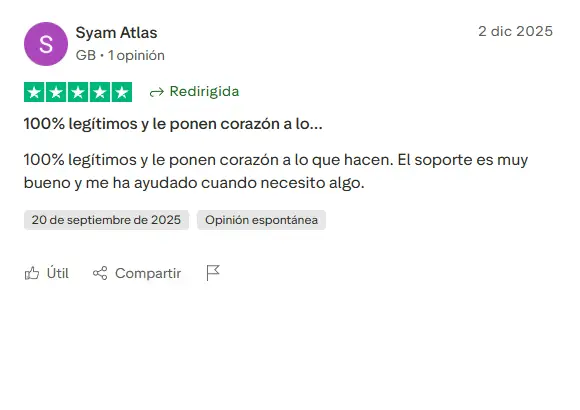
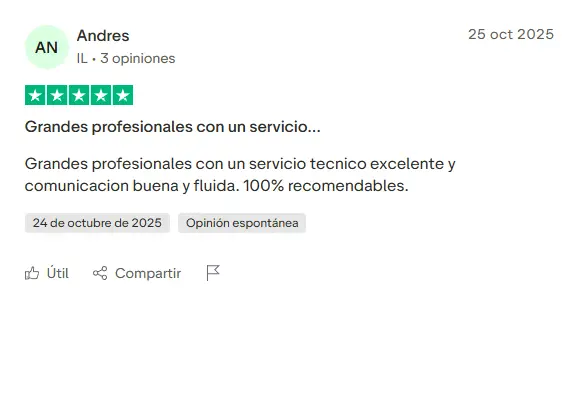
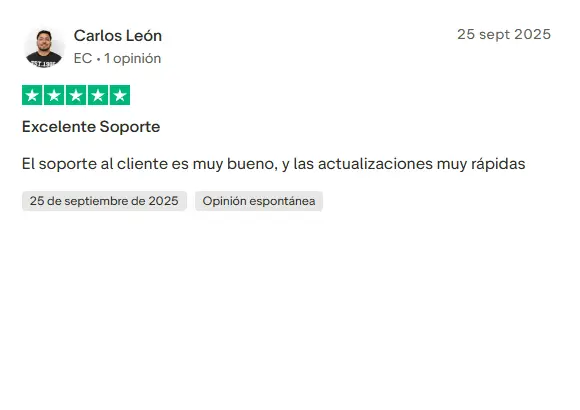
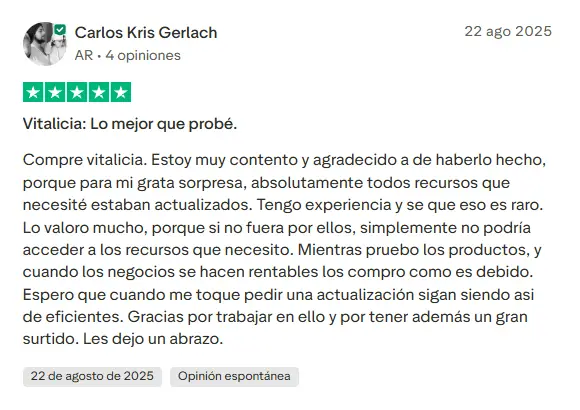
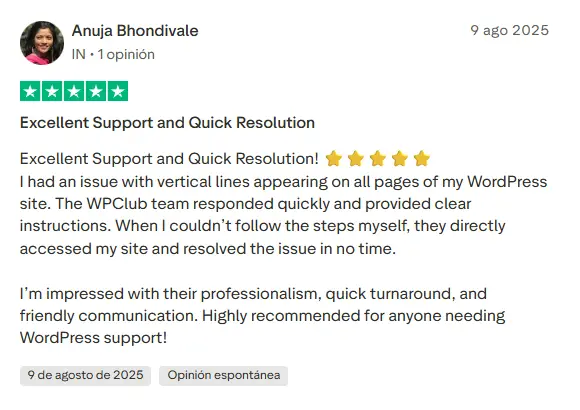
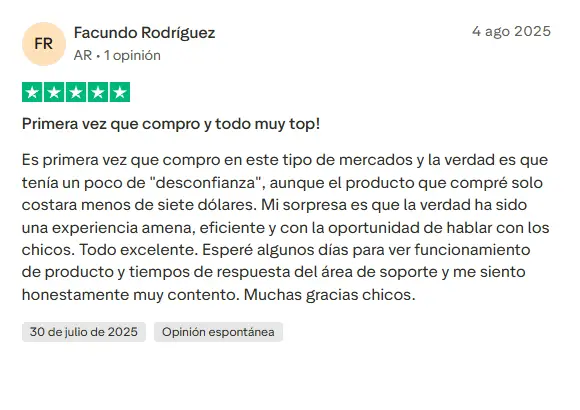
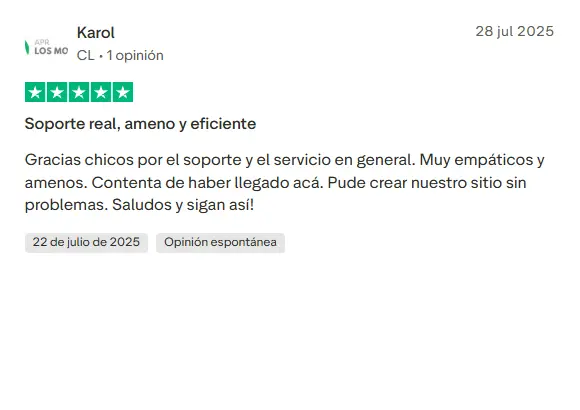
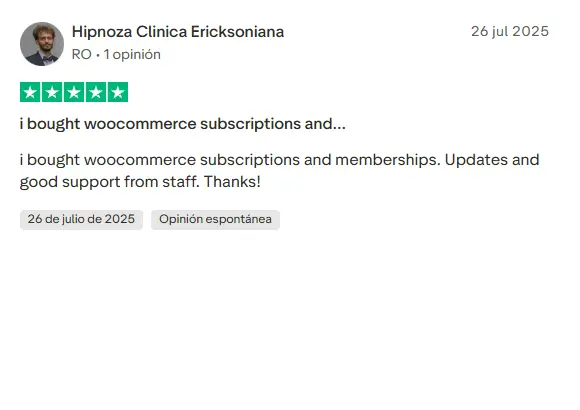
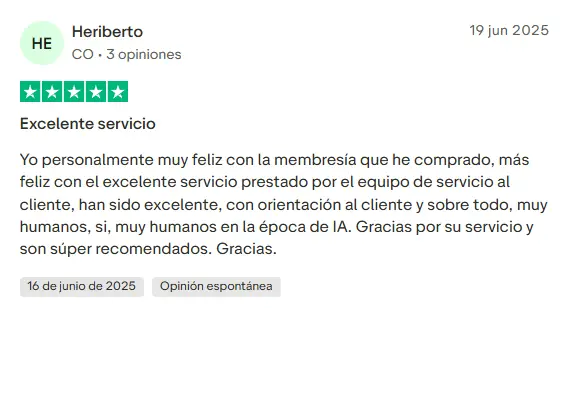
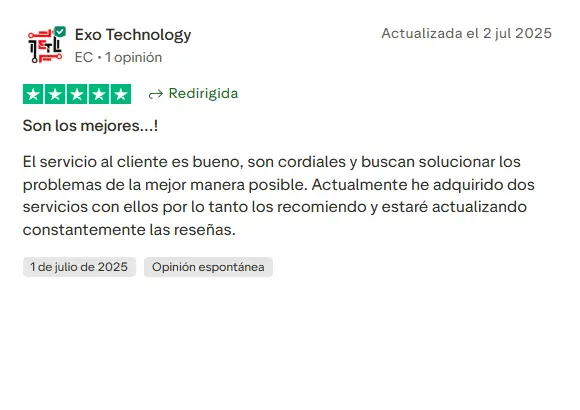
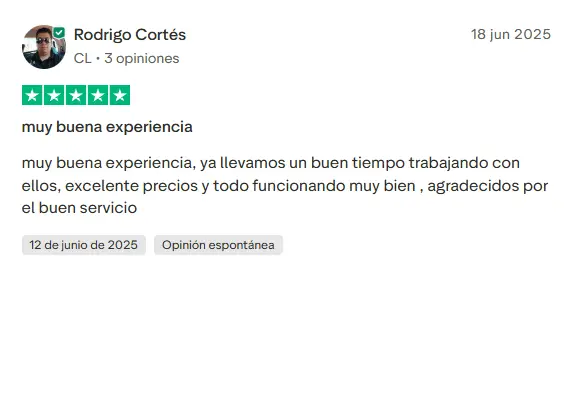
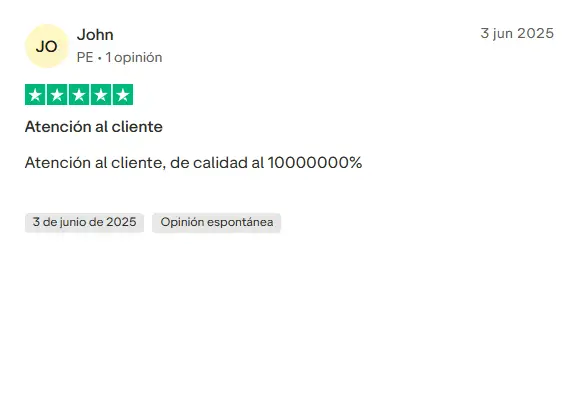
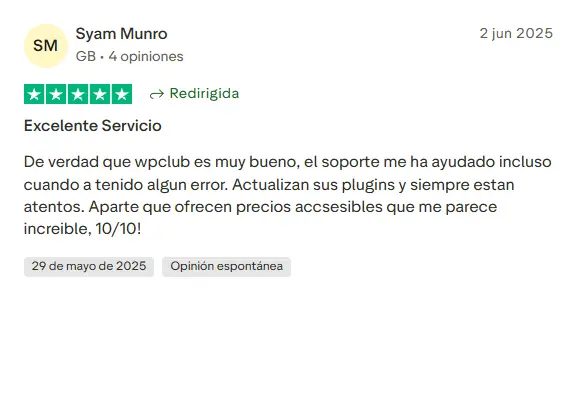
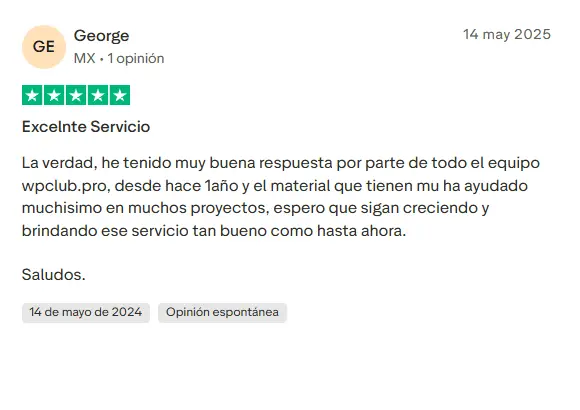
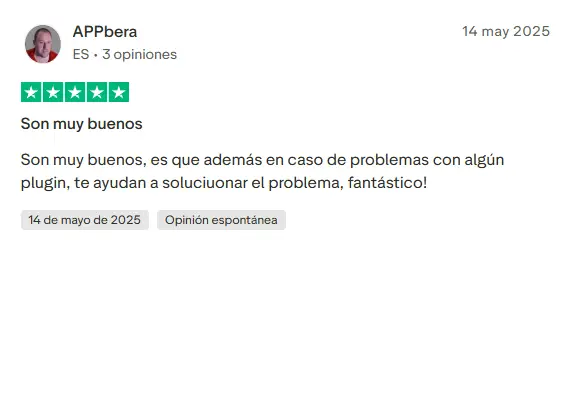
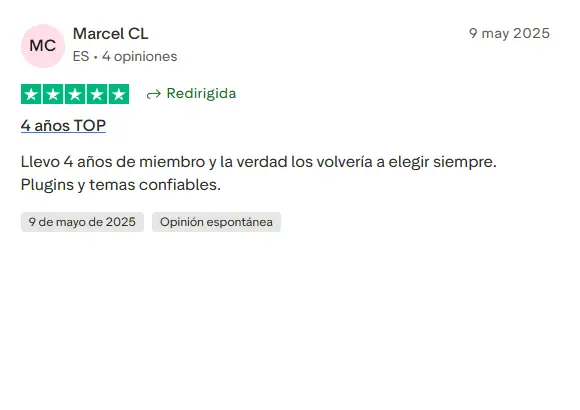
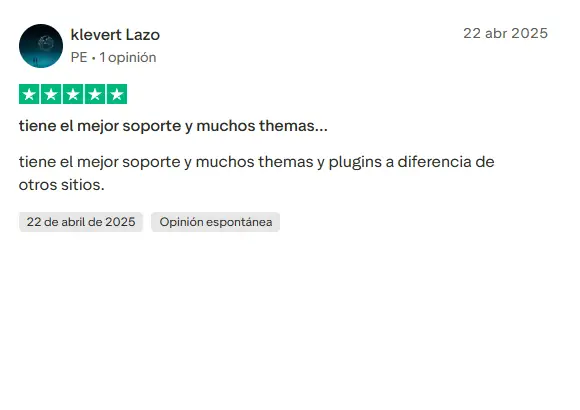
Our Reputation on Trustpilot
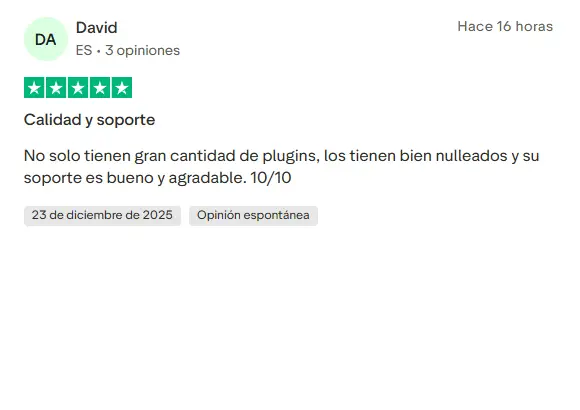
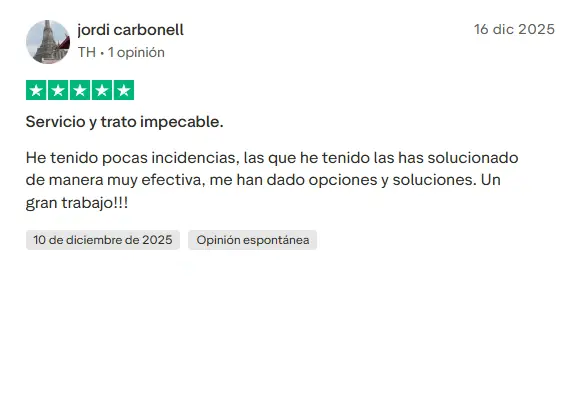
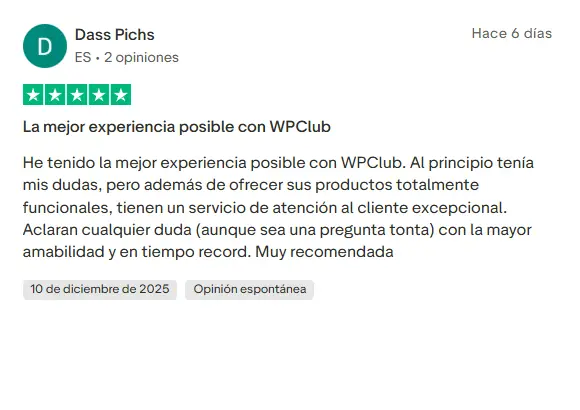
Many thanks to those who take the time to give us a rating on Trustpilot. Each and every one of your comments is very helpful to us. We strive to provide a rewarding experience for every member of our community, always with respect and care. We'll be here!
WPClub Memberships
Access our entire catalog for a single payment. We offer three memberships: Monthly, Annual, and Lifetime (One-Time Payment).
- Save thousands of dollars
- Unlimited daily downloads
- No recurring payments
- Fast downloads by AWS
- Quality service and support, validated since 2018
- We work with love for our community