
WooCommerce Google Merchant XML 1.11.15



- Secure Payment
- Support from Monday to Friday
- With you since 2018
$39.00 El precio original era: $39.00.$6.99El precio actual es: $6.99.
Quick summary
WooCommerce Google Merchant XML is an extension designed to create and maintain an optimized XML feed of your WooCommerce products specifically for Google Merchant Center. It's intended for stores that want to appear on Google Shopping with consistent, up-to-date, and structured data. If you manage your catalog in WordPress and need Google to receive reliable information on prices, stock levels, and variations without manual processes, this tool addresses that critical need.
What problem does it help solve?
The real challenge arises when your WooCommerce store starts to grow and you need Google to accurately understand each product: title, price, availability, attributes, and categories. Without a well-constructed XML feed, Google Merchant Center rejects items, displays price matching errors, or simply fails to publish parts of your catalog. This results in limited campaigns, disapproved ads, and time spent manually trying to reconcile data in spreadsheets.
When you start noticing that your approved products on Google Shopping don't match what's on your website, that some disappear without explanation, or that every price change requires updating external files, the problem is already there. In real-world WooCommerce projects, maintaining manual feeds or relying on generic tools creates inconsistencies, especially when working with variations, custom attributes, or specific tax rules.
WooCommerce Google Merchant XML focuses on this: generating a structured feed directly from your WordPress store's data, without unnecessary intermediary layers. This way, your product database becomes the single source of truth, reducing rejections due to incomplete data, formatting errors, or poorly defined required fields for Google Merchant.
Why this solution makes a difference
In the day-to-day work of someone managing a store, what matters isn't having a "feed," but rather keeping it synchronized with the actual catalog. WooCommerce Google Merchant XML avoids duplicating work: changes you make in WooCommerce are reflected in the XML that Google Merchant queries, without any parallel processes. This reduces repetitive manual tasks and frees up time to review campaigns, not files.
If you've ever experienced Google displaying a different price than your website or marking an available product as "out of stock," you know the impact this has on sales and user trust. By directly aligning with your actual product catalog, this extension improves consistency between listings and product pages, minimizing discrepancies that lead to disapprovals, wasted clicks, and abandoned carts.
On the other hand, by focusing on Google Merchant Center, it doesn't try to cover all the comparison sites and formats on the market. This allows it to better align with Google's expected structure, with fields designed specifically for this environment. The practical result is a more stable flow between WooCommerce and Merchant Center, with fewer improvised adjustments and fewer surprises when you check the product diagnostics dashboard.
Signs you need this product
- Your Google Merchant account is showing constant rejections or warnings related to product data, and you don't know how to fix them from WooCommerce.
- You notice friction every time you want to launch or expand campaigns on Google Shopping because you have to manually export and adapt files.
- You start losing control of the time spent preparing, reviewing, and uploading the feed, instead of focusing on optimizing titles, bids, and targeting.
- Your ecommerce business is growing in the number of products or variations, and the current method for feeding Google Merchant is no longer scalable or manageable.
When does it make sense to use it (and when doesn't)
WooCommerce Google Merchant XML makes sense when your goal is to work seriously with Google Shopping and you need your WooCommerce catalog to feed Google Merchant Center in an organized way. It provides real value when you manage a large enough number of products that manually updating the feed is impractical, or when you want to reduce structural errors that lead to disapprovals and loss of visibility.
It's also useful when your catalog changes frequently: price modifications, stock variations, and the constant addition of new items. In this context, automating XML generation allows you to keep listings and product pages aligned without having to review each change individually in an external file.
However, this plugin isn't necessary if you have a very small store with few static products and no intention of advertising on Google Shopping. It also doesn't make much difference if you already use an external system that centralizes inventory across multiple platforms and generates a specific feed for Google with the correct structure. In those cases, XML management is already handled elsewhere, and adding an extra layer doesn't add any value.
Who it fits best for
- WooCommerce store owners who manage their own catalog and campaigns, and want a direct and clear link between WordPress and Google Merchant to better control which products are published.
- Expanding ecommerce projects that go from a few references to a large catalog need the information sent to Google to grow at the same rate without incorporating additional manual processes.
- Marketing professionals and agencies working with WordPress require a stable way to feed Google Shopping from WooCommerce, avoiding the need to constantly correct faulty feeds before launching campaigns.
Practical benefits
- Real operational improvement: the XML feed is built from the WooCommerce catalog, minimizing duplication of work and manual product exports.
- User experience: The process of maintaining your product listings on Google Shopping becomes part of your normal product management workflow, rather than an isolated task with external files.
- Control and organization: You have a clear source of data for Google Merchant, based on the fields you already use in your store, with a structure geared towards the requirements of the advertising platform.
- Time savings: By eliminating intermediate steps, manual reviews, and data reformatting, the time spent on the feed is reduced, and you can dedicate it to optimizing campaigns, descriptions, or images.
- Error reduction: consistent XML generation from WooCommerce limits inconsistencies in prices, stock, or identifiers that directly affect product approval in Google Merchant.
How it fits within WordPress
Within the WordPress ecosystem, WooCommerce Google Merchant XML acts as a specific link between your store and the Google Shopping advertising environment. It doesn't replace WooCommerce or change how you manage products; instead, it leverages the information you already maintain in WordPress to structure it into an XML feed suitable for Merchant Center.
In this context, it integrates seamlessly into your daily routine: you create, edit, or unpublish products in WooCommerce, and the generated XML reflects these changes, maintaining a more direct relationship between your actual catalog and the inventory available for campaigns. This way, your WordPress dashboard remains the central hub for managing your business, while Google receives an organized and up-to-date view of your inventory through the feed.
Typical use cases
- Online stores that launch stable campaigns on Google Shopping and need their WooCommerce product catalog to always be synchronized with Merchant Center without manual exports.
- An ecommerce site that works with multiple variations per product —sizes, colors, formats— and requires that these combinations appear correctly broken down in the XML to make better use of inventory in ads.
- Situation where it provides direct value: a project that goes from one-off campaigns to a continuous presence on Google Shopping and needs to eliminate rejections due to incomplete, inconsistent or poorly structured data in its feed.
Frequently Asked Questions about WooCommerce Google Merchant XML
What type of information about my products is included in the feed generated for Google Merchant?
WooCommerce Google Merchant XML leverages the data you already manage in your store to build the feed: titles, descriptions, prices, availability, and other relevant product fields. The goal is to present this information in a structured way so that Google Merchant can interpret it and approve items without formatting errors. This allows you to stay focused on WooCommerce, knowing that what you configure there will form the basis of the XML that Google Shopping queries.
What's the difference between this and manually creating a product file for Google Shopping?
Creating a manual file involves exporting products to a spreadsheet, adjusting columns to Google's required format, and updating it every time prices or stock change. WooCommerce Google Merchant XML eliminates this parallel process by pulling information directly from WordPress. This reduces repetitive work, prevents discrepancies between the listing and the store, and improves traceability by ensuring your WooCommerce catalog is always the primary reference.
How does it help if I manage a catalog with many price and stock changes?
When you're dealing with frequent promotions, inventory fluctuations, or price adjustments, maintaining a static file for Google Merchant becomes impractical. WooCommerce Google Merchant XML is designed for dynamic scenarios, where your store is the central source of information. Every change you make in WooCommerce is reflected in the XML feed, reducing the risk of displaying outdated prices on Google Shopping and minimizing rejections due to discrepancies between the ad and the landing page.
Is it useful if I only have a few products but want to get started with Google Shopping?
If your catalog is very small and rarely changes, you can start with a manually configured file, especially if you don't plan to expand it in the short term. WooCommerce Google Merchant XML provides more value when the number of items grows or when you manage frequent changes. In that scenario, automating the feed from WooCommerce allows you to scale without multiplying tasks and maintain a more consistent workflow with Google Merchant as your product range expands.
What exactly does it focus on, and what does it not intend to replace within the marketing ecosystem?
WooCommerce Google Merchant XML focuses on one very specific function: generating an XML feed of WooCommerce products designed for Google Merchant Center. It doesn't manage campaigns, bids, or targeting, nor does it replace ad optimization platforms. Its role is to provide an organized flow of data from your catalog to the Google Shopping environment. Once the feed is set up and in use, you can manage marketing strategies directly from Google's advertising tools or other platforms you use.
Conclusion
WooCommerce Google Merchant XML exists to solve a very specific problem: bringing your WooCommerce catalog data to Google Merchant Center in a structured and consistent way, avoiding manual feeds and recurring errors. If your store relies on Google Shopping to attract qualified traffic, having a well-constructed XML file makes a direct difference in the number of approved products, the stability of your campaigns, and the time you spend on technical aspects versus business strategy.
Latest update:

Written by: WPClub
With over seven years of experience curating, managing, and distributing GPL products, our content is based on hands-on experience, technical review, testing, and feedback from thousands of users. We aim to democratize and simplify the WordPress world so you can choose with confidence, speed, and ease.
Your Individual Purchase Includes:
- Lifetime updates.*
- Official product, ready to use.
- Immediate access to the product.
- Clean and virus-free files.
- GNU GPL V2/V3 License
- Technical support in Spanish and English.
* In the case of memberships, the period during which you will receive updates will depend on the type of membership purchased: monthly, annual, or lifetime.
Notify Update
We update products Monday through Friday. However, if the product you see is not yet updated, you can notify us so we can prioritize updating it whenever possible.
Get your questions answered here
Here you'll find answers to frequently asked questions about our service: how it works, what it includes, and how to get the most out of it.
On how many websites can I use the products?
You can use any product from our store on any website you want.
Will I get updates?
Absolutely. If you buy an individual product, you'll get lifetime updates for that product.
On the other hand, if you purchase a membership, you will receive updates until your membership expires.
What if I have a problem?
First of all, we want you to know that you can count on us. We will assist you and provide the necessary support, so you can rest assured.
On the other hand, it is important for you to know that, given the time difference between countries, your time and ours may not be the same, so we will be delayed accordingly.
Our opening hours start at 9 AM from Monday to Friday, UTC -3. We are open until around 6 PM.
Do they provide technical support?
Yes, and regarding the time, it is usually on average within 24 to 48 business hours.
However, there are times when we have already provided an answer and solution in less than a day, depending on the case.
Are there download limits?
No. We don't believe in that format, so you can download as many times as you want. No problem. We pay for high-quality professional storage precisely to avoid problems.
Do they provide license keys?
No. Giving out the keys is not a viable option, as we have had experiences where they end up circulating everywhere and we can even lose the associated accounts.
That said, all products are original and, in cases where a license key is required to function, we will take care of pre-activating them for you.
Does my purchase include an invoice?
Yes. After payment, you will be able to access your invoice immediately in the "Purchases" section of your user account.
That is why it is important that you properly complete the information requested at the time of payment.
Is there a warranty?
Yes, of course. If there's a problem we can't resolve, or if there's an external issue that doesn't have a general solution, you'll receive support and, if necessary, a full refund. We have a 14-day refund policy from the date of purchase.
- It should be noted that there is no warranty if the product works well and it simply wasn't what you wanted.
There have been instances where someone buys a product, the product works perfectly, but they don't like it and want a refund, keeping the product. That's not right.
However, everything is evaluable and reasonable. Let's use judgment together.
What are the opening hours?
Our opening hours are:
- Monday to Friday, from 9 a.m. to 6 p.m.
- Saturday and Sunday: No service.
UTC -3 time

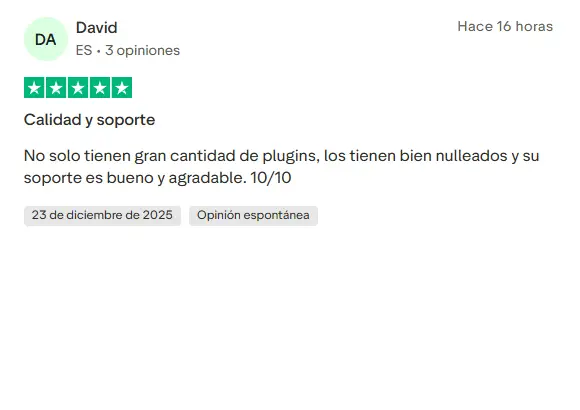
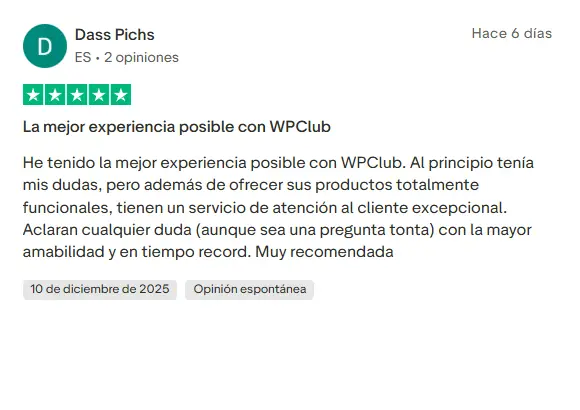
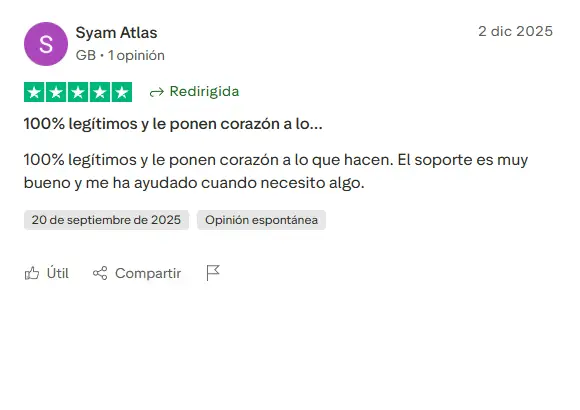
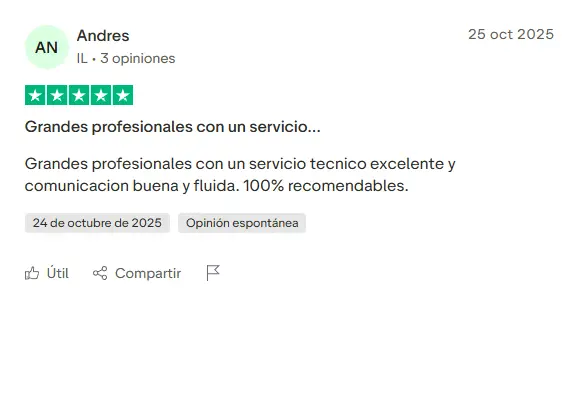
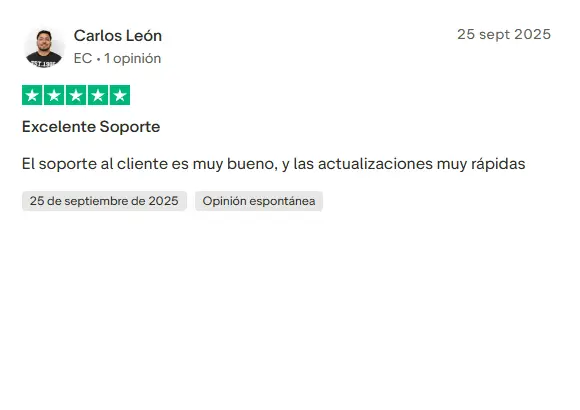
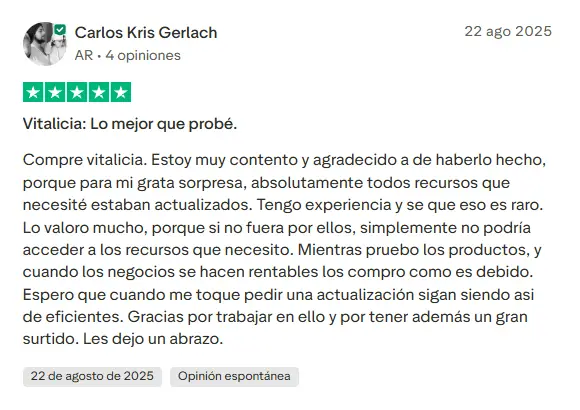
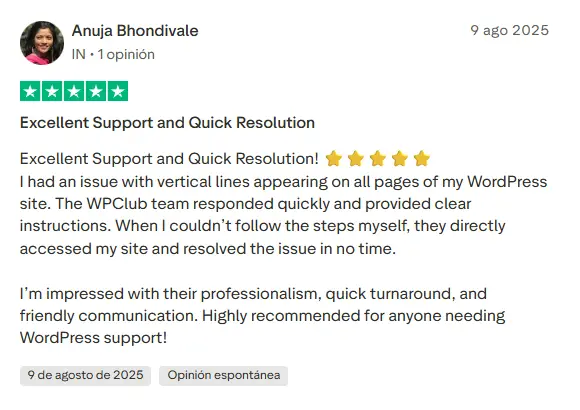
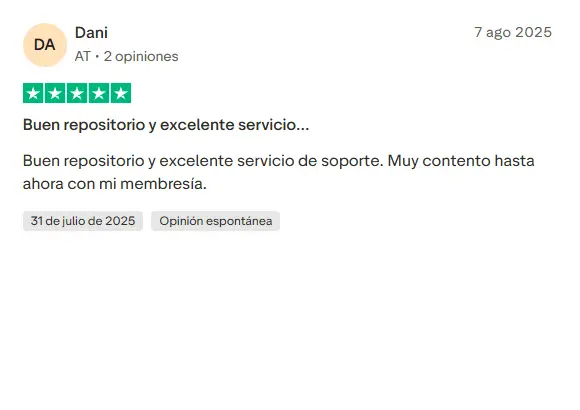
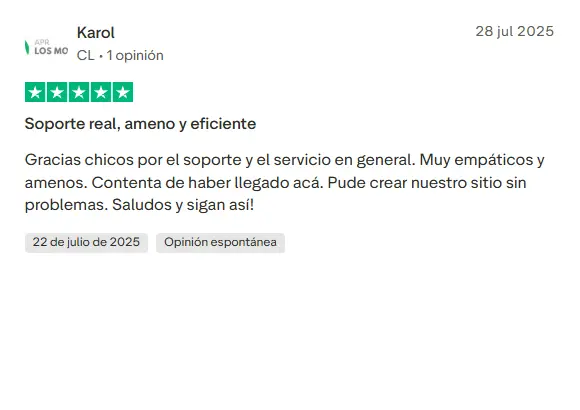
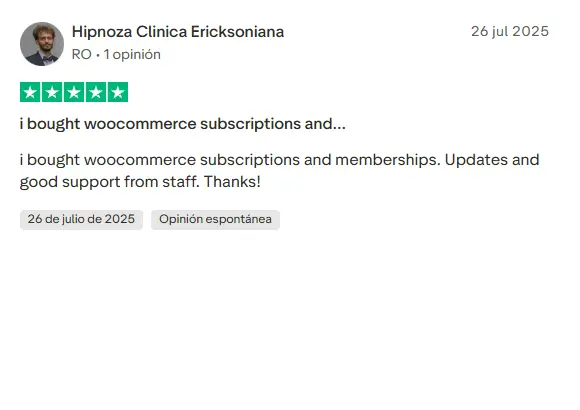
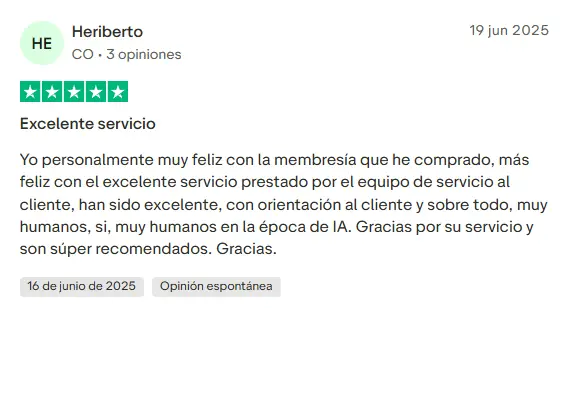
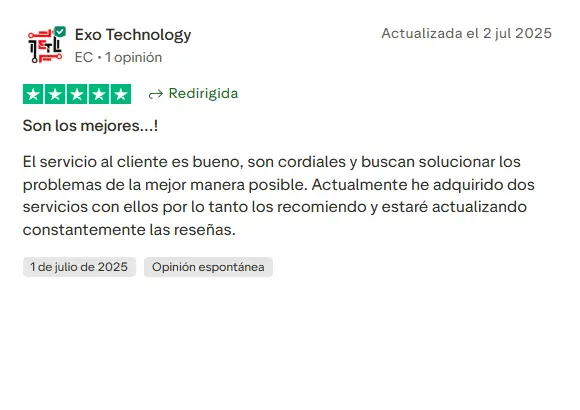
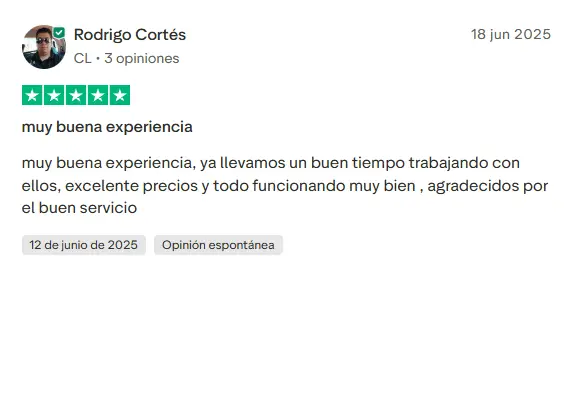
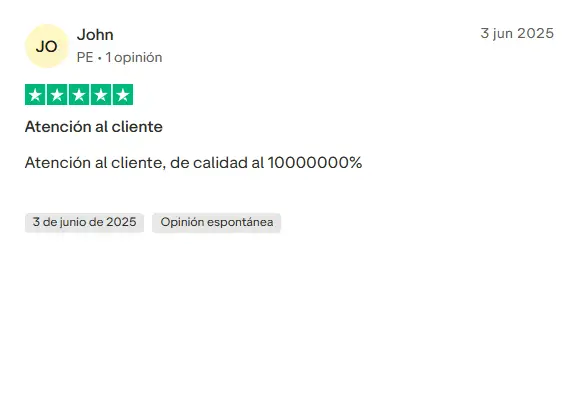
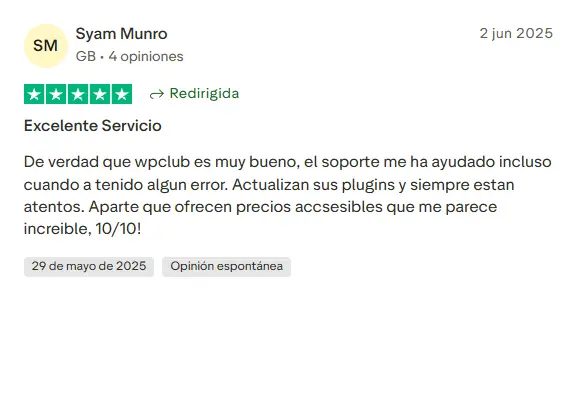
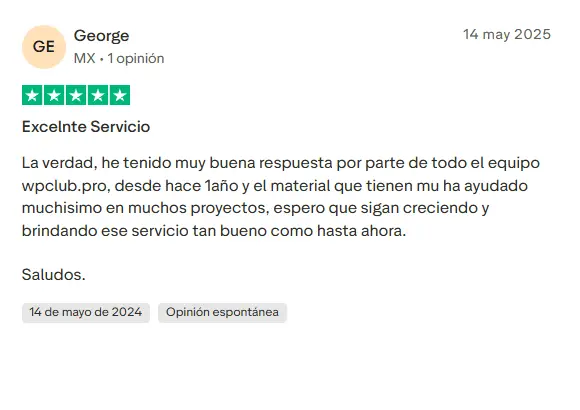
Our Reputation on Trustpilot
Many thanks to those who take the time to give us a rating on Trustpilot. Each and every one of your comments is very helpful to us. We strive to provide a rewarding experience for every member of our community, always with respect and care. We'll be here!





WPClub Memberships
Access our entire catalog for a single payment. We offer three memberships: Monthly, Annual, and Lifetime (One-Time Payment).
- Save thousands of dollars
- Unlimited daily downloads
- No recurring payments
- Fast downloads by AWS
- Quality service and support, validated since 2018
- We work with love for our community