
Next Bricks (Brickscore) 2.3.1



- Secure Payment
- Support from Monday to Friday
- With you since 2018
$129.00 El precio original era: $129.00.$6.99El precio actual es: $6.99.
Quick summary
Next Bricks is a Bricks Builder extension that integrates Brickscore directly into your design workflow. It's designed for those who build websites with Bricks and want to know, in real time, which block, section, or layout is slowing down performance. If you've ever experienced slow site loading times and didn't know what to adjust, Next Bricks transforms those uncertainties into clear, actionable indicators.
What problem does it help solve?
When working with Bricks Builder, it's very easy to end up with bloated templates: too many columns, unnecessary visual effects, complex queries, or duplicate structures. Everything "looks fine," but the site starts to get slower and slower. PageSpeed metrics drop, CLS spikes, and load times increase, but within the builder, it's not clear which part of the mockup is causing the problem.
When you start noticing that your Core Web Vitals aren't improving despite optimizing images, caching, or CDN, it's usually because the underlying layout isn't optimized. In that context, manually reviewing each section individually is unrealistic, especially if you're managing multiple projects or complex mockups. Bricks needs a way to identify which elements are negatively impacting performance scores without relying solely on external reports.
Why this solution makes a difference
Next Bricks adds an extra layer of analysis directly to your work in Bricks Builder, using Brickscore metrics as a benchmark. Instead of switching to your browser, running a test, interpreting the report, and returning to the editor, the evaluation is integrated into the structure you're already building. This reduces switching between tools and saves time on subsequent adjustments.
In real-world projects, this translates into clearer decisions: you know which sections to simplify, where to remove superfluous elements, and which designs to keep because they don't negatively impact performance. The editing experience is more organized, with less trial and error. If you've ever created a spectacular landing page only to have it suffer, this integration helps you balance design and speed from the very beginning.
Signs you need this product
- You've built several pages with Bricks and your performance scores are dropping without any apparent cause at first glance.
- You notice friction while working because you have to constantly go from Bricks to PageSpeed or similar tools to validate every major change.
- You start to lose control of performance as the site grows: new templates, complex headers, dynamic sections, and increasingly heavy layouts.
- You manage growing projects (stores, membership sites, large blogs) where each new design must be carefully considered to avoid degrading Core Web Vitals.
When does it make sense to use it (and when doesn't)
Next Bricks makes sense when your workflow is already based on Bricks Builder and you want design decisions to have a measurable impact on performance. It adds value when you're looking to maintain a quality standard across all your layouts, with a constant Brickscore reference to guide you as you build. In this context, it prevents the project from spiraling out of control as you add templates, sections, and variations.
However, it's not necessary if you're just building a very small site with few pages and extremely simple structures, where basic speed tests already show optimal results without much effort. It also doesn't add value if you're not using Bricks Builder as your primary builder, since its purpose is tied to that specific way of structuring the site and incorporating the Brickscore metric during the design phase.
Who it fits best for
- Professionals who use Bricks Builder as their central layout environment and want to maintain performance standards across all their projects.
- Agencies that manage multiple sites with Bricks and need a clear internal standard so that different designers can maintain lightweight and consistent layouts.
- Business projects (stores, SaaS, B2B services) where loading speed and Core Web Vitals are part of the key objectives and are reviewed on a recurring basis.
Practical benefits
- Real operational improvement by reducing the time spent reviewing mock-ups by trial and error, relying on a specific Brickscore reference during the design.
- A clearer user experience within Bricks, with design decisions based on indicators and not just visual appearance or intuition.
- Greater control and organization of your site's performance, thanks to a more structured view of how each part of the layout impacts the score.
- Time savings by avoiding repeated cycles of “design → test in an external tool → readjust → repeat”.
- Reduction of structural errors that end up affecting key speed metrics, avoiding having to redo entire templates in advanced stages of the project.
How it fits within WordPress
Within the WordPress ecosystem, Next Bricks acts as a specialized complement to your Bricks Builder workflow. It doesn't replace caching, image optimization, or server configurations, but rather works at the source: the template you define with the builder. Instead of managing performance solely through external plugins, you incorporate a layer of criteria directly where sections, containers, and blocks are created.
This is especially useful if your routine already includes checking speed metrics after publishing designs. With Next Bricks, some of that analysis shifts to the creation stage, so your WordPress templates go live with a more performance-conscious approach. This allows other optimizations in the ecosystem to build on a solid foundation, rather than trying to compensate for resource-intensive layouts.
Typical use cases
- Online stores built with Bricks where each new product landing page or campaign must respect a performance threshold without slowing down conversion.
- A corporate site with several service templates and internal pages, where you want to ensure that the new section design does not degrade Brickscore compared to previous versions.
- Extensive content projects (blogs, academies, portals) where recurring layouts are created and you need constant guidance for editors and designers to maintain efficient structures.
Frequently Asked Questions about Next Bricks
How is Next Bricks different from using only external speed tests?
External tests analyze the final page output, but they don't clearly show you which specific part of your Bricks layout is causing the performance drop. Next Bricks connects the analysis to the very structure you're building. During the layout process, you can make decisions based directly on Brickscore, without relying on continuous external testing. This makes performance tuning a natural part of the design process, not a later, reactive fix.
Does it make sense to use Next Bricks if I've already optimized cache, images, and server?
Yes, because these optimizations work on the outcome of your design, not the layout structure. Next Bricks focuses on the foundation built with Bricks Builder: number of sections, visual complexity, and element arrangement. By combining both approaches, the mockup is lighter from the start, and caching and resource optimization tasks perform better. If your site is already highly refined but the design is still heavy, this structural approach becomes especially relevant.
Is Next Bricks useful for small or single-page projects?
It depends on the type of work you're doing. If it's a very simple page with little content and no advanced effects, you probably don't need this additional layer of analysis. However, on a large landing page with many sections, A/B design tests, or dynamic blocks, the impact on performance increases. In those cases, having a Brickscore reference integrated into the layout makes it easier to keep the page responsive while you experiment with different layouts.
How does Next Bricks help when I work with multiple designers on the same project?
When multiple designers build templates with Bricks, each may have different criteria for what "weighs" on performance. Next Bricks introduces an objective benchmark based on Brickscore for the entire team. This ensures that every new section, header, or template is evaluated using the same criteria. This reduces discrepancies, prevents team members from unknowingly creating resource-intensive layouts, and makes it easier to maintain a consistent quality standard across the site, regardless of who designs each part.
What kind of practical decisions can I make thanks to the information it provides?
The information provided by Next Bricks helps you decide whether to simplify a section, remove decorative effects, reduce columns, change complex layouts, or rearrange blocks that impact performance. In real-world projects, this translates into concrete lists of adjustments: which templates to review, which layouts to keep because they work well, and where to redo parts of the design before the site grows further. The focus shifts from fixing abstract problems to applying specific changes within Bricks.
Conclusion
Next Bricks exists for those who design with Bricks Builder and need performance to be a rarity at the end of a project. By integrating Brickscore into the layout workflow itself, it transforms design into a more controlled process, where every change is based on data, not just visual appearance. If your goal is to grow your page count without sacrificing speed, having this metric within the editor makes a tangible difference in your daily WordPress experience.
Latest update:

Written by: WPClub
With over seven years of experience curating, managing, and distributing GPL products, our content is based on hands-on experience, technical review, testing, and feedback from thousands of users. We aim to democratize and simplify the WordPress world so you can choose with confidence, speed, and ease.
Your Individual Purchase Includes:
- Lifetime updates.*
- Official product, ready to use.
- Immediate access to the product.
- Clean and virus-free files.
- GNU GPL V2/V3 License
- Technical support in Spanish and English.
* In the case of memberships, the period during which you will receive updates will depend on the type of membership purchased: monthly, annual, or lifetime.
Notify Update
We update products Monday through Friday. However, if the product you see is not yet updated, you can notify us so we can prioritize updating it whenever possible.
Get your questions answered here
Here you'll find answers to frequently asked questions about our service: how it works, what it includes, and how to get the most out of it.
On how many websites can I use the products?
You can use any product from our store on any website you want.
Will I get updates?
Absolutely. If you buy an individual product, you'll get lifetime updates for that product.
On the other hand, if you purchase a membership, you will receive updates until your membership expires.
What if I have a problem?
First of all, we want you to know that you can count on us. We will assist you and provide the necessary support, so you can rest assured.
On the other hand, it is important for you to know that, given the time difference between countries, your time and ours may not be the same, so we will be delayed accordingly.
Our opening hours start at 9 AM from Monday to Friday, UTC -3. We are open until around 6 PM.
Do they provide technical support?
Yes, and regarding the time, it is usually on average within 24 to 48 business hours.
However, there are times when we have already provided an answer and solution in less than a day, depending on the case.
Are there download limits?
No. We don't believe in that format, so you can download as many times as you want. No problem. We pay for high-quality professional storage precisely to avoid problems.
Do they provide license keys?
No. Giving out the keys is not a viable option, as we have had experiences where they end up circulating everywhere and we can even lose the associated accounts.
That said, all products are original and, in cases where a license key is required to function, we will take care of pre-activating them for you.
Does my purchase include an invoice?
Yes. After payment, you will be able to access your invoice immediately in the "Purchases" section of your user account.
That is why it is important that you properly complete the information requested at the time of payment.
Is there a warranty?
Yes, of course. If there's a problem we can't resolve, or if there's an external issue that doesn't have a general solution, you'll receive support and, if necessary, a full refund. We have a 14-day refund policy from the date of purchase.
- It should be noted that there is no warranty if the product works well and it simply wasn't what you wanted.
There have been instances where someone buys a product, the product works perfectly, but they don't like it and want a refund, keeping the product. That's not right.
However, everything is evaluable and reasonable. Let's use judgment together.
What are the opening hours?
Our opening hours are:
- Monday to Friday, from 9 a.m. to 6 p.m.
- Saturday and Sunday: No service.
UTC -3 time

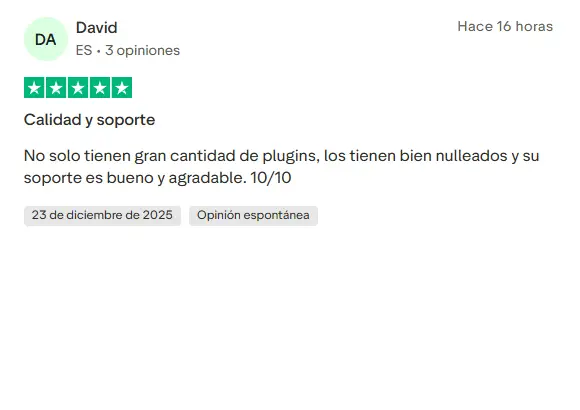
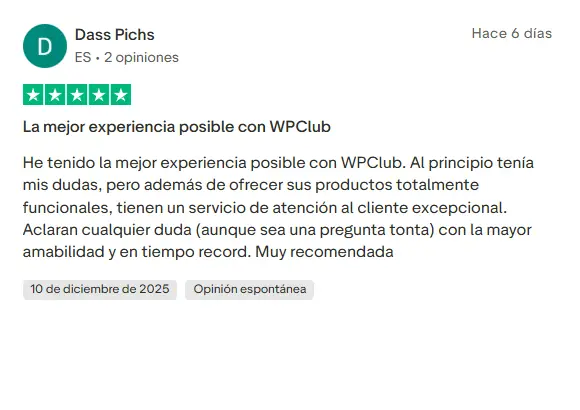
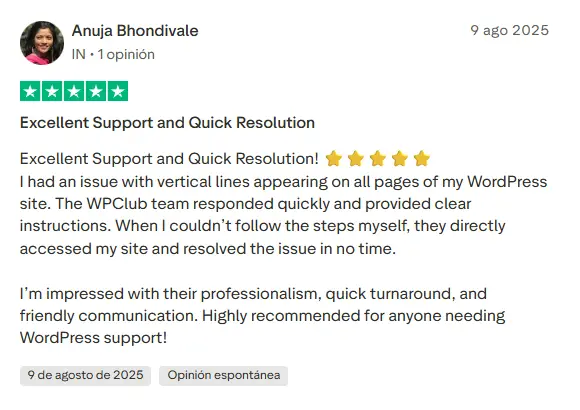
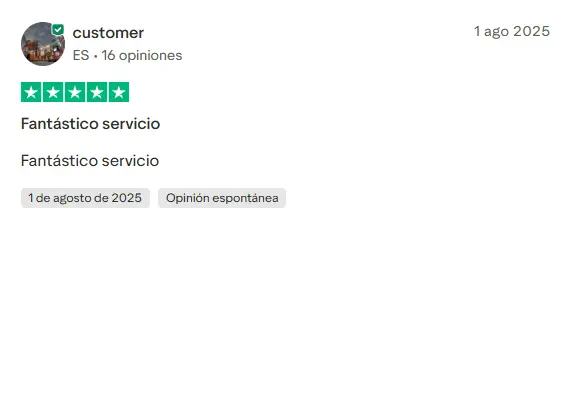
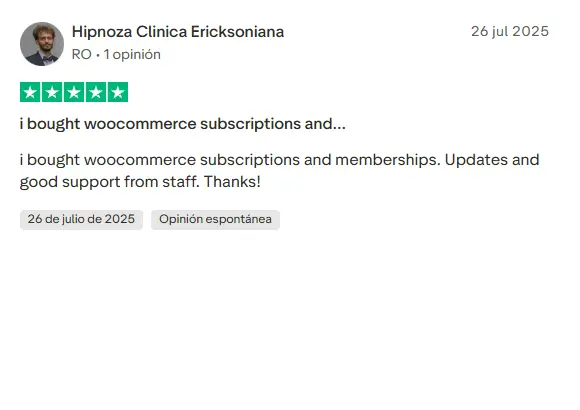
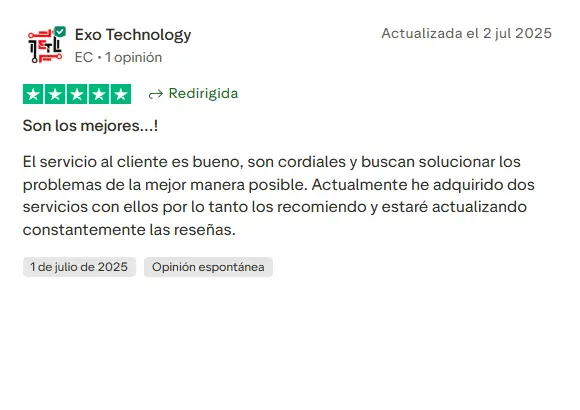
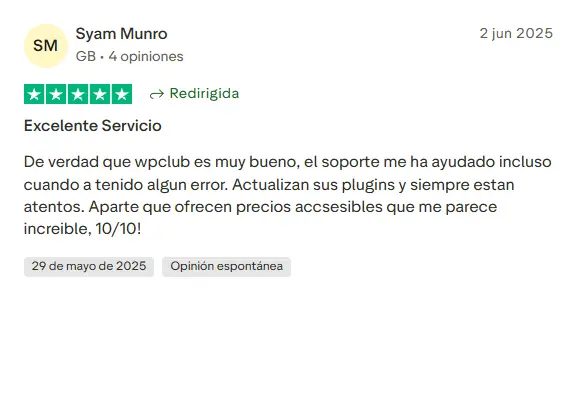
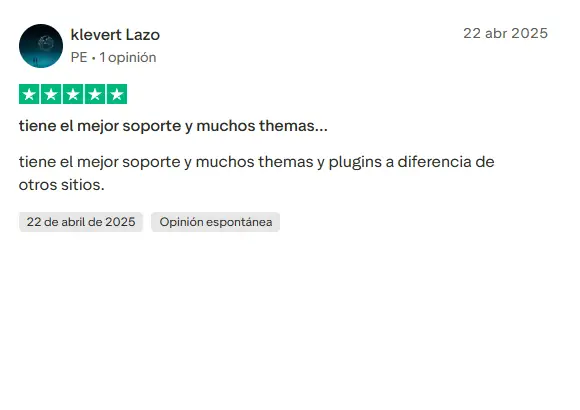
Our Reputation on Trustpilot
Many thanks to those who take the time to give us a rating on Trustpilot. Each and every one of your comments is very helpful to us. We strive to provide a rewarding experience for every member of our community, always with respect and care. We'll be here!














WPClub Memberships
Access our entire catalog for a single payment. We offer three memberships: Monthly, Annual, and Lifetime (One-Time Payment).
- Save thousands of dollars
- Unlimited daily downloads
- No recurring payments
- Fast downloads by AWS
- Quality service and support, validated since 2018
- We work with love for our community