

- Secure payment
- Spanish and English support
- With you since 2018
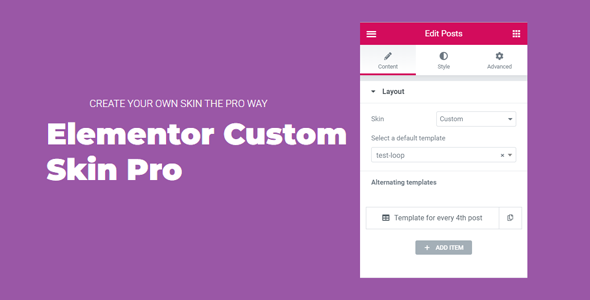
Elementor Custom Skin Pro 3.2.5
$149.00 El precio original era: $149.00.$5.99El precio actual es: $5.99.
Quick summary
Elementor Custom Skin is an Elementor extension focused on customizing the design of lists and archives created with the Loop widget or similar lists. It's designed for those who are already proficient with Elementor but feel limited by the default loop templates. It allows you to create fully customized grid, card, and list layouts, keeping content dynamic and consistent throughout your site without duplicating work or layouts.
What problem does it help solve?
When working with Elementor on real-world projects, frustration arises when you try to display custom posts, products, or listings, only to find they all end up looking the same rigid format. You adjust margins, columns, and styles, but the standard looping system doesn't allow you to control each card as you'd like. If you've ever experienced a simple design idea requiring you to redo entire sections or use many duplicate widgets, the problem lies in the lack of a flexible item template system.
This becomes most apparent in blogs, directories, course listings, or catalogs where each item needs a clear presentation: image, title, metadata, tags, buttons, and calls to action in very specific positions. Without a dedicated layer for the design of the listing item, you end up with repetitive structures that are difficult to maintain, where any change involves manually editing many sections and risks visual inconsistencies across different pages.
Why this solution makes a difference
Elementor Custom Skin introduces an intermediate layer: instead of accepting the standard loop card, it allows you to define your own visual composition for each listing item. In day-to-day projects, this translates to less time spent laying out sections that display dynamic content and more time focused on messaging and conversion. Each card's design becomes reusable and centralized, so any aesthetic adjustment is automatically replicated across all listings that use it.
On the other hand, visual control no longer relies on workarounds with duplicate columns or widgets. By having a dedicated template for the loop item, you reduce design errors, avoid subtle differences between pages, and achieve a more consistent user experience. When you start to notice that maintaining listings in different sections of the site consumes a significant portion of your time, having a system of specific skins for loops makes a clear difference in productivity and organization.
Signs you need this product
- Problem already present on the site: You have several lists of custom entries, products, or content that look different from each other because you had to design each one separately.
- Friction in WordPress or WooCommerce: Every time you change a design detail on product cards or posts, you need to edit multiple Elementor templates and manually check that everything is still aligned.
- Loss of control or time: Maintaining visual consistency across grids, sliders, and listings has become a repetitive and error-prone task, especially as the site grows in sections and content types.
- Typical growth scenario: The project has evolved from a simple website to a portal with an active blog, downloadable resources, service or course listings, and you need all those listings to share a well-defined card style, without having to redo the design each time.
When does it make sense to use it (and when doesn't)
Elementor Custom Skin offers clear value when working with Elementor on sites that rely on dynamic listings: blogs with many categories, online academies, directories, marketplaces, or corporate websites with multiple content areas. In this context, having dedicated visual templates for each item's card improves readability, information hierarchy, and the ability to test different structures without duplicating work.
When you start noticing that each new file, category, or content section involves repeated layout work, this extension becomes a direct way to save time and standardize the presentation. However, if your site only has a few static pages, without an active blog or listings of posts or products, this type of advanced customization isn't essential. On very small websites with one or two simple listings, Elementor itself is sufficient to handle the visual aspects.
Who it fits best for
- Specific user type: Designers and developers who create Elementor sites for multiple clients need fine control over the appearance of listings without constantly resorting to custom code.
- Project type: Professional blogs, online magazines, academies, resource portals, local directories, or service websites with sections of success stories, projects, or testimonials presented in a grid.
- Real professional scenario: Agencies and freelancers who manage multiple websites and require an organized way to define, adjust, and replicate item templates in dynamic loops, while maintaining consistent brand and design guidelines.
Practical benefits
- Real operational improvement: You reduce the number of duplicate templates and sections in Elementor because you centralize the design of each listing item into a single reusable layout.
- User experience: Visitors perceive a clearer and more uniform presentation of entries, products, or resources, with information consistently prioritized across all listings on the site.
- Control and organization: Each type of content has a well-defined card structure, which makes it easy to maintain design guidelines, typography, and spacing without improvisation.
- Time saving: By updating a single skin template, all loops that use it reflect the change, avoiding manual reviews across multiple pages and reducing rework.
- Error reduction: It reduces the likelihood of forgetting or mismatches between listings because the design is managed from a central point, instead of being replicated in isolation in each section.
How it fits within WordPress
Within the WordPress ecosystem, Elementor Custom Skin acts as a specialized layer on top of the visual building of lists that you already manage with Elementor. It doesn't replace the page builder, but rather extends how you define the appearance of each item in dynamic loops. Instead of relying solely on the settings of the archive or list widget, you move on to designing reusable item templates that integrate seamlessly with the rest of your template system for headers, footers, and pages.
In this context, its role fits into the typical workflow: you define the content type in WordPress, manage the overall structure in Elementor, and control the appearance of the listed items using specific skins. This aligns well with projects where the content architecture is clear, but the visual presentation of each card needs a greater level of detail to reinforce branding and conversion.
Typical use cases
- Real-world use in ecommerce or projects: Product catalogs where you want to highlight labels, special prices, or key benefits on each item's card without relying solely on the standard product file design.
- Specific case study: A marketing blog needs to display the category, reading time, author, and a call to read more in each grid, with a specific layout, maintaining that design identically on the home page, categories, and resource pages.
- Situation where it provides direct value: An online academy that presents courses, lessons, and downloadable resources in different listings, but requires a homogeneous and easily adjustable visual scheme to highlight key information in each type of content.
Frequently Asked Questions about Elementor Custom Skin
How does Elementor Custom Skin differ from using only the regular Elementor templates?
With Elementor's standard templates, you control entire pages, headers, or sections, but the design of each item in a loop is usually limited to what the archive or list widget offers. Elementor Custom Skin adds a specific layer for the loop's "item": it allows you to create your own layout for each piece of content and reuse it across different lists, maintaining a single design reference that's easy to update and manage.
When will I really start to notice the impact of using Elementor Custom Skin?
The impact becomes clear when you work with multiple content listings and need them to follow the same visual style. If you've ever changed the way your posts or products look and had to review each file, category, and related section individually, using Elementor Custom Skin eliminates that burden. You update the item template, and all connected listings adapt, reducing editing time and consistency errors.
Does this product replace the use of theme templates or Elementor for files and categories?
It doesn't replace archive or category templates, but rather complements them. Elementor templates still define the overall structure of the archive page: title, filters, pagination, and overall layout. Elementor Custom Skin focuses on the inner workings of the loop—that is, how each individual card appears within that structure. This allows you to combine a global archive layout with a highly customized design for each displayed element.
Is it useful if I only have a small blog with a few listings?
On a small blog with one or two basic lists, the benefit is more limited. The design adjustments Elementor offers in its archive widgets can suffice if you don't plan to expand sections or frequently change the presentation of your posts. Elementor Custom Skin makes more sense when there's a larger volume of content, different types of lists, and a clear need to maintain a consistent style without manually editing each section.
What types of design changes are most efficient using Elementor Custom Skin?
This is especially useful for modifying the card's internal structure: position of the featured image, placement of the title and summary, inclusion of metadata, additional buttons, or visual labels. Changes such as switching from a vertical card to a more horizontal layout, adding a top bar for the category, or reorganizing the information hierarchy are made only once in the skin template and are reflected in all listings that use it, without having to redesign each file individually.
Conclusion
Elementor Custom Skin is designed for those already working with Elementor who need precise control over how each item within their dynamic listings appears. It solves the problem of maintaining consistent and easily adjustable cards in projects with multiple sections and content types. By incorporating a dedicated layer for designing loop items, it simplifies maintenance, reduces visual errors, and ensures your listings' appearance evolves as your WordPress site grows.
Your individual purchase includes:
- Lifetime updates.*
- Product ready to use.
- Immediate access to the product.
- Clean and virus-free files.
- GNU GPL V2/V3 License
- Technical support in Spanish and English.
* In the case of memberships, the period during which you will receive updates will depend on the type of membership purchased: monthly, annual, or lifetime.
Get your questions answered here
Here you'll find answers to frequently asked questions about our service: how it works, what it includes, and how to get the most out of it.
On how many websites can I use the products?
You can use any product from our store on any website you want.
Will I get updates?
Absolutely. If you buy an individual product, you'll get lifetime updates for that product.
On the other hand, if you purchase a membership, you will receive updates until your membership expires.
What if I have a problem?
First of all, we want you to know that you can count on us. We will assist you and provide the necessary support, so you can rest assured.
On the other hand, it is important for you to know that, given the time difference between countries, your time and ours may not be the same, so we will be delayed accordingly.
Our opening hours start at 9 AM from Monday to Friday, UTC -3. We are open until around 6 PM.
Do they provide technical support?
Yes, and regarding the time, it is usually on average within 24 to 48 business hours.
However, there are times when we have already provided an answer and solution in less than a day, depending on the case.
Are there download limits?
No. We don't believe in that format, so you can download as many times as you want. No problem. We pay for high-quality professional storage precisely to avoid problems.
Do they provide license keys?
No. Giving out the keys is not a viable option, as we have had experiences where they end up circulating everywhere and we can even lose the associated accounts.
That said, all products are original and, in cases where a license key is required to function, we will take care of pre-activating them for you.
Does my purchase include an invoice?
Yes. After payment, you will be able to access your invoice immediately in the "Purchases" section of your user account.
That is why it is important that you properly complete the information requested at the time of payment.
Is there a warranty?
Yes, of course. If there's a problem we can't resolve, or if there's an external issue that doesn't have a general solution, you'll receive support and, if necessary, a full refund. We have a 14-day refund policy from the date of purchase.
- It should be noted that there is no warranty if the product works well and it simply wasn't what you wanted.
There have been instances where someone buys a product, the product works perfectly, but they don't like it and want a refund, keeping the product. That's not right.
However, everything is evaluable and reasonable. Let's use judgment together.
What are the opening hours?
Our opening hours are:
- Monday to Friday, from 9 a.m. to 6 p.m.
- Saturday and Sunday: No service.
UTC -3 time

Reviewed by the WPClub team
At WPClub, we carefully review each product before listing it. Our team evaluates its key features, compatibility, and performance to provide you with reliable, up-to-date, and helpful information when choosing and using each resource available in our store.
Download previous versions
If you have purchased this product, or have an active membership, you can download previous versions as we release them, without any limits or restrictions.
| Nombre del producto | Versión | Tamaño | Fecha | Descargar |
|---|---|---|---|---|
| No hay versiones anteriores registradas. | ||||

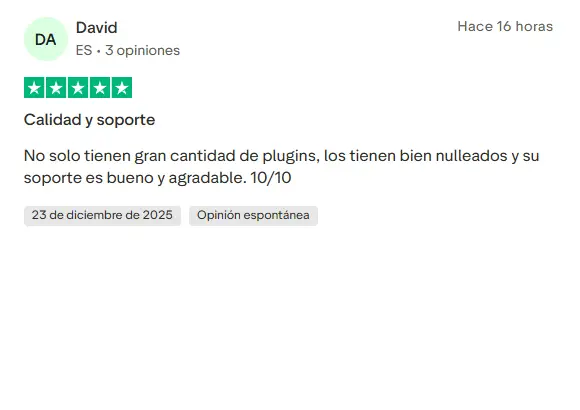
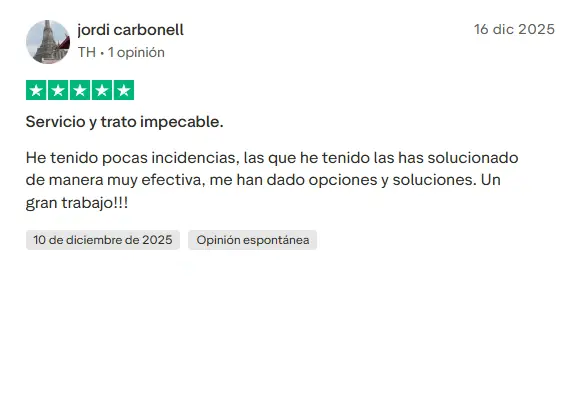
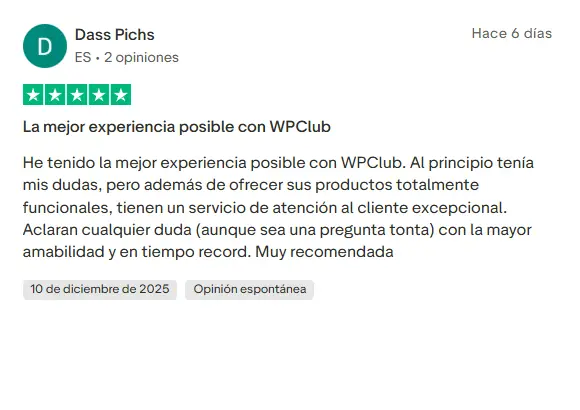
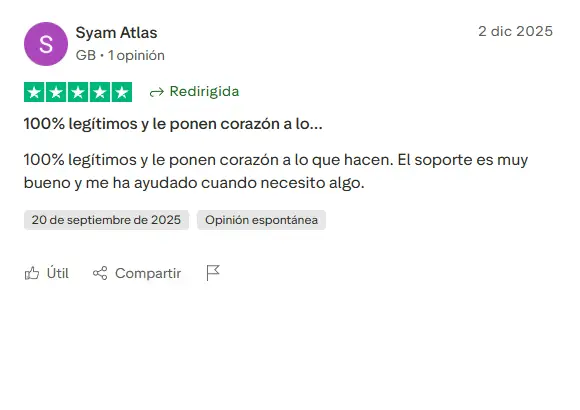
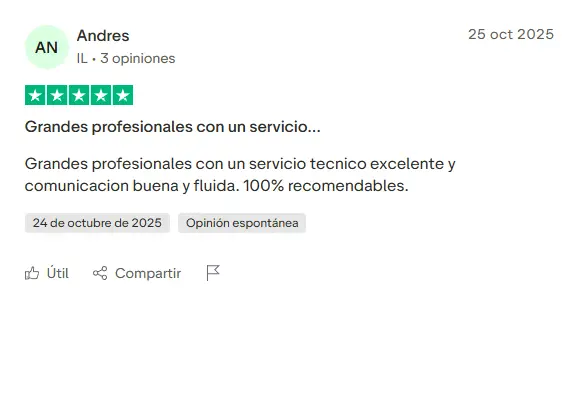
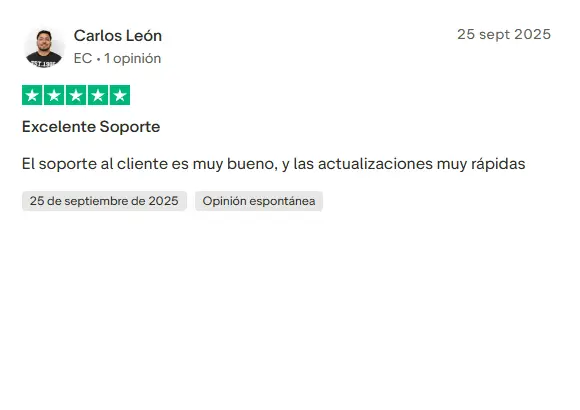
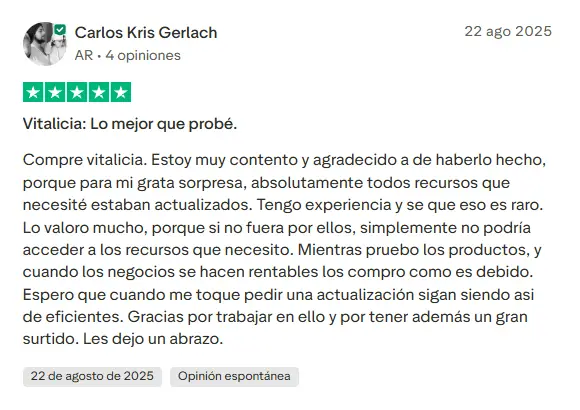
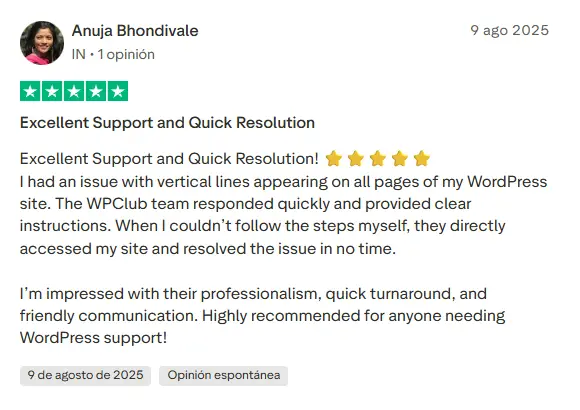
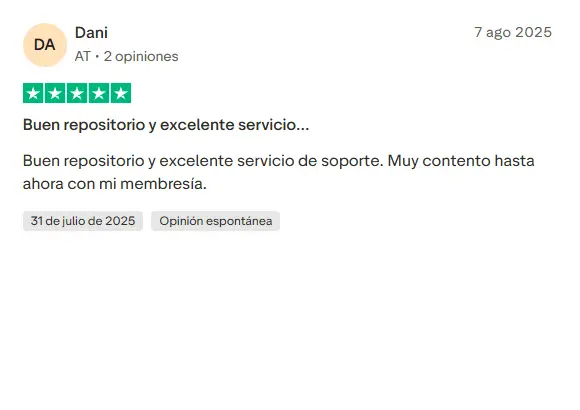
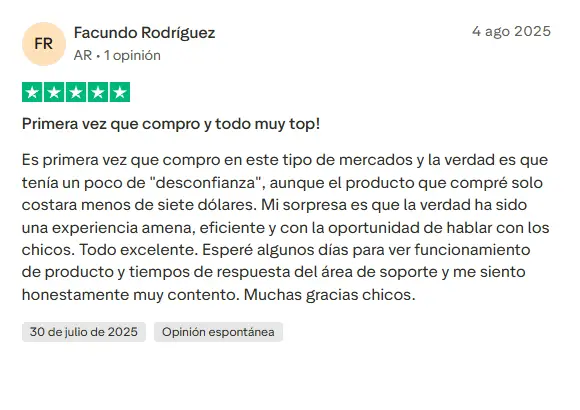
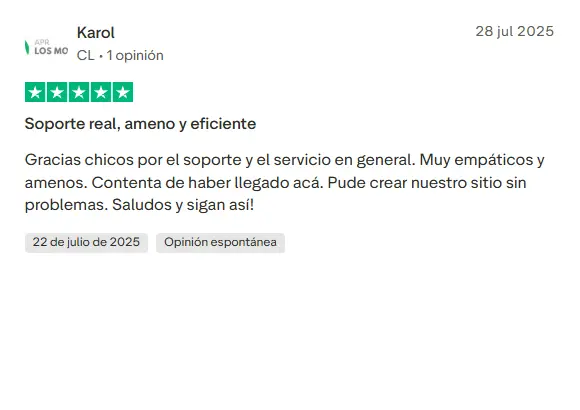
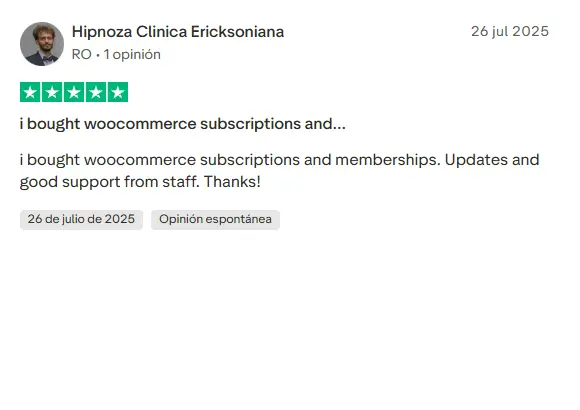
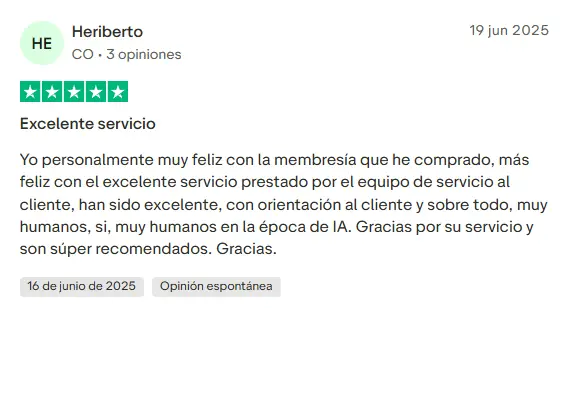
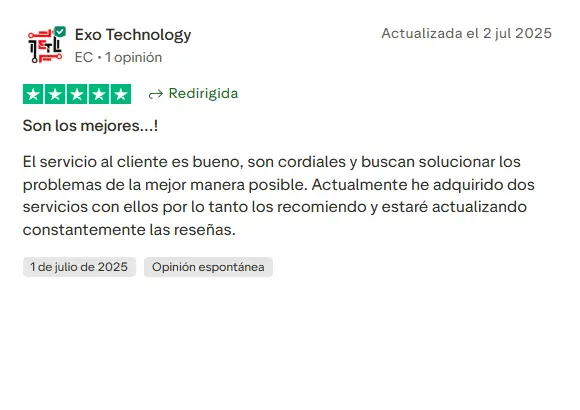
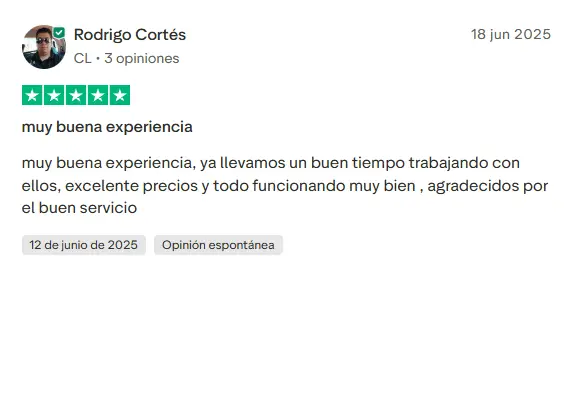
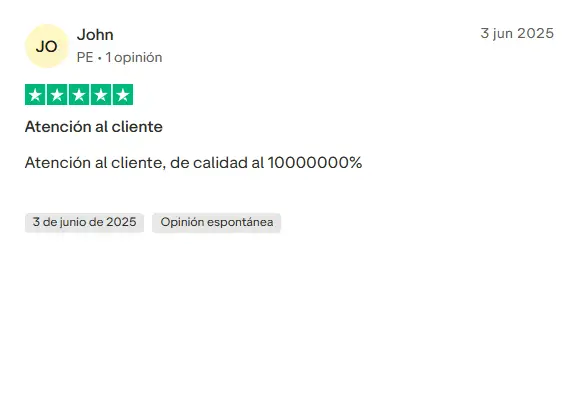
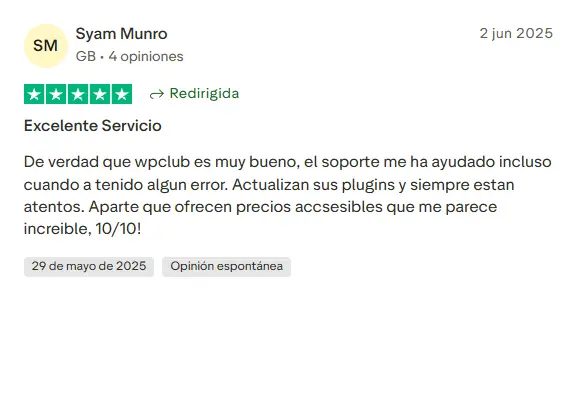
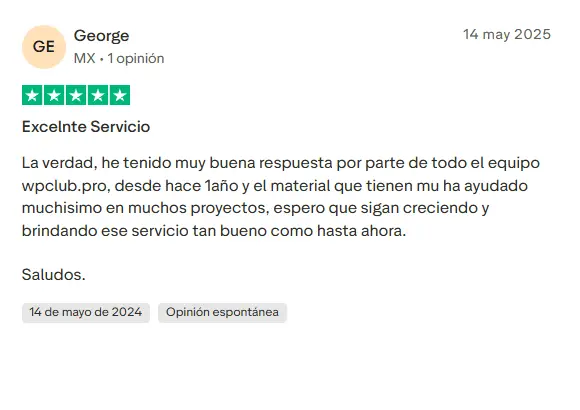
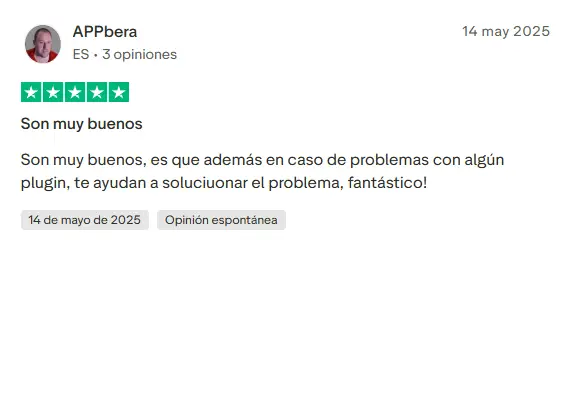
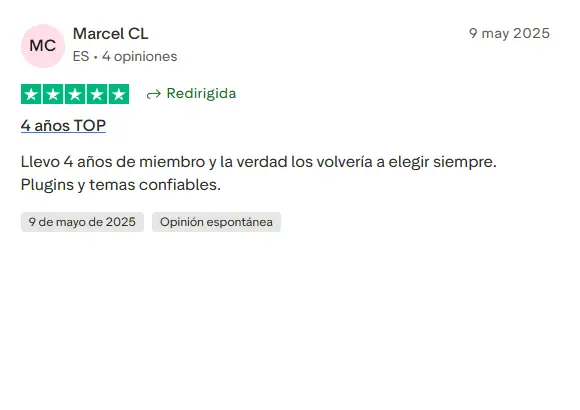
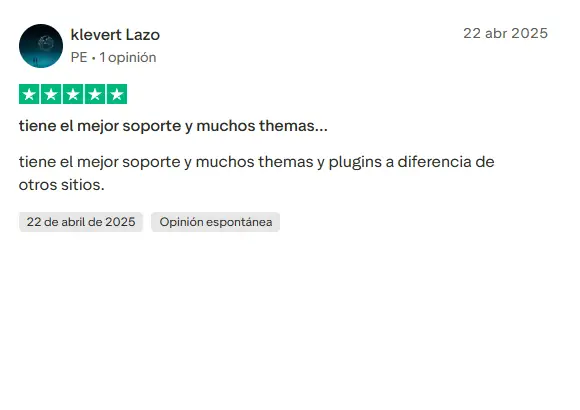
Our Reputation on Trustpilot
Many thanks to those who take the time to give us a rating on Trustpilot. Each and every one of your comments is very helpful to us. We strive to provide a rewarding experience for every member of our community, always with respect and care. We'll be here!
WPClub Memberships
Access our entire catalog for a single payment. We offer three memberships: Monthly, Annual, and Lifetime (One-Time Payment).
- Save thousands of dollars
- Unlimited daily downloads
- No recurring payments
- Fast downloads by AWS
- Quality service and support, validated since 2018
- We work with love for our community