


- Secure payment
- Spanish and English support
- With you since 2018
Gravity Forms Advanced Post Creation 1.6.1.1
$259.00 El precio original era: $259.00.$5.99El precio actual es: $5.99.
Quick summary
Gravity Forms Advanced Post Creation is an extension designed to automatically and controllably convert Gravity Forms submissions into posts, pages, or other types of content within WordPress. It solves the problem of having to manually copy and paste data when users submit information from the front end. It is especially useful for websites with user-generated content, directories, classifieds portals, communities, and projects where the form is the entry point for new content.
What problem does it help solve?
In many WordPress projects, content isn't created solely by the administrator. Users, clients, suppliers, or collaborators submit information through forms: article proposals, product descriptions, classified ads, directory listings, or even testimonials. Without a direct connection between these submissions and the WordPress publishing system, you end up doing the same work over and over: checking your email, opening the dashboard, copying fields, and manually creating each post.
When you start noticing that forms are generating dozens of emails a day and you're spending hours transferring data to the publications dashboard, the process becomes unsustainable. Each manual copy increases the risk of errors: misassigned fields, incorrect categories, confused authors, or information lost along the way. Furthermore, the workflow becomes fragmented: the form goes one way and the published content another, without a clear structure or traceability of which submission originated each publication.
If you've ever had a user request the publication of content submitted days ago, and you can't quickly find which form generated it or what its status is, the problem is already impacting service quality and internal organization. In this context, continuing to manually manage posts derived from forms becomes a bottleneck that hinders any attempt to scale the project.
Why this solution makes a difference
Gravity Forms Advanced Post Creation directly links Gravity Forms submissions to the WordPress posting system. Instead of using the form simply as a data collector, you transform it into the content creation hub, with clear rules about what content is generated, what type of post it is, which fields are filled in, and how it's organized within the site. The impact is noticeable from day one: fewer steps, fewer repetitive tasks, and a much more streamlined workflow.
In real-world projects, this means that a public form can create a controlled entry pending review, associate it with a specific author, assign categories and tags, populate custom fields, and leave the post ready for an editor to simply review and approve. Furthermore, it eliminates many common human errors when working from email: missing fields, data being transferred to the wrong place, or forgotten content being published.
The key difference is that you move from a manual, fragmented, and difficult-to-scale process to a concrete, repeatable, and traceable workflow, directly integrated into the WordPress core. Each form ceases to be just a means of contact and becomes a structured gateway to the site's content.
Signs you need this product
- You receive content through forms (articles, ads, fact sheets, resources) and end up manually creating each post or page from the WordPress dashboard.
- There is friction between what comes through Gravity Forms and what appears on the site: submissions are lost, some are posted late, and others are forgotten in the mail.
- You notice a constant waste of time copying and pasting form information into the WordPress editor, especially as the volume of submissions increases.
- Your project is growing and scenarios are emerging with users publishing content, member areas, marketplaces, directories or portals where the form is the source of the content.
When does it make sense to use it (and when doesn't)
Gravity Forms Advanced Post Creation makes sense when forms are the natural starting point for new content on your site. It's useful if you manage contributor submissions, user posts, announcements, articles submitted for review, business listings, or any type of input that needs to be recorded as a post, page, or custom post type. In that scenario, having a direct link between form submission and publication eliminates a significant amount of manual work.
It also adds value when you need to define specific fields that go to metadata or custom fields, when you want to automatically track status (draft, pending, published), or when assigning taxonomies and authors is part of the editorial workflow. This becomes relevant when the project starts to include external users who generate information and you want to maintain editorial control without sacrificing automation.
On the other hand, this plugin isn't necessary if you only use Gravity Forms for simple contact forms, basic subscriptions, or internal surveys that don't generate posts. If the information you receive doesn't need to be transformed into content within WordPress, or if you only manage one or two isolated submissions per month, adding an automatic post creation layer won't offer a clear advantage over the traditional manual process.
Who it fits best for
- Administrators and content managers who work with external writers, contributors, or communities and need a form-based editorial workflow.
- Directory projects, marketplaces, classifieds portals, classifieds websites or professional listings where each submission becomes a public profile.
- Agencies and developers who build custom sites with custom content types and want to connect Gravity Forms with the structured creation of that content.
Practical benefits
- Real operational improvement: You reduce intermediate steps between submitting the form and the content appearing on the panel, with clear and repeatable flows.
- User experience: Users who submit information perceive a more coherent and professional process; internally, the editorial team sees all content in the same place, ready for review.
- Control and organization: Each publication generated from a form retains its relationship to the submitted data, facilitating audits, reviews, and tracking of contributions.
- Time saving: You eliminate a large part of the manual field copying tasks, especially in long forms or those with many daily submissions.
- Error reduction: The assignment of fields, taxonomies, authors, and statuses is defined only once in the configuration and is consistently replicated in each new submission.
How it fits within WordPress
Gravity Forms Advanced Post Creation acts as a bridge between Gravity Forms and the native WordPress publishing system. In your daily workflow, the form ceases to be merely a data receiver and becomes the source of new posts, pages, or custom post types that are registered in the database with the same structure as content created from the dashboard.
When working with WordPress, this allows you to design forms specifically tailored to feed particular types of content, define which form fields populate the title, content, excerpts, or metadata, and decide the status of those posts upon creation. From there, you can continue using all the usual dashboard features: author filters, pending drafts view, editorial review, or custom approval workflows.
In that context, the role of this extension is not to replace Gravity Forms or modify the general behavior of WordPress, but to unite both worlds so that the information generated by users is naturally integrated into the content structure of the site.
Typical use cases
- Classifieds or classifieds portals where each form creates an entry with title, description, images and additional data that are displayed as an advertisement on the front-end.
- Business or professional directories where a company fills out a form and a listing is automatically generated within a custom content type, ready for approval.
- Collaborative blogs or online magazines where guest authors submit their articles via a form and the system generates a draft associated with a user, ready for editorial review.
Frequently Asked Questions about Gravity Forms Advanced Post Creation
How does Gravity Forms Advanced Post Creation differ from using email notifications?
Email notifications only alert you that someone has submitted a form, but they don't create anything within WordPress. With Gravity Forms Advanced Post Creation, each submission can be transformed directly into a post, page, or custom post type, with precisely mapped fields. This eliminates the need to log into the dashboard and manually create the post. Furthermore, the content is recorded with its author, taxonomies, and metadata according to your defined settings.
Can I use it to allow users to create content without giving them access to the WordPress dashboard?
Yes. A very common use of Gravity Forms Advanced Post Creation is to allow external users to submit content from the front end via a form, without dashboard access credentials. The form acts as a public interface, and upon submission, the content is generated within the publishing system. This way, you control what information can be submitted, how it's structured in WordPress, and what state the content will have before becoming visible on the site.
Is it useful if I work with custom content types and advanced fields?
Gravity Forms Advanced Post Creation is especially useful when your site uses custom content types with specific fields. You can design forms that collect exactly the information you need and link each form field to custom fields or metadata from the content type. For example, a business directory can automatically generate listings with address, hours, phone number, and links, all populated from the form, maintaining a consistent structure across the entire database.
What happens to posts created from a form if I need to review them first?
You can configure Gravity Forms Advanced Post Creation so that posts created from the form aren't published directly, but are instead saved as drafts or pending review. This way, the editorial team maintains full control over what is publicly displayed. The typical workflow is that the user submits the form, the content is created with all the assigned fields, and then an editor logs into the dashboard, reviews the information, makes any necessary adjustments, and publishes when they deem it appropriate.
Does it make sense to use this add-on if I only receive a few shipments per month?
If you manage a project with very few submissions per month and each form only requires creating one or two occasional posts, the manual process from the WordPress dashboard may be sufficient. Gravity Forms Advanced Post Creation offers more value when the volume of submissions increases, when multiple collaborators are involved, or when you need to maintain a highly defined data structure. In projects with low submission frequency, the time and organizational savings will be less significant.
Conclusion
Gravity Forms Advanced Post Creation exists to solve a very specific problem: integrating form submissions with the streamlined creation of WordPress content, eliminating manual copying and recurring errors. If your site relies on user-generated information and you want that information to be transformed into structured posts, this extension provides a clear, scalable workflow that aligns seamlessly with the WordPress posting system.
When you start to realize that email and the dashboard are no longer enough to manage all the content coming in through forms, structuring that process stops being a minor detail and becomes a necessity. That's where this plugin fits seamlessly into your daily WordPress workflow.
Your individual purchase includes:
- Lifetime updates.*
- Product ready to use.
- Immediate access to the product.
- Clean and virus-free files.
- GNU GPL V2/V3 License
- Technical support in Spanish and English.
* In the case of memberships, the period during which you will receive updates will depend on the type of membership purchased: monthly, annual, or lifetime.
Get your questions answered here
Here you'll find answers to frequently asked questions about our service: how it works, what it includes, and how to get the most out of it.
On how many websites can I use the products?
You can use any product from our store on any website you want.
Will I get updates?
Absolutely. If you buy an individual product, you'll get lifetime updates for that product.
On the other hand, if you purchase a membership, you will receive updates until your membership expires.
What if I have a problem?
First of all, we want you to know that you can count on us. We will assist you and provide the necessary support, so you can rest assured.
On the other hand, it is important for you to know that, given the time difference between countries, your time and ours may not be the same, so we will be delayed accordingly.
Our opening hours start at 9 AM from Monday to Friday, UTC -3. We are open until around 6 PM.
Do they provide technical support?
Yes, and regarding the time, it is usually on average within 24 to 48 business hours.
However, there are times when we have already provided an answer and solution in less than a day, depending on the case.
Are there download limits?
No. We don't believe in that format, so you can download as many times as you want. No problem. We pay for high-quality professional storage precisely to avoid problems.
Do they provide license keys?
No. Giving out the keys is not a viable option, as we have had experiences where they end up circulating everywhere and we can even lose the associated accounts.
That said, all products are original and, in cases where a license key is required to function, we will take care of pre-activating them for you.
Does my purchase include an invoice?
Yes. After payment, you will be able to access your invoice immediately in the "Purchases" section of your user account.
That is why it is important that you properly complete the information requested at the time of payment.
Is there a warranty?
Yes, of course. If there's a problem we can't resolve, or if there's an external issue that doesn't have a general solution, you'll receive support and, if necessary, a full refund. We have a 14-day refund policy from the date of purchase.
- It should be noted that there is no warranty if the product works well and it simply wasn't what you wanted.
There have been instances where someone buys a product, the product works perfectly, but they don't like it and want a refund, keeping the product. That's not right.
However, everything is evaluable and reasonable. Let's use judgment together.
What are the opening hours?
Our opening hours are:
- Monday to Friday, from 9 a.m. to 6 p.m.
- Saturday and Sunday: No service.
UTC -3 time

Reviewed by the WPClub team
At WPClub, we carefully review each product before listing it. Our team evaluates its key features, compatibility, and performance to provide you with reliable, up-to-date, and helpful information when choosing and using each resource available in our store.
Download previous versions
If you have purchased this product, or have an active membership, you can download previous versions as we release them, without any limits or restrictions.
| Nombre del producto | Versión | Tamaño | Fecha | Descargar |
|---|---|---|---|---|
| No hay versiones anteriores registradas. | ||||

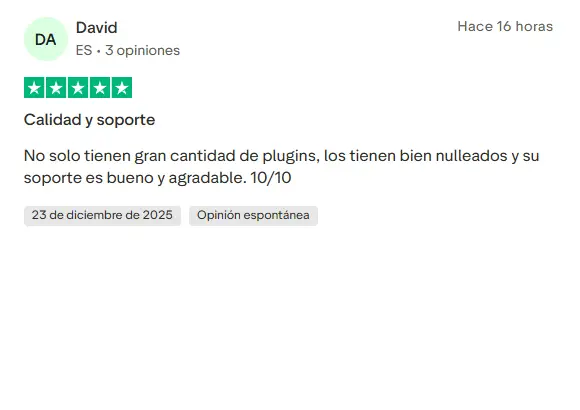
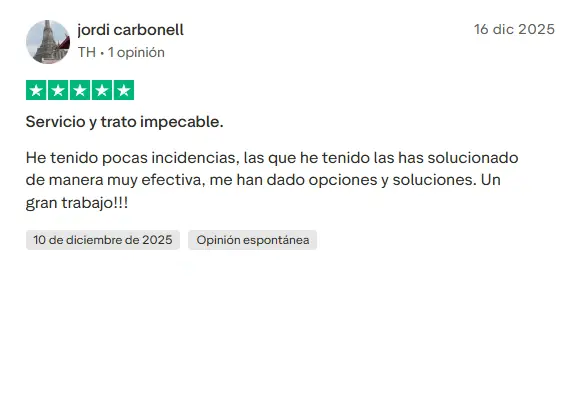
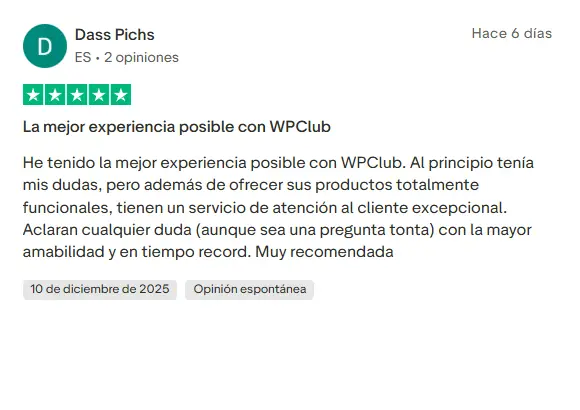
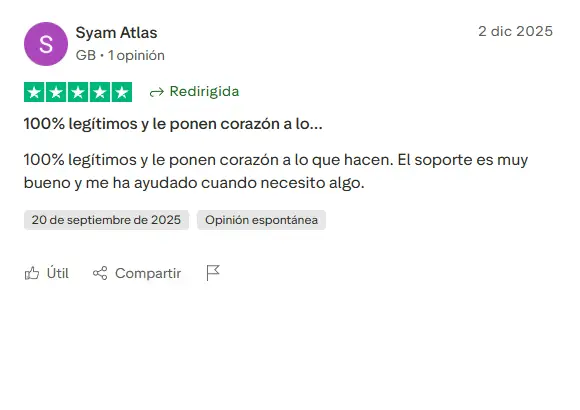
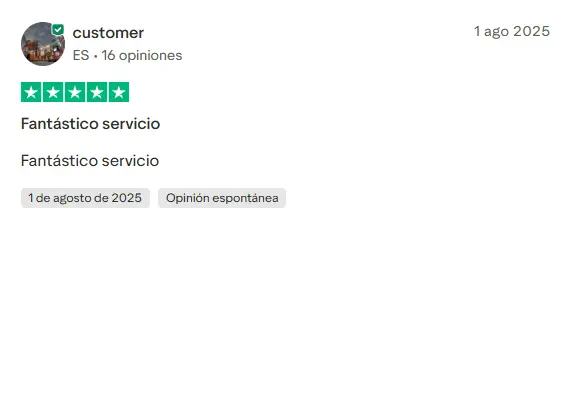
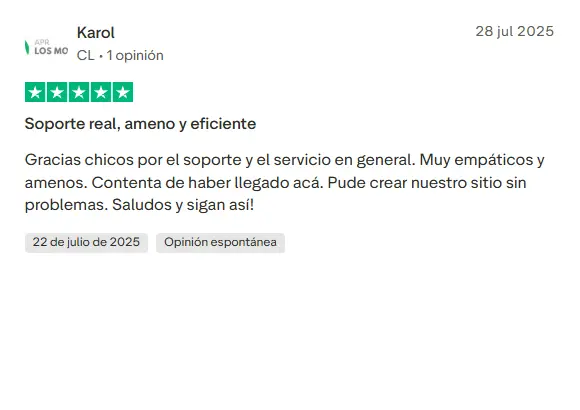
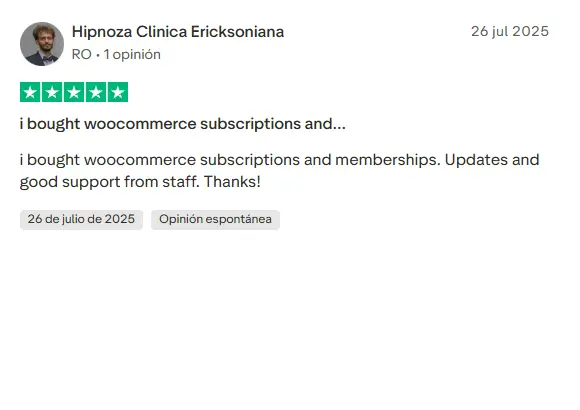
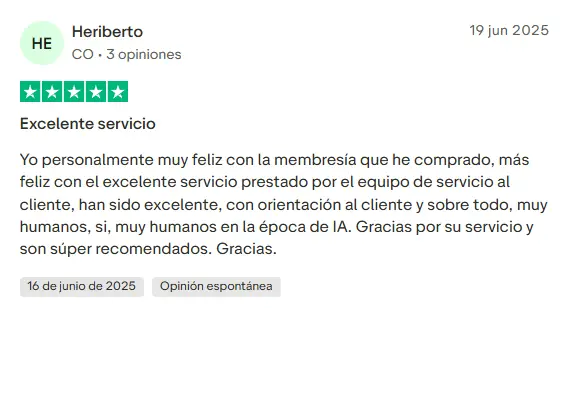
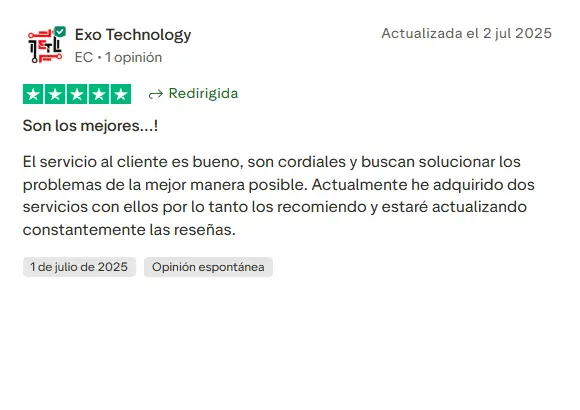
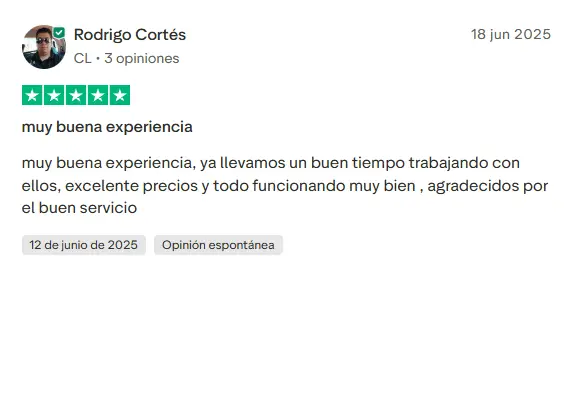
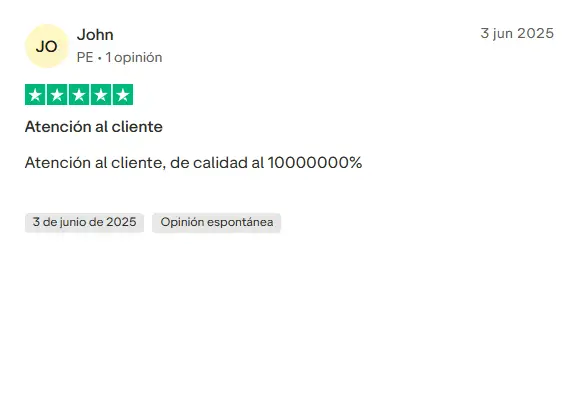
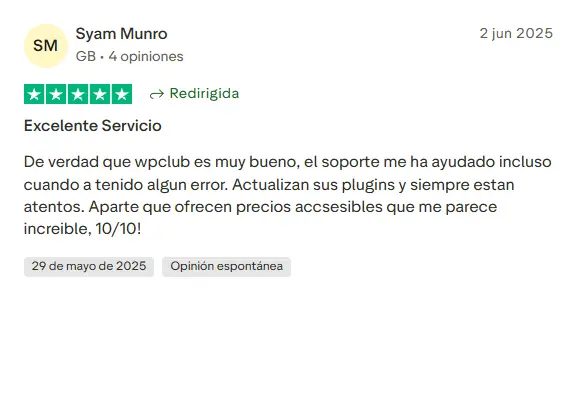
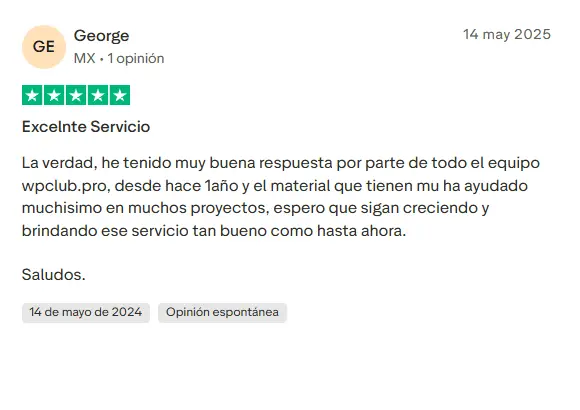
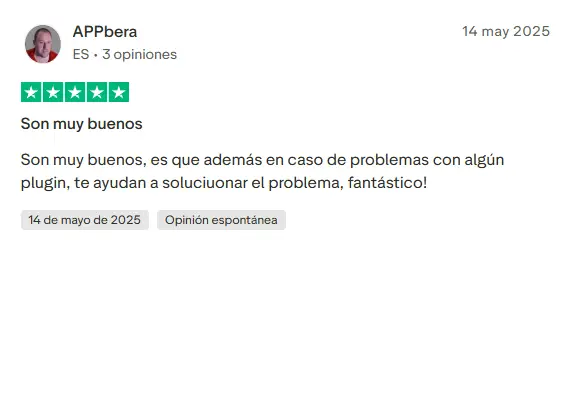
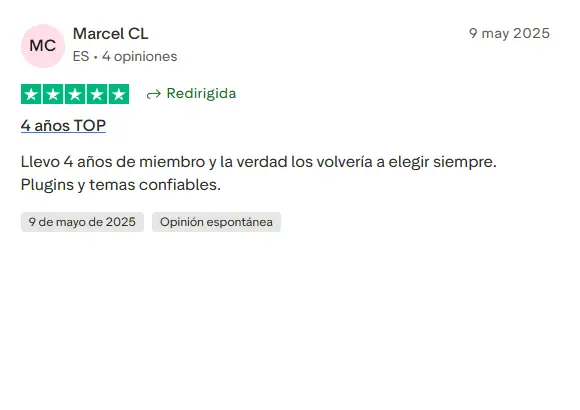
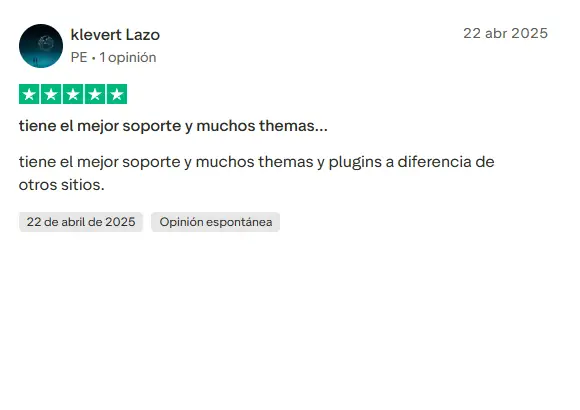
Our Reputation on Trustpilot
Many thanks to those who take the time to give us a rating on Trustpilot. Each and every one of your comments is very helpful to us. We strive to provide a rewarding experience for every member of our community, always with respect and care. We'll be here!


WPClub Memberships
Access our entire catalog for a single payment. We offer three memberships: Monthly, Annual, and Lifetime (One-Time Payment).
- Save thousands of dollars
- Unlimited daily downloads
- No recurring payments
- Fast downloads by AWS
- Quality service and support, validated since 2018
- We work with love for our community