

- Secure payment
- Spanish and English support
- With you since 2018
Quick summary
Gravity Forms Gutenberg is a dedicated extension for those already working with Gravity Forms who want to seamlessly integrate it into the WordPress block editor. It allows you to insert, customize, and view forms directly from Gutenberg, without confusing shortcodes or intermediate steps. It's designed for projects where forms play a significant role in lead generation, sales, bookings, or inquiries, and where visual control and content editing efficiency are essential.
What problem does it help solve?
When managing complex forms in WordPress, using shortcodes can become a source of errors. You might copy a code, paste it into the wrong block, modify it when updating a page, or simply forget which form was associated with each piece of content. If you've ever changed text on a landing page and inadvertently broken the form or misaligned it, the problem isn't the form itself, but how you're integrating it into the editor.
In real-world projects, this problem arises when the site grows and you start having multiple pages with forms: contact, quote, resource download, events, service sign-up, etc. Managing all of that with a simple shortcode complicates maintenance. Any design change requires going section by section, checking that the code is in the correct place, that brackets are present, and that no incorrect form has been duplicated. The result is inconsistent pages, poorly inserted forms, and wasted time on tasks that could be visual and straightforward.
Why this solution makes a difference
Gravity Forms Gutenberg transforms the relationship between your forms and the block editor. Instead of treating each form as an isolated piece of code that you have to remember and paste, you turn it into an editable and identifiable block within the page itself. This reduces configuration errors and makes it easier to think of content and forms as a unit, not as disconnected pieces.
When you start noticing that every design adjustment requires reviewing notes, IDs, or shortcode lists, integrating forms as blocks changes the workflow. You can see which form is being used in each section without leaving the editor, rearrange it with drag and drop, and maintain a clear structure on long pages. In day-to-day practice, this means fewer unnecessary revisions, less "blind" testing on the front end, and more confidence in delegating editing tasks to other team members who aren't technically proficient.
Signs you need this product
- Problem already present on the site: You have pages where you can't remember which Gravity Forms form is embedded and end up opening multiple tabs to check.
- Friction in WordPress: You depend on shortcodes annotated in external documents or saved in drafts, and any change in the structure involves searching again for which one corresponds to each form.
- Loss of control or time: Content editors avoid touching forms for fear of breaking something, which delays campaigns, launches, or adjustments to key pages.
- Typical growth scenario: The site has gone from having a simple contact form to several acquisition flows, funnels and specific requests, and it is no longer sustainable to manage them solely with code.
When does it make sense to use it (and when doesn't)
Gravity Forms Gutenberg makes sense when your site relies heavily on Gravity Forms and you use the block editor as your primary layout tool. In that context, having native blocks to select forms, rearrange them on the page, and easily identify them makes editing safer and more organized. This is especially useful for teams where multiple people contribute to content creation and not everyone is familiar with IDs or shortcodes.
On the other hand, this plugin isn't necessary if you're only using a very simple form on a single page and rarely make design changes. On minimal sites, where the form is almost static and the editor is used sporadically, managing a single shortcode isn't a real problem. It's also unnecessary if your project doesn't use Gravity Forms as its form foundation, since it's not intended to replace it or convert other systems into blocks, but rather to improve the user experience specifically with it.
Who it fits best for
- WordPress agencies and freelancers: Professionals who build websites for clients using Gravity Forms and need the marketing team to be able to edit pages without risk of damaging the forms.
- Projects with multiple landing pages: Businesses that manage campaigns, resource downloads, service-segmented forms, or lead generation pages where each screen has a different form.
- Marketing and communications departments: Teams that work directly in Gutenberg, adjusting copy, sections, and blocks, need to clearly identify which form they are inserting in each place.
Practical benefits
- Real operational improvement: By having the forms integrated as blocks, managing their location within a page or entry becomes a visual task, without needing to remember numerical codes or review internal documentation.
- Clearer user experience: The person editing the content can see in the editor itself which form is associated with each area, which reduces doubts, misunderstandings and the feeling of "not touching just in case".
- Control and organization: Complex pages, with several lead generation sections, are structured in a more readable way; you can identify which block corresponds to which form and reorganize without fear.
- Time saving: Steps such as going to another screen to find the correct shortcode, copying it, returning to Gutenberg and checking if you have pasted the correct one are eliminated; everything is chosen from within the editor itself.
- Error reduction: Errors resulting from copy/paste, confusing forms, or editing text within the shortcode are reduced, preventing broken pages or forms that disappear after a content update.
How it fits within WordPress
Within the WordPress workflow, Gravity Forms Gutenberg occupies a clear place: it connects Gravity Forms with Gutenberg so that page building and form management are integrated into the same workspace. Instead of using the editor only for formatting text and images and leaving forms as an external element, you integrate both parts into a single block-based logic. This makes creating landing pages, service pages, or contact sections consistent and easy to maintain over time.
When working with WordPress on growing projects, this type of integration allows you to maintain a global view of the content. You don't have to constantly switch between screens or explain to the client which shortcode each form represents. If you've ever had a team member delete or change a shortcode without realizing what they were doing, incorporating the forms into the block system prevents these kinds of silent errors that are only discovered when conversions start to drop.
Typical use cases
- Real-world use in e-commerce and services: Product or service pages where you need a different form depending on the type of request (quote, consultation, demo, sales support) and you want to manage them in an organized way from Gutenberg.
- Specific case study: A site with multiple landing pages for ad campaigns, each with its own resource download or registration form; with this plugin, each landing page is visually built with blocks, including the appropriate form without remembering IDs.
- Direct value situation: Projects where several people edit content and it is not feasible for everyone to learn the internal logic of Gravity Forms; by having identifiable blocks, the learning curve for the team is reduced very clearly.
Frequently Asked Questions about Gravity Forms Gutenberg
How does Gravity Forms Gutenberg differ from simply using Gravity Forms shortcodes?
With shortcodes, each form is handled as a snippet of text that you have to copy, paste, and remember. This works initially, but becomes difficult to manage when there are many forms scattered throughout the site. Gravity Forms Gutenberg integrates forms directly as blocks within the editor, so you choose the form from a visual list and place it wherever you want. It doesn't replace the logic of Gravity Forms, but it does change how you insert and organize forms on each page.
What does Gravity Forms Gutenberg offer for sites managed by multiple people?
In teams where multiple people work on content, it's common for not everyone to be familiar with technical aspects like form IDs or shortcode structure. With Gravity Forms Gutenberg, each editor can clearly see which form they're adding because they select it directly from the block. This reduces reliance on the team's "technical" person, minimizes errors from accidental code editing, and makes it safer to delegate page creation and modification to content or marketing teams.
Does Gravity Forms Gutenberg replace Gravity Forms or is it part of the same workflow?
Gravity Forms Gutenberg doesn't replace Gravity Forms or add a new form system. Its function is to act as a bridge between Gravity Forms and the block editor, leveraging everything you already have configured in your forms and translating it to a more visual experience in Gutenberg. You'll continue to create and manage forms in the familiar Gravity Forms environment, but integration with pages and posts is done through blocks instead of relying solely on shortcodes.
Does it make sense to use Gravity Forms Gutenberg in projects with few forms?
If your project only has a simple contact form and you rarely make changes, the impact of Gravity Forms Gutenberg will be limited. The real difference becomes apparent when you manage multiple forms in different sections of the site, or when the design and content change frequently. In these situations, making form insertion a visual, block-based process saves time and simplifies maintenance. For very basic projects, the shortcode alone is sufficient.
What practical advantage will I notice when creating landing pages with Gravity Forms Gutenberg?
When designing a landing page, you typically combine headlines, blocks of text, visuals, and one or more key forms. With Gravity Forms Gutenberg, you don't need to interrupt your creative flow to search for a shortcode: you select the form from a block, place it alongside the other sections, and see its position within the overall design. This makes adjusting page length, rearranging sections, or testing different form layouts smoother, without technical steps slowing down your marketing efforts.
Conclusion
Gravity Forms Gutenberg exists to solve a very specific problem: the disconnect between advanced form management and visual editing in Gutenberg. When forms cease to be a simple add-on and become a central part of user acquisition and engagement, treating them as blocks within the editor brings order, security, and speed. If your project already relies on Gravity Forms and the block editor, this plugin helps you make them truly work together on a daily basis.
Your individual purchase includes:
- Lifetime updates.*
- Product ready to use.
- Immediate access to the product.
- Clean and virus-free files.
- GNU GPL V2/V3 License
- Technical support in Spanish and English.
* In the case of memberships, the period during which you will receive updates will depend on the type of membership purchased: monthly, annual, or lifetime.
Get your questions answered here
Here you'll find answers to frequently asked questions about our service: how it works, what it includes, and how to get the most out of it.
On how many websites can I use the products?
You can use any product from our store on any website you want.
Will I get updates?
Absolutely. If you buy an individual product, you'll get lifetime updates for that product.
On the other hand, if you purchase a membership, you will receive updates until your membership expires.
What if I have a problem?
First of all, we want you to know that you can count on us. We will assist you and provide the necessary support, so you can rest assured.
On the other hand, it is important for you to know that, given the time difference between countries, your time and ours may not be the same, so we will be delayed accordingly.
Our opening hours start at 9 AM from Monday to Friday, UTC -3. We are open until around 6 PM.
Do they provide technical support?
Yes, and regarding the time, it is usually on average within 24 to 48 business hours.
However, there are times when we have already provided an answer and solution in less than a day, depending on the case.
Are there download limits?
No. We don't believe in that format, so you can download as many times as you want. No problem. We pay for high-quality professional storage precisely to avoid problems.
Do they provide license keys?
No. Giving out the keys is not a viable option, as we have had experiences where they end up circulating everywhere and we can even lose the associated accounts.
That said, all products are original and, in cases where a license key is required to function, we will take care of pre-activating them for you.
Does my purchase include an invoice?
Yes. After payment, you will be able to access your invoice immediately in the "Purchases" section of your user account.
That is why it is important that you properly complete the information requested at the time of payment.
Is there a warranty?
Yes, of course. If there's a problem we can't resolve, or if there's an external issue that doesn't have a general solution, you'll receive support and, if necessary, a full refund. We have a 14-day refund policy from the date of purchase.
- It should be noted that there is no warranty if the product works well and it simply wasn't what you wanted.
There have been instances where someone buys a product, the product works perfectly, but they don't like it and want a refund, keeping the product. That's not right.
However, everything is evaluable and reasonable. Let's use judgment together.
What are the opening hours?
Our opening hours are:
- Monday to Friday, from 9 a.m. to 6 p.m.
- Saturday and Sunday: No service.
UTC -3 time

Reviewed by the WPClub team
At WPClub, we carefully review each product before listing it. Our team evaluates its key features, compatibility, and performance to provide you with reliable, up-to-date, and helpful information when choosing and using each resource available in our store.
Download previous versions
If you have purchased this product, or have an active membership, you can download previous versions as we release them, without any limits or restrictions.
| Nombre del producto | Versión | Tamaño | Fecha | Descargar |
|---|---|---|---|---|
| No hay versiones anteriores registradas. | ||||

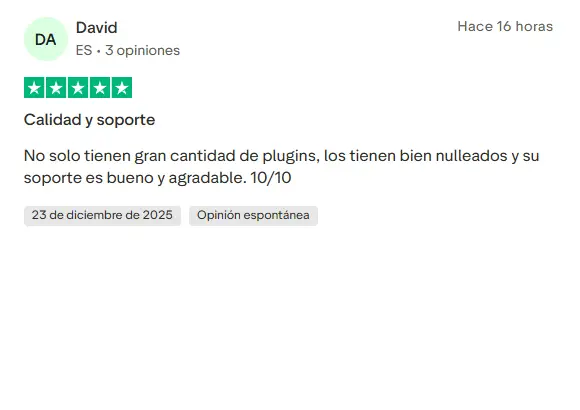
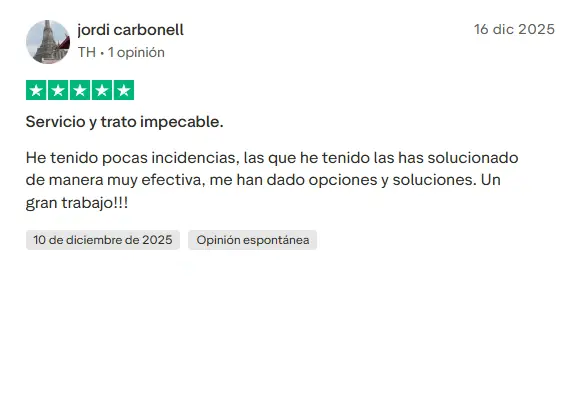
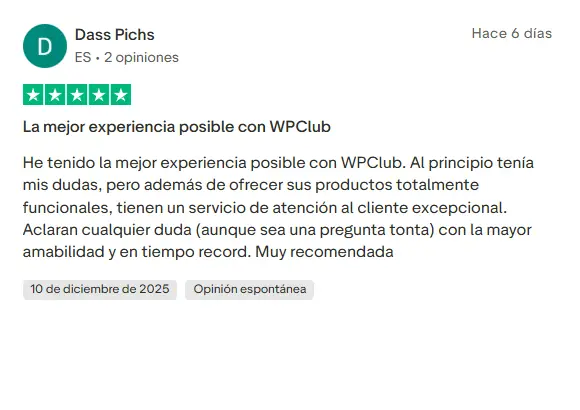
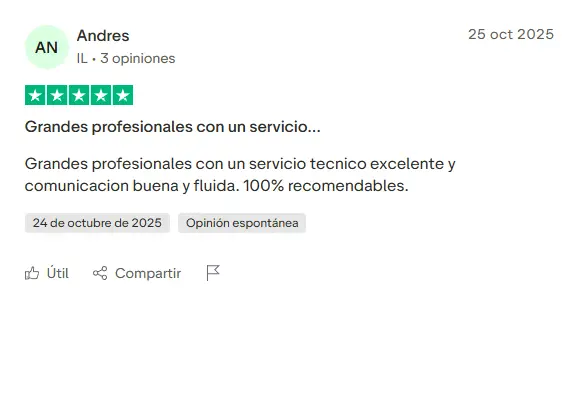
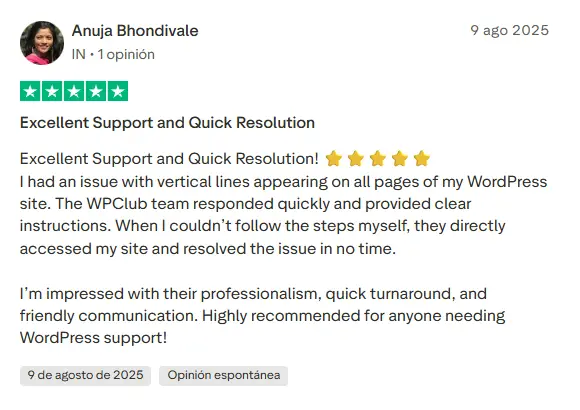
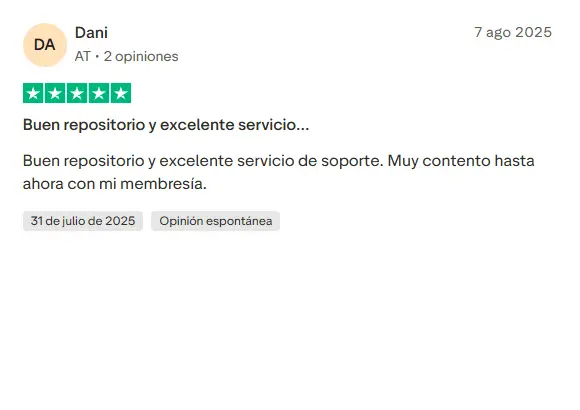
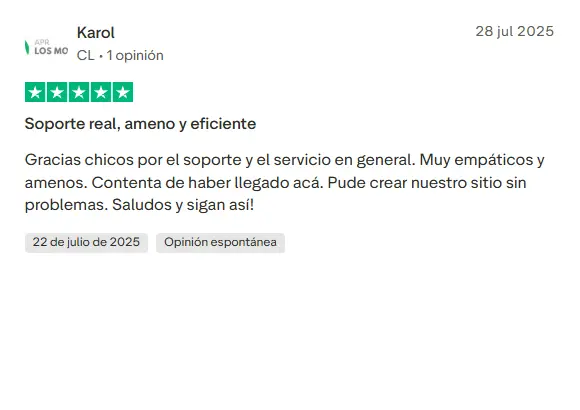
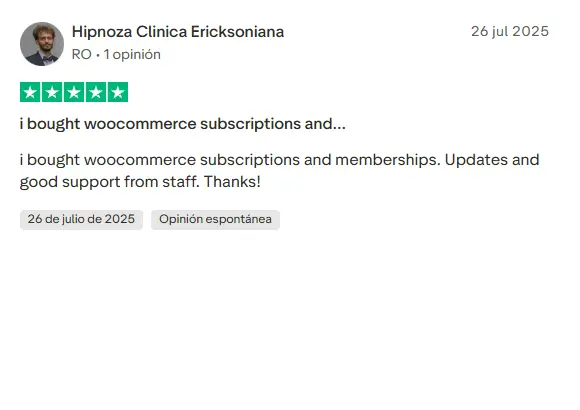
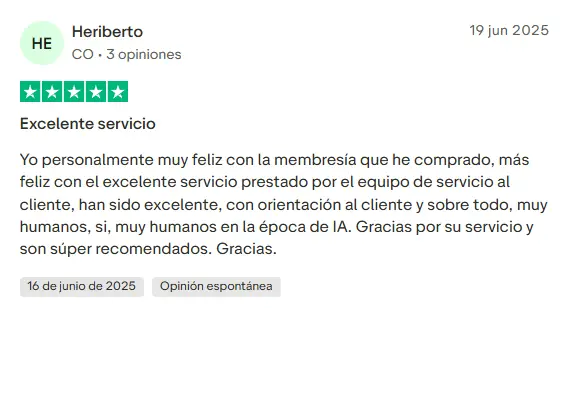
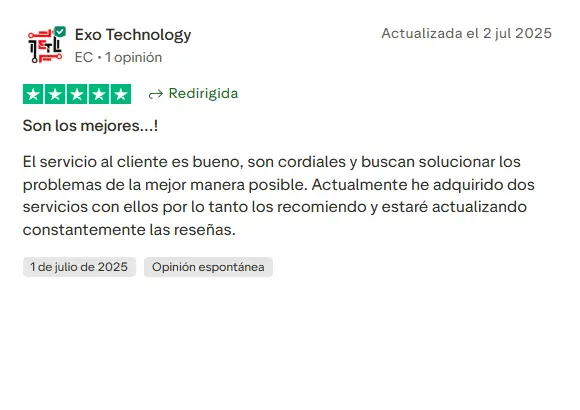
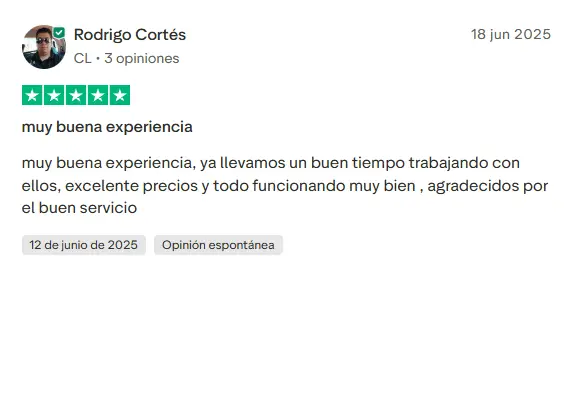
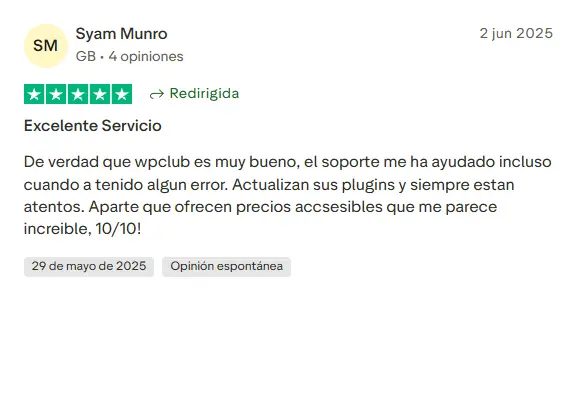
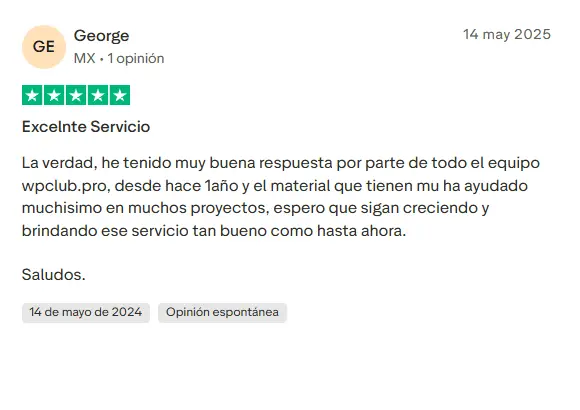
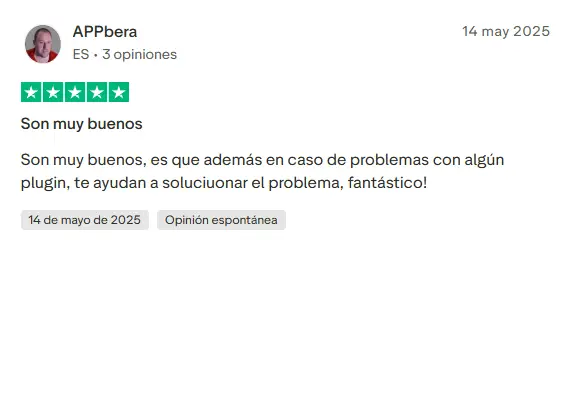
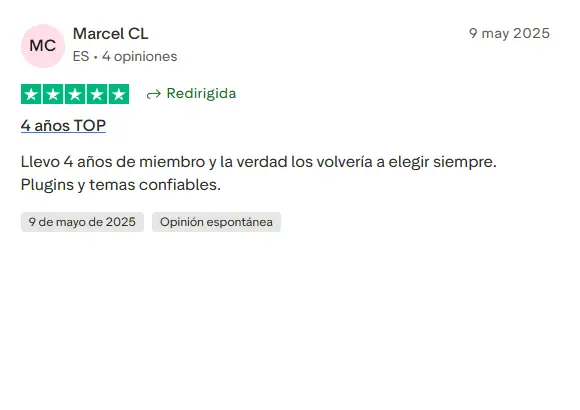
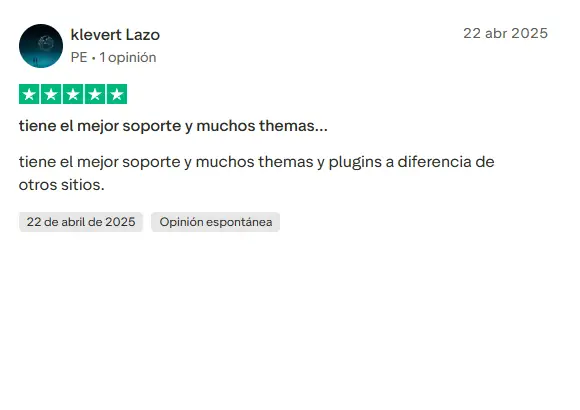
Our Reputation on Trustpilot
Many thanks to those who take the time to give us a rating on Trustpilot. Each and every one of your comments is very helpful to us. We strive to provide a rewarding experience for every member of our community, always with respect and care. We'll be here!





WPClub Memberships
Access our entire catalog for a single payment. We offer three memberships: Monthly, Annual, and Lifetime (One-Time Payment).
- Save thousands of dollars
- Unlimited daily downloads
- No recurring payments
- Fast downloads by AWS
- Quality service and support, validated since 2018
- We work with love for our community