
HappyFiles Pro 1.9.1


- Secure Payment
- Support from Monday to Friday
- With you since 2018
$59.00 El precio original era: $59.00.$5.99El precio actual es: $5.99.
Quick summary
HappyFiles is an organizational plugin for WordPress that lets you group media, posts, pages, and other content into visual, folder-like collections directly from your dashboard. It's designed for sites where the file library and content listings have become unmanageable. If you work with many resources, clients, or projects and waste time finding what you need, HappyFiles helps restore order and speed to your daily workflow.
What problem does it help solve?
In WordPress, everything starts off well when you only have a few images and a few pages. The problem arises when the site grows: hundreds of images in the library, banners from past campaigns, old logos, downloadable documents, design templates… All mixed together in a single list where you can only filter by date or search by name, provided you remember it accurately.
If you've ever logged into your media library and wasted several minutes trying to find a specific file, you're already experiencing the problem HappyFiles aims to solve. It's not just about visual organization; it affects how quickly you prepare a landing page, upload a new product, update a section, or create content for a client. Every repeated manual search, every duplicate image "just in case I can't find it," slows down your progress.
In real-world projects, this disorganization isn't limited to images. It also affects certain types of content: downloadable documents, icons, training resources, and even sections you reuse across different pages. When you start repeating tasks because you can't remember where everything is, or when you prefer to re-upload a file rather than search for it, your WordPress workflow becomes inefficient.
Why this solution makes a difference
HappyFiles introduces a visual and structured way to organize your existing WordPress content without changing how you create it. You still use the familiar dashboard, but now with clear groupings that function like custom collections or folders. The impact is noticeable in everyday tasks: choosing images for a post, locating a downloadable resource for an update, and separating files for each project or client.
In this context, each group serves as a mental map of the site. Instead of memorizing file names or upload dates, you think in practical categories: “summer campaign banners,” “blog resources,” “client logos,” “PDF manuals.” For those who work with WordPress daily, this structuring method reduces common errors such as using outdated images, deleting resources that are still in use, or mixing materials from different projects.
On the other hand, organizing by collections directly impacts production speed. Someone managing multiple sites can go from reviewing endless lists to accessing the correct grouping and having everything they need at a glance. This difference is noticeable when there are deadlines, releases, or last-minute changes, because time is spent deciding what content to display, not searching for where it's stored.
Signs you need this product
- Your media library has so many images that you have to go through several pages to find a single photo or icon.
- You notice friction when working with WordPress because you repeat searches, upload duplicate files, or waste time checking similar names.
- You start losing control over which resources are actually in use and which are old, leading to errors when updating or deleting files.
- You manage several projects or clients in the same place and you no longer know which resources belong to each one, making it difficult to scale the project.
When does it make sense to use it (and when doesn't)
HappyFiles provides real value when content volume exceeds manual management capacity. If you work with extensive libraries, teams sharing the same WordPress dashboard, continuously growing projects, or sites where resources are reused across many pages, having a clear structure reduces friction and makes maintenance more predictable.
It also makes sense when your site is a resource database: online academies with lots of materials, blogs with years of posts, e-commerce sites with extensive visual galleries, or agencies that gather graphic resources from different clients. In these scenarios, classifying and quickly locating each file is part of the job, not a secondary detail.
Conversely, this type of plugin isn't necessary for very small or temporary projects. If your site has few pages, just a few dozen images, and is updated sporadically, the native search function and date filter are usually sufficient. In those cases, adding an extra layer of organization won't significantly change your workflow.
Who it fits best for
- Professionals who manage content on a large scale in WordPress, such as marketing managers, content writers, or ecommerce managers with many product images and promotional resources.
- Agencies and freelancers who manage multiple sites or a multisite, and need to clearly separate the resources of each client or project within the same work environment.
- Design and content teams that share the media library and require a consistent way to group items by campaign, format, site section, or usage type.
Practical benefits
- Real operational improvement: the WordPress library is no longer an endless list but is segmented into logical groups that reflect how you work with your projects.
- User experience: When choosing files from any editor, you find what you need faster because you know the collection where it is, without getting lost among undescriptive names.
- Control and organization: You have a clearer view of what materials you use for each section, client, or campaign, reducing the risk of using outdated or out-of-context resources.
- Time savings: manual searches and duplicate uploads are reduced; each work session focuses on creating or adjusting content, not tracking down lost files.
- Error reduction: By working with defined groupings, you avoid deleting resources that are still linked to important pages and minimize confusion between old and current versions of the same file.
How it fits within WordPress
HappyFiles integrates seamlessly into your existing WordPress workflow as a visual organizational layer on top of what's already there. You still upload images, documents, or resources as usual, but now you can assign them to collections directly from the media library. Whenever you open the media picker to insert an image into a post, design a page, or set up a block, your collections will be ready to filter what you need.
When working with WordPress on real-world projects, this structure becomes a constant support: when preparing new posts, you reuse images grouped by theme; when updating a section, you quickly locate the associated resources; and when reviewing the site's status, you identify which collections contain the key elements. It doesn't replace any core WordPress function; it complements it by adding an order that the system doesn't offer natively.
Typical use cases
- Real-world use in ecommerce: organizing product images by category, season, or brand, so that when creating new listings you can find the appropriate photos and banners in seconds without having to go through the entire library history.
- A concrete practical example: a blog with years of publications groups its images by content sections (tutorials, opinions, downloadable resources), which allows updating old articles by reusing graphics and screenshots without uploading new versions each time.
- Situation where it provides direct value: an online academy with dozens of PDFs, lesson thumbnails and promotional materials creates collections by course and by launch, making it easier for the marketing and content teams to work on the same resources without overlapping or confusing files.
Frequently Asked Questions about HappyFiles
When does it make sense to start using HappyFiles on an existing site?
HappyFiles is especially useful when your media library becomes unwieldy at a glance. If you constantly need to use the search function, browse multiple pages of files, or upload duplicate images because you can't find the originals, it's a good sign that your current structure isn't enough. Implementing HappyFiles at this point allows you to organize your content without changing your workflow, simply by adding a layer of grouping that saves you steps in every daily task.
How does HappyFiles help in projects with multiple team members?
In organizations where writers, designers, and marketing staff collaborate, the media library often becomes a chaotic shared space. HappyFiles allows you to establish clear collections that everyone recognizes: campaigns, site sections, clients, and types of material. This way, new employees know which group to use to find each resource, reducing internal questions, preventing unnecessary duplicates, and maintaining a consistent approach, even as the team changes or grows over time.
What impact does HappyFiles have on the ongoing maintenance of a large site?
On large websites, maintaining order is just as important as publishing new content. HappyFiles makes it easy to review which resources belong to each section or project and identify outdated materials grouped into specific collections. When it's time to update campaigns, redesign pages, or clean up old archives, having everything segmented into groups allows for more informed decision-making and reduces the risk of deleting items that are still in use on the site.
Does HappyFiles work only for images or also for other types of content?
While the most obvious benefit is seen in the image library, HappyFiles also brings order to contexts where you use documents, icons, or other common WordPress files. For example, you can differentiate between downloadable materials, internal resources, campaign creatives, and branding elements. This distinction helps you maintain a consistent usage pattern: what's displayed to end users goes in one place, while what you need only for internal management goes in another, preventing everything from being mixed together in the same visual space.
What practical difference is there between using only the WordPress search engine and organizing with HappyFiles?
WordPress's search function requires you to remember specific names or very particular details about the file you're looking for. HappyFiles, on the other hand, relies on how you organize your projects: by sections, campaigns, courses, clients, or content types. Instead of memorizing names, you enter the relevant collection and see only the items that are important. This streamlines your work when managing many similar resources with similar names, or when multiple people upload files and there's no unified naming convention.
Conclusion
HappyFiles exists to solve a very specific problem: the clutter that arises in WordPress when the volume of files grows and the library becomes unmanageable. By introducing visual groupings aligned with how you organize your projects, it transforms a chaotic list into a structured workspace. If you've ever wasted time searching for the same resources or uploading files that were already there, this organizational approach can make all the difference in your daily WordPress experience.
Latest update:

Written by: WPClub
With over seven years of experience curating, managing, and distributing GPL products, our content is based on hands-on experience, technical review, testing, and feedback from thousands of users. We aim to democratize and simplify the WordPress world so you can choose with confidence, speed, and ease.
Your Individual Purchase Includes:
- Lifetime updates.*
- Official product, ready to use.
- Immediate access to the product.
- Clean and virus-free files.
- GNU GPL V2/V3 License
- Technical support in Spanish and English.
* In the case of memberships, the period during which you will receive updates will depend on the type of membership purchased: monthly, annual, or lifetime.
Notify Update
We update products Monday through Friday. However, if the product you see is not yet updated, you can notify us so we can prioritize updating it whenever possible.
Get your questions answered here
Here you'll find answers to frequently asked questions about our service: how it works, what it includes, and how to get the most out of it.
On how many websites can I use the products?
You can use any product from our store on any website you want.
Will I get updates?
Absolutely. If you buy an individual product, you'll get lifetime updates for that product.
On the other hand, if you purchase a membership, you will receive updates until your membership expires.
What if I have a problem?
First of all, we want you to know that you can count on us. We will assist you and provide the necessary support, so you can rest assured.
On the other hand, it is important for you to know that, given the time difference between countries, your time and ours may not be the same, so we will be delayed accordingly.
Our opening hours start at 9 AM from Monday to Friday, UTC -3. We are open until around 6 PM.
Do they provide technical support?
Yes, and regarding the time, it is usually on average within 24 to 48 business hours.
However, there are times when we have already provided an answer and solution in less than a day, depending on the case.
Are there download limits?
No. We don't believe in that format, so you can download as many times as you want. No problem. We pay for high-quality professional storage precisely to avoid problems.
Do they provide license keys?
No. Giving out the keys is not a viable option, as we have had experiences where they end up circulating everywhere and we can even lose the associated accounts.
That said, all products are original and, in cases where a license key is required to function, we will take care of pre-activating them for you.
Does my purchase include an invoice?
Yes. After payment, you will be able to access your invoice immediately in the "Purchases" section of your user account.
That is why it is important that you properly complete the information requested at the time of payment.
Is there a warranty?
Yes, of course. If there's a problem we can't resolve, or if there's an external issue that doesn't have a general solution, you'll receive support and, if necessary, a full refund. We have a 14-day refund policy from the date of purchase.
- It should be noted that there is no warranty if the product works well and it simply wasn't what you wanted.
There have been instances where someone buys a product, the product works perfectly, but they don't like it and want a refund, keeping the product. That's not right.
However, everything is evaluable and reasonable. Let's use judgment together.
What are the opening hours?
Our opening hours are:
- Monday to Friday, from 9 a.m. to 6 p.m.
- Saturday and Sunday: No service.
UTC -3 time

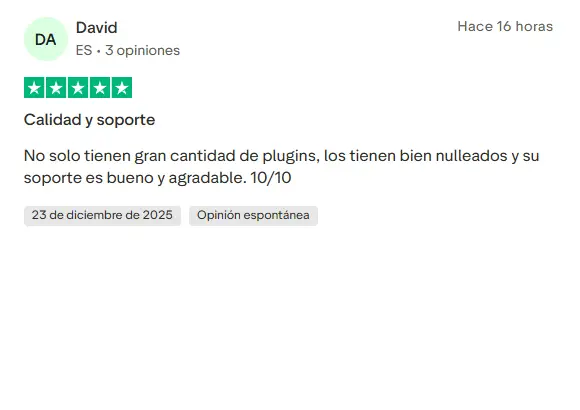
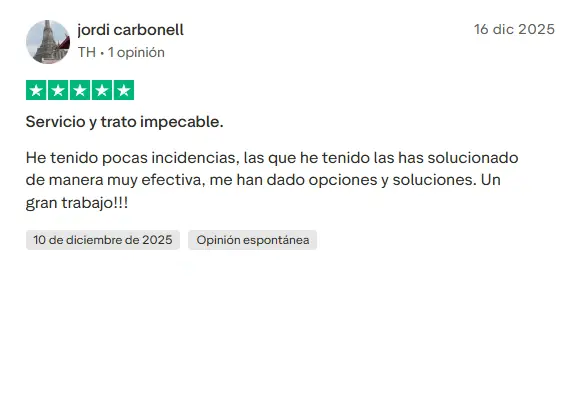
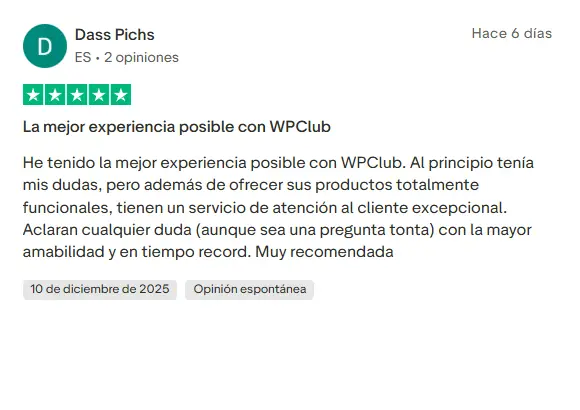
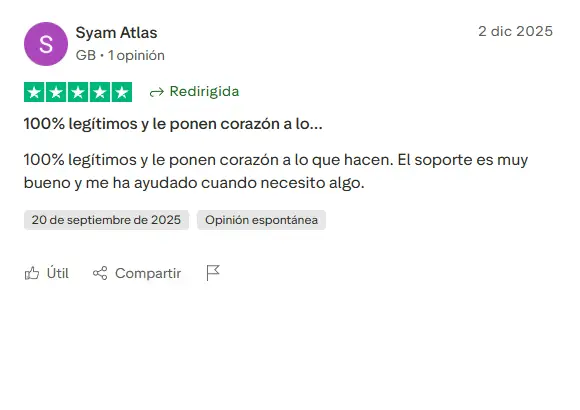
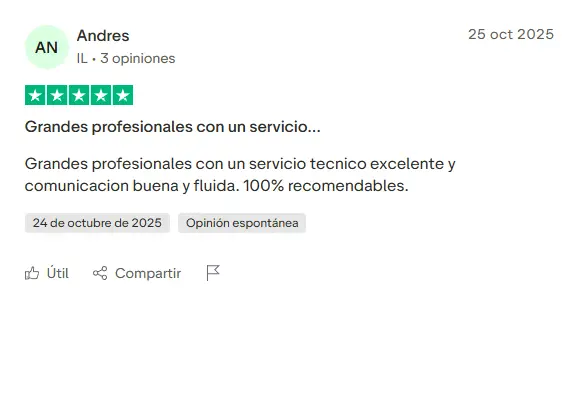
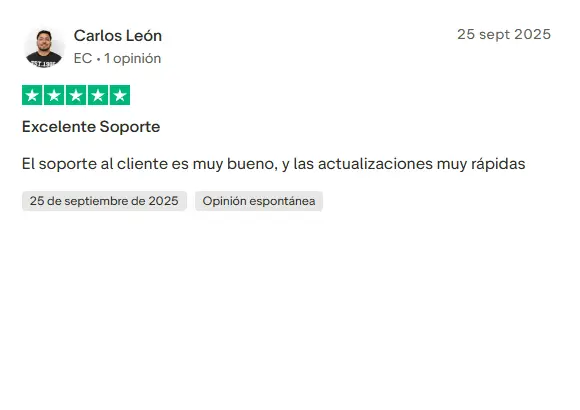
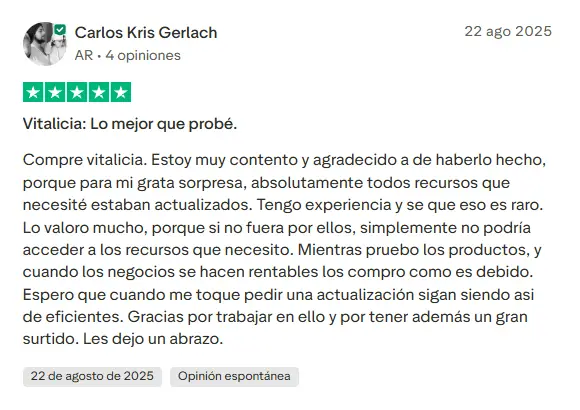
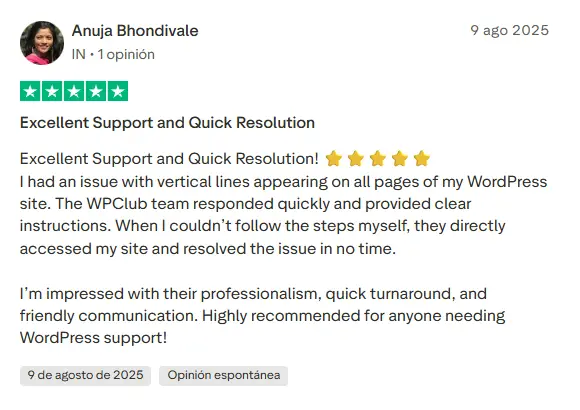
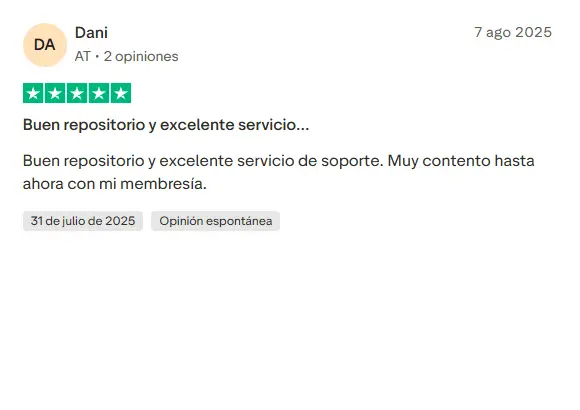
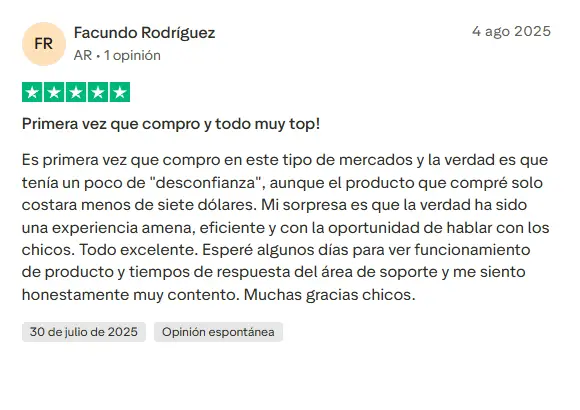
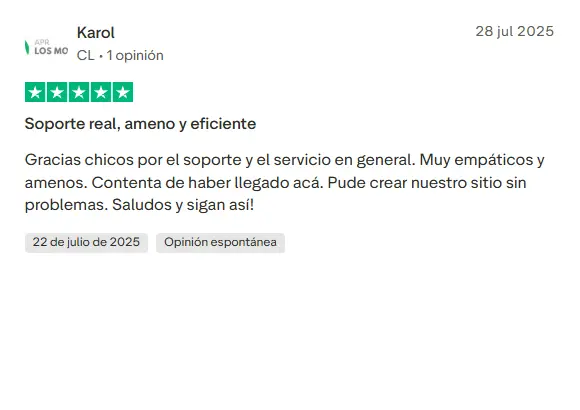
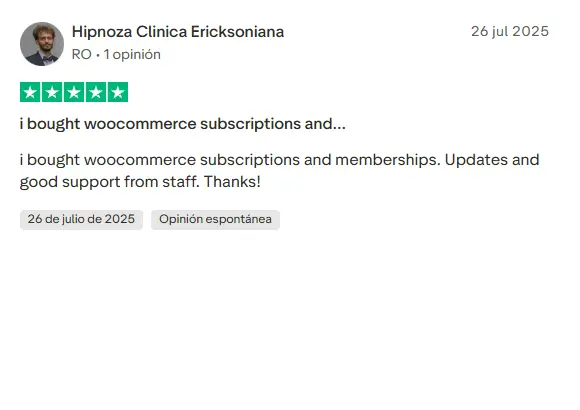
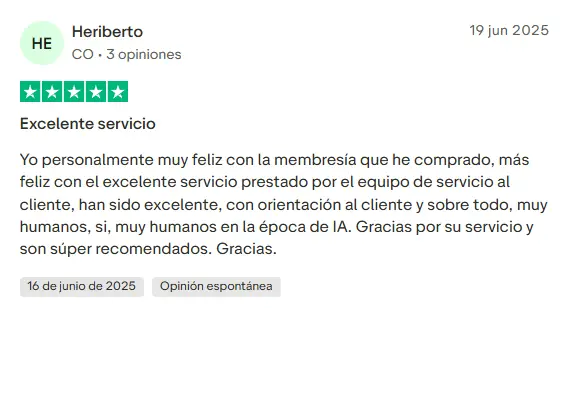
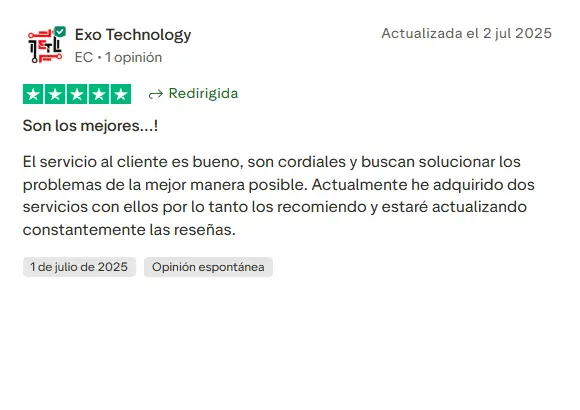
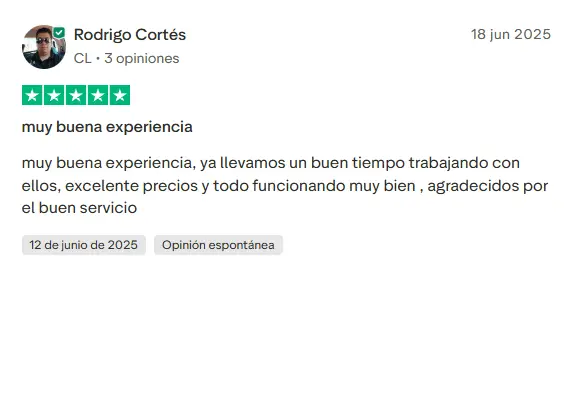
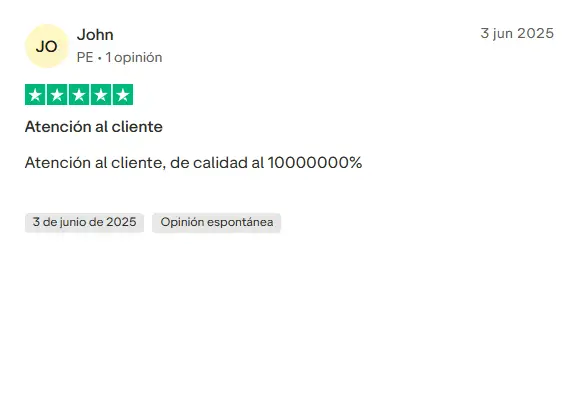
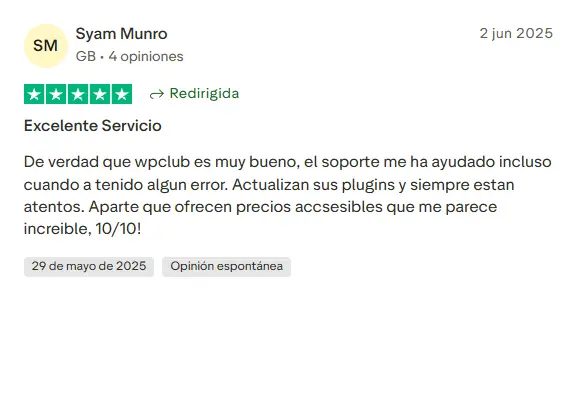
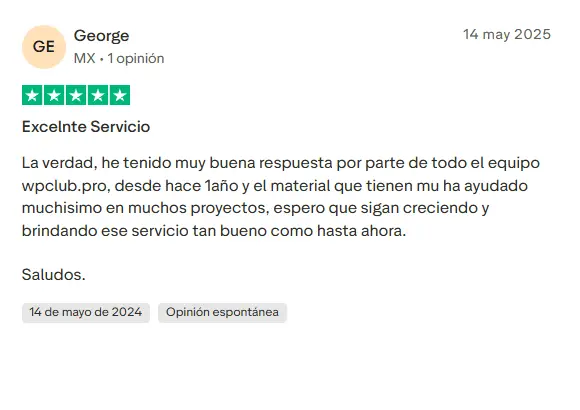
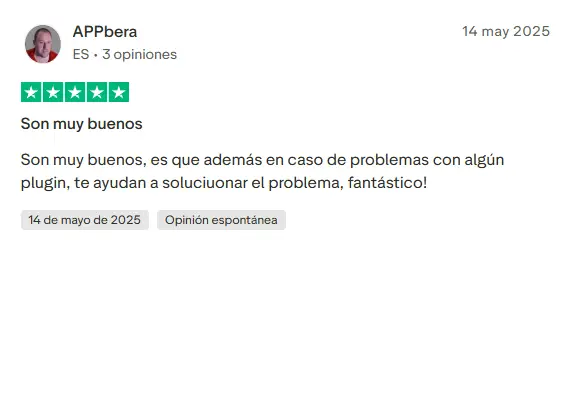
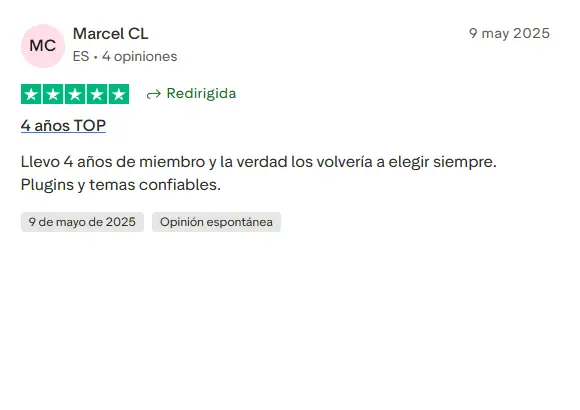
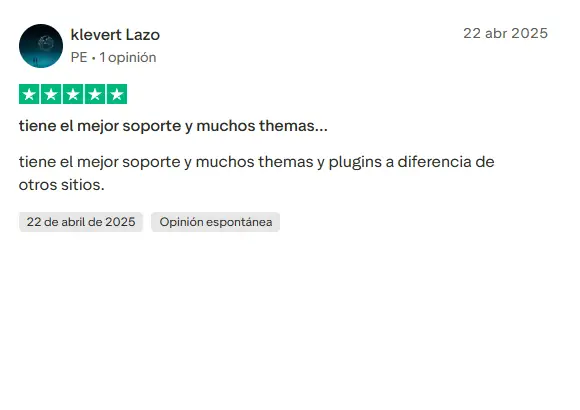
Our Reputation on Trustpilot
Many thanks to those who take the time to give us a rating on Trustpilot. Each and every one of your comments is very helpful to us. We strive to provide a rewarding experience for every member of our community, always with respect and care. We'll be here!
WPClub Memberships
Access our entire catalog for a single payment. We offer three memberships: Monthly, Annual, and Lifetime (One-Time Payment).
- Save thousands of dollars
- Unlimited daily downloads
- No recurring payments
- Fast downloads by AWS
- Quality service and support, validated since 2018
- We work with love for our community