
Inactive Logout Pro 2.5.0



- Secure Payment
- Support from Monday to Friday
- With you since 2018
$259.99 El precio original era: $259.99.$5.99El precio actual es: $5.99.
Quick summary
Inactive Logout is a session management tool for WordPress that automatically logs out inactive users after a defined period of time. It helps reduce unwanted access on shared computers, minimize security risks from open sessions, and maintain order in projects with multiple accounts. It is especially useful for websites managed by several editors, team members, clients, or users with access to the admin panel.
What problem does it help solve?
In many WordPress projects, dashboard access is handled from shared computers, offices, coworking spaces, or client computers. The problem arises when a user leaves their session open, gets up from their desk, and anyone else can access the WordPress dashboard without any restrictions. If you've ever had someone modify content or settings without knowing who did it, you know how critical this scenario is.
Another critical issue arises on websites with multiple user profiles: editors, authors, store managers, or external contributors. Without clear idle time management, sessions remain active for hours, even days. This increases the risk of uncontrolled changes, viewing of sensitive information, and unauthorized access to internal sections. In this context, relying solely on each person manually logging out becomes a constant source of human error.
There's also an internal management problem: users connecting from different devices leave multiple sessions open and then experience access conflicts, error messages, or lose track of where they're active from. When you start noticing that your users are "staying logged in" even when they're no longer working, you need a clear mechanism that defines how long an inactive session actually lasts.
Why this solution makes a difference
Inactive Logout introduces a layer of automatic control over something that, in practice, is beyond our control: user behavior after logging in. Instead of relying on each person's discipline to close their account, you set a time limit, and the system takes care of logging the user out when they stop interacting with the site.
This directly reduces the risks associated with oversights: open sessions on forgotten laptops, unlocked office computers, or shared screens during meetings. In real-world projects, this kind of detail makes the difference between a relatively secure dashboard and one where anyone with physical access to the computer can modify content, orders, or customer data.
On the other hand, it simplifies the administration's daily tasks. By clearly defining login times, the team knows what to expect: if they are away for a while, they will see the login screen again and will need to log in again. This improves the tracking of who is doing what within the site and reduces confusing situations where several people use the same session for hours.
Signs you need this product
- You've already detected open WordPress sessions on shared computers and you don't know how long they remain active.
- There is friction in your workflow because editors, store managers, or clients leave the panel open and others end up using that same session.
- You notice a loss of control over who makes certain changes, you review the history and discover that several users share access from the same browser.
- Your project is growing, you're adding more people to the team, and you want to establish clear disconnection policies for inactivity before problems get bigger.
When does it make sense to use it (and when doesn't)
Inactive Logout provides real value when your website has multiple users with access to the administration area or private zones: online stores with internal managers, membership sites, collaborative blogs, intranets, or client projects where several people log in to review or modify information. In these scenarios, setting up automatic logout after inactivity helps maintain basic security and prevent errors due to negligence.
It is also useful if you work with computers that are not always under the direct control of a single person, such as shared office equipment or devices used at points of sale, reception, or support.
However, this type of control isn't as necessary for personal websites managed solely by you, where you always access them from your own computer and have clear login habits. If your project is limited to a single person with good security practices and no third parties accessing the dashboard, the impact of Inactive Logout will be minimal, and you probably won't notice a significant change in your routine.
Who it fits best for
- WordPress administrators who coordinate teams of writers, designers, or content managers and need to limit idle session time.
- Owners of online stores where several employees handle orders, products, or sensitive customer data from different devices.
- Agencies and professionals who provide client access panels and wish to reduce risks arising from open sessions in offices, receptions, or shared workstations.
Practical benefits
- Real operational improvement by establishing a maximum downtime, closing sessions that would otherwise remain open for hours without supervision.
- A clearer user experience for the team, who understand that after a period of inactivity they will be asked to log in again before continuing to work.
- Greater control and organization over who is actually connected, preventing multiple people from using the same session continuously without realizing it.
- Long-term time savings by reducing incidents related to unwanted access, changes not attributable to any specific user, or constant manual reviews.
- Reduction of errors resulting from human forgetfulness, such as leaving the panel open in meeting rooms, counters or shared spaces.
How it fits within WordPress
Inactive Logout addresses a very specific point in the WordPress workflow: managing user sessions once a user has logged in. It doesn't replace your existing access measures or modify the role system, but rather introduces a clear logout policy when there is no more activity.
When working with WordPress, its function lies between login and daily dashboard use. Users log in normally, perform their tasks, and if they stop interacting for the set time, the session closes automatically. In this way, it forms part of the overall site security and organization strategy, complementing other access settings without interfering with the rest of the website's functionality.
Typical use cases
- Daily management of an ecommerce site where several employees process orders from different computers, and the goal is to ensure that inactive sessions do not remain open after the shift ends.
- Collaborative publishing project in which external writers work from coworking spaces, and the aim is to prevent WordPress accounts from remaining accessible when they leave their position.
- Corporate website with access to the panel for marketing or communication managers, where Inactive Logout provides an automatic closure that limits the risk of unwanted changes from shared computers.
Frequently Asked Questions about Inactive Logout
What exactly does Inactive Logout accomplish within my WordPress site?
Inactive Logout sets a maximum inactivity time for each logged-in user. When a user stops interacting with the site during this period, the session is automatically closed. This is useful in environments where multiple people access the dashboard or private areas and there's a risk they might leave their accounts open. This reduces unwanted access due to oversights and gives you clearer control over desktop usage.
In what cases is the improvement most noticeable when using Inactive Logout?
The improvement is especially noticeable when your WordPress site is used by multiple people on shared or poorly controlled devices. For example, in offices, retail locations, coworking spaces, or client teams where the dashboard is frequently left open. If you've ever found an active session on a computer where it shouldn't be, setting an inactivity timeout with Inactive Logout helps to significantly reduce these situations.
Do I need Inactive Logout if I'm the only one working on the admin panel?
If you manage the site yourself, always access it from your own computer, and have good security habits, such as locking your screen or logging out when finished, you may not see a significant benefit. Inactive Logout only makes sense when there are multiple users, when computers are shared, or when the risk of leaving sessions open outweighs the peace of mind of relying solely on the individual responsibility of each person accessing the dashboard.
Does Inactive Logout replace other security measures in WordPress?
Inactive Logout doesn't replace other measures like strong passwords, limiting login attempts, or additional verification. Its function focuses on one specific aspect: managing logout after a period of inactivity. Ideally, it should be used as part of a broader strategy that addresses how users access the site and, with Inactive Logout, how long an account remains open after the user stops interacting with the page or dashboard.
How does Inactive Logout affect my team's daily work?
In practice, this means that if a user is away for too long, upon returning they will find the login screen again and must log in once more. This introduces a more organized dynamic: each active session actually corresponds to someone who is using the site at that moment. By becoming accustomed to this system, the team understands that the panel doesn't remain open indefinitely and that any extended pause will require a new login, with the added benefit of preventing accidental access.
Conclusion
Inactive Logout exists to solve a very specific problem within WordPress: sessions that remain open when no one is working at the keyboard. By automating the closure after inactivity, it reduces risks, improves control, and brings order to projects with multiple contributors. If your site has reached the point where leaving sessions open is becoming commonplace, incorporating this layer of connection time management makes a practical difference in your daily operations.
Latest update:

Written by: WPClub
With over seven years of experience curating, managing, and distributing GPL products, our content is based on hands-on experience, technical review, testing, and feedback from thousands of users. We aim to democratize and simplify the WordPress world so you can choose with confidence, speed, and ease.
Your Individual Purchase Includes:
- Lifetime updates.*
- Official product, ready to use.
- Immediate access to the product.
- Clean and virus-free files.
- GNU GPL V2/V3 License
- Technical support in Spanish and English.
* In the case of memberships, the period during which you will receive updates will depend on the type of membership purchased: monthly, annual, or lifetime.
Notify Update
We update products Monday through Friday. However, if the product you see is not yet updated, you can notify us so we can prioritize updating it whenever possible.
Get your questions answered here
Here you'll find answers to frequently asked questions about our service: how it works, what it includes, and how to get the most out of it.
On how many websites can I use the products?
You can use any product from our store on any website you want.
Will I get updates?
Absolutely. If you buy an individual product, you'll get lifetime updates for that product.
On the other hand, if you purchase a membership, you will receive updates until your membership expires.
What if I have a problem?
First of all, we want you to know that you can count on us. We will assist you and provide the necessary support, so you can rest assured.
On the other hand, it is important for you to know that, given the time difference between countries, your time and ours may not be the same, so we will be delayed accordingly.
Our opening hours start at 9 AM from Monday to Friday, UTC -3. We are open until around 6 PM.
Do they provide technical support?
Yes, and regarding the time, it is usually on average within 24 to 48 business hours.
However, there are times when we have already provided an answer and solution in less than a day, depending on the case.
Are there download limits?
No. We don't believe in that format, so you can download as many times as you want. No problem. We pay for high-quality professional storage precisely to avoid problems.
Do they provide license keys?
No. Giving out the keys is not a viable option, as we have had experiences where they end up circulating everywhere and we can even lose the associated accounts.
That said, all products are original and, in cases where a license key is required to function, we will take care of pre-activating them for you.
Does my purchase include an invoice?
Yes. After payment, you will be able to access your invoice immediately in the "Purchases" section of your user account.
That is why it is important that you properly complete the information requested at the time of payment.
Is there a warranty?
Yes, of course. If there's a problem we can't resolve, or if there's an external issue that doesn't have a general solution, you'll receive support and, if necessary, a full refund. We have a 14-day refund policy from the date of purchase.
- It should be noted that there is no warranty if the product works well and it simply wasn't what you wanted.
There have been instances where someone buys a product, the product works perfectly, but they don't like it and want a refund, keeping the product. That's not right.
However, everything is evaluable and reasonable. Let's use judgment together.
What are the opening hours?
Our opening hours are:
- Monday to Friday, from 9 a.m. to 6 p.m.
- Saturday and Sunday: No service.
UTC -3 time

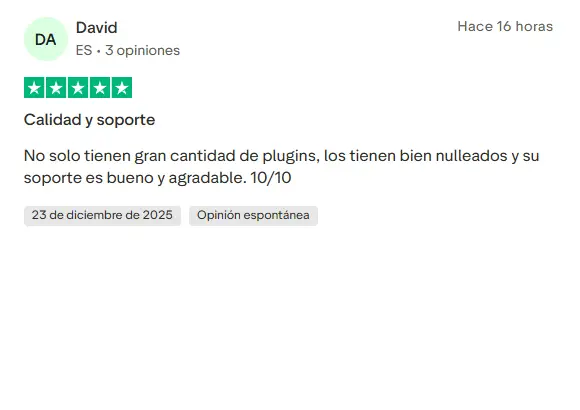
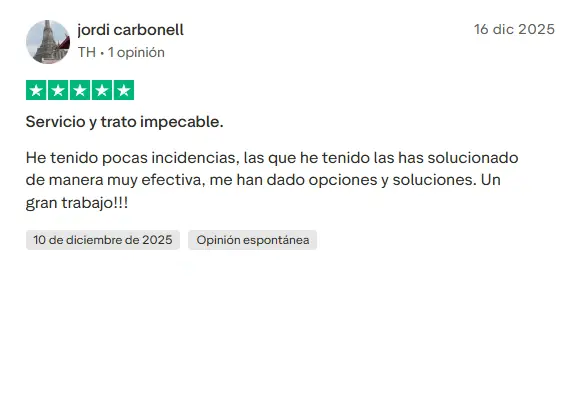
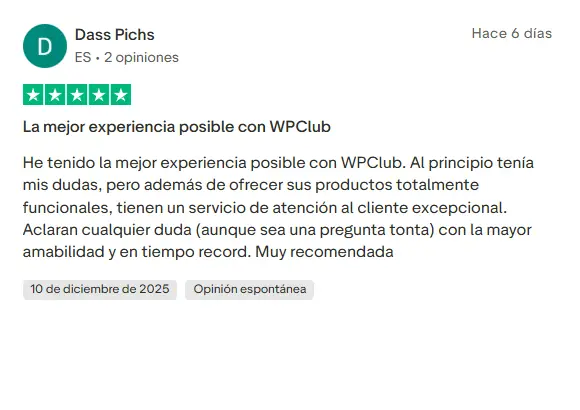
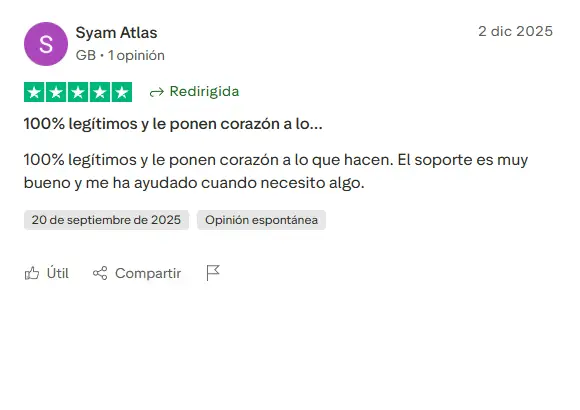
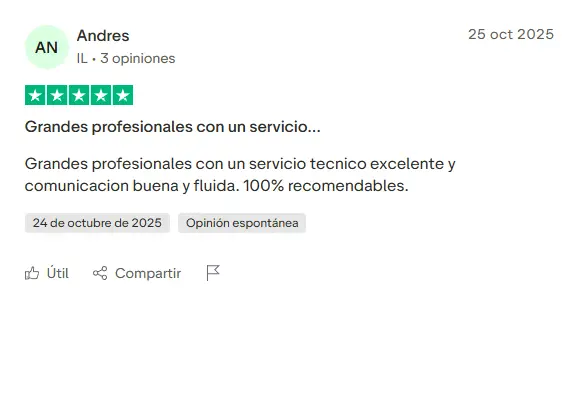
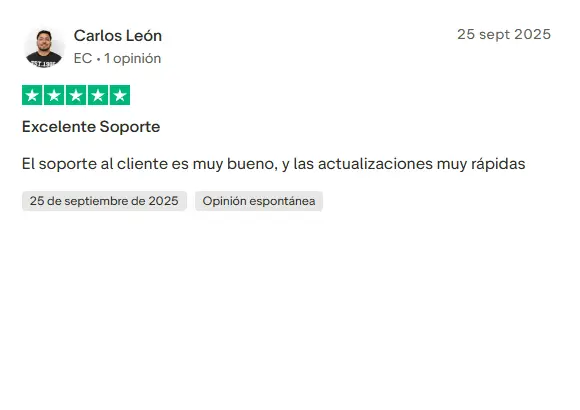
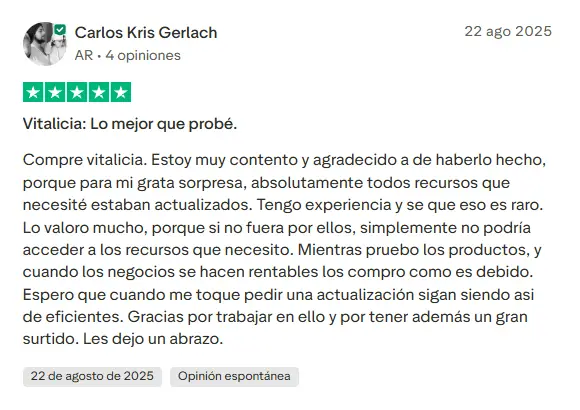
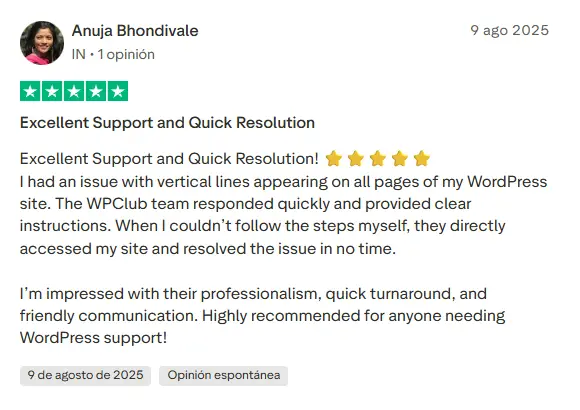
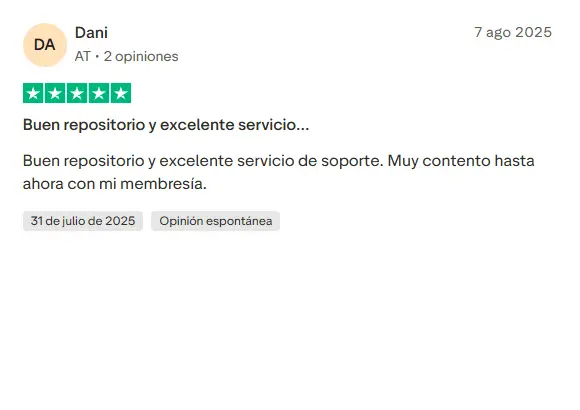
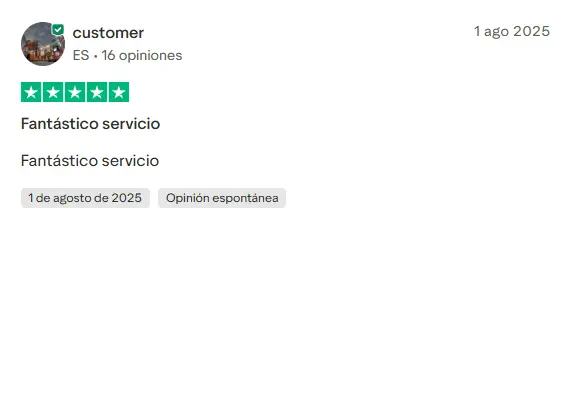
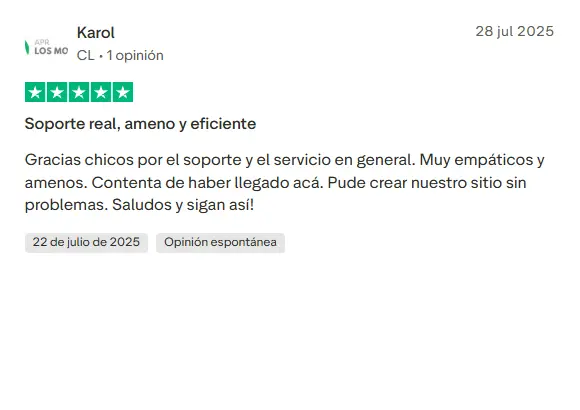
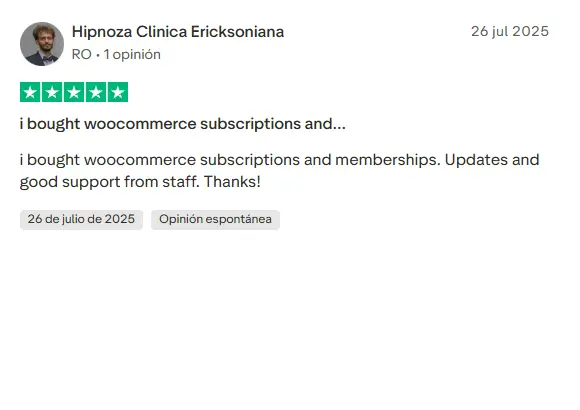
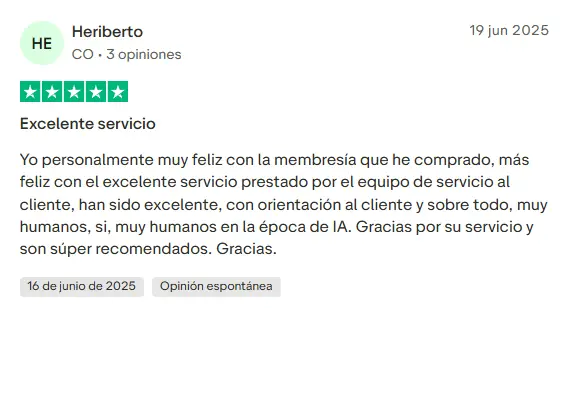
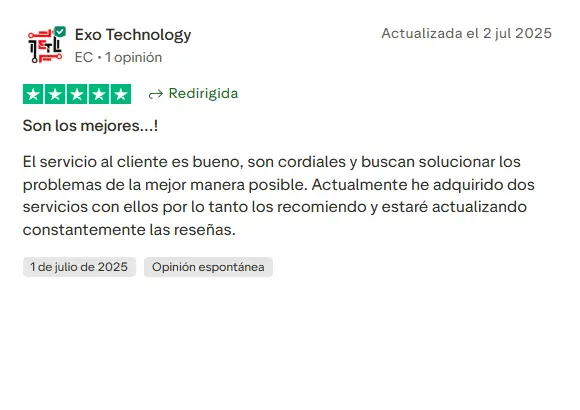
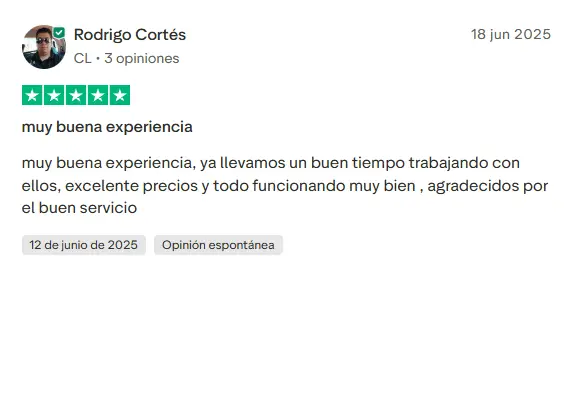
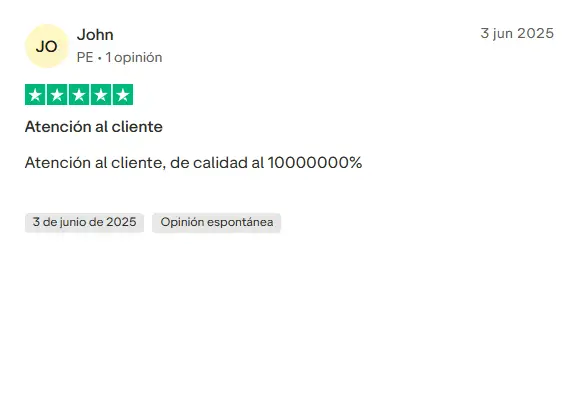
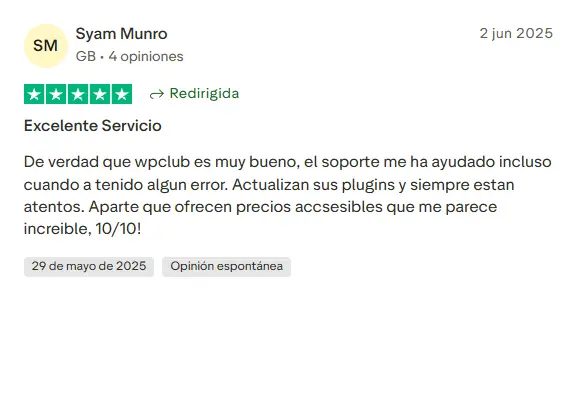
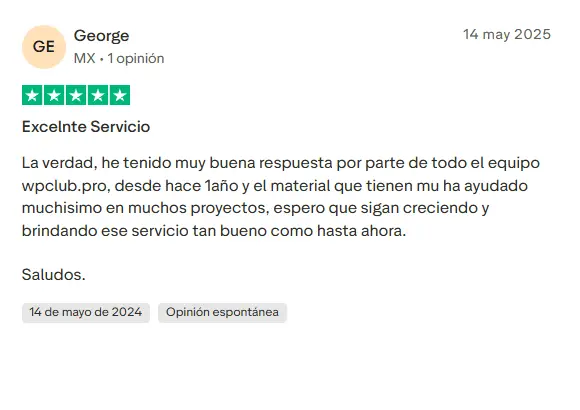
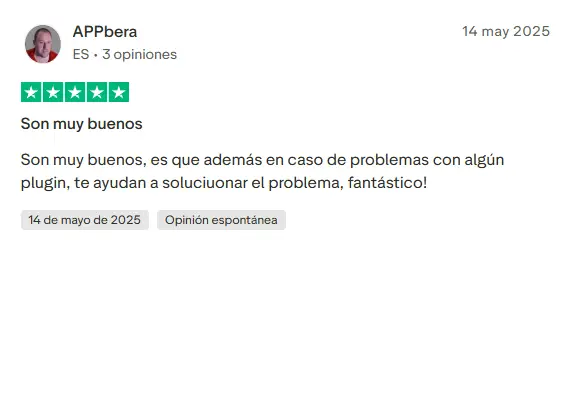
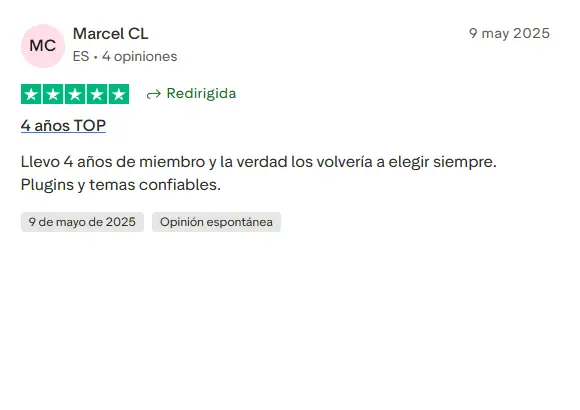
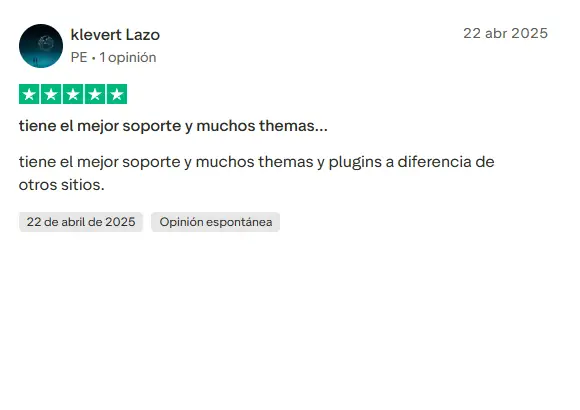
Our Reputation on Trustpilot
Many thanks to those who take the time to give us a rating on Trustpilot. Each and every one of your comments is very helpful to us. We strive to provide a rewarding experience for every member of our community, always with respect and care. We'll be here!

WPClub Memberships
Access our entire catalog for a single payment. We offer three memberships: Monthly, Annual, and Lifetime (One-Time Payment).
- Save thousands of dollars
- Unlimited daily downloads
- No recurring payments
- Fast downloads by AWS
- Quality service and support, validated since 2018
- We work with love for our community