
JetEngine for Elementor 3.8.12



- Secure Payment
- Support from Monday to Friday
- With you since 2018
$43.00 El precio original era: $43.00.$6.99El precio actual es: $6.99.
Quick summary
JetEngine for Elementor is an advanced plugin for building dynamic content in WordPress when working with Elementor. It allows you to create custom listings, tabs, and structures connected to dynamic fields, going beyond standard posts and pages. It's especially useful for projects where you manage many types of data (properties, courses, members, services) and need to display them in an organized, filterable, and easily maintainable way from the WordPress dashboard.
What problem does it help solve?
When working with WordPress and Elementor, there comes a point where posts and pages alone aren't enough. You need to display complex listings, detailed profiles, and relationships between content without resorting to custom development. The real problem arises when you start using cloned pages to "simulate" directories, catalogs, or profiles: every change involves editing dozens of pages, manually managing filters, and risking data inconsistencies.
If you've ever had a client ask you for "a property search engine by city, price, and features" or "a filterable and organized directory of professionals," and you end up putting together piecemeal solutions with individual Elementor widgets, you know the result is fragile. There's no clear system for content types, custom fields, or dynamic lists that automatically populate with that data. Maintenance becomes slow and unreliable.
JetEngine for Elementor addresses precisely that: structuring information into content types, fields, and relationships, and then converting that structure into visual lists and indexes with Elementor. Instead of inventing shortcuts, you have a coherent data model that supports advanced search, taxonomy filters, and conditional views, all while keeping everything centralized within WordPress.
Why this solution makes a difference
In real-world projects, the impact is noticeable in how you manage your day-to-day operations. With JetEngine for Elementor, you define the fields once (for example: area, price, location, category, difficulty level, availability) and then build listing and detail templates that are automatically populated with those fields. When you change a piece of information in the WordPress dashboard, it updates accordingly without you having to redesign anything.
On the other hand, working with dynamic listings integrated into Elementor changes the way you organize your interface. You can create grids, carousels, maps, or featured blocks that always display up-to-date content according to the rules you configure: filters, sorting, and visibility conditions. This reduces human error, avoids duplication, and keeps your website consistent even as your content catalog grows.
When you start noticing that your site needs sections like "directory," "catalog," "resources," or "members" with advanced search criteria, JetEngine for Elementor becomes the missing piece between Elementor's visual design and structured data management. You go from having static pages disguised as lists to having a real dynamic content system managed from the WordPress dashboard.
Signs you need this product
- You already manage many similar elements (properties, courses, events, professionals, testimonials) and you are creating them as cloned pages or posts.
- They ask for advanced filters on the web (by city, category, price range, date, level, tags) and you don't have a clear way to build them in Elementor without complex code.
- Managing changes is slow: modifying a common field involves entering data one by one across dozens of pages to update repeated information.
- The site has grown into a directory, marketplace, or resource repository, and you feel a loss of control over what fields each item has and how they are displayed.
- You are limiting ideas for functionalities because with the current tools you cannot generate coherent dynamic lists or relationships between different types of content.
When does it make sense to use it (and when doesn't)
JetEngine for Elementor provides real value when your site requires data structure beyond a traditional blog. If you manage catalogs, directories, service listings, event calendars, real estate portals, online academies with multiple courses, or any project where content needs to be filtered and organized, this extension becomes key to ensuring your Elementor design is built on a robust data model.
However, it's not necessary for very simple websites with few static pages, basic personal blogs, or landing pages where all the content is simply text and images without the need for dynamic lists or custom fields. In that context, Elementor alone is sufficient, and adding an advanced content management layer wouldn't offer any clear benefits compared to the added complexity in administration.
Who it fits best for
- Designers and developers who use Elementor to create sites with complex content structures, but want to maintain full control from the WordPress dashboard.
- Agencies that manage client projects with directories, industry portals, marketplaces, intranets or online campuses where information is organized into many types of related elements.
- Project owners who already suffer limitations with standard entries and pages and need to manage extensive catalogs or listings without delegating every technical change to a developer.
- Professionals who optimize conversion-oriented sites and need to display dynamic content based on filters, relationships between entities, or specific criteria defined in custom fields.
Practical benefits
- Real operational improvement: All relevant information is organized into defined content types and fields, so creating a new item (course, property, service) is as simple as filling out a structured form in WordPress.
- User experience: The people who edit the site work with clear interfaces, without having to worry about designing each page individually. Internal forms guide what information should be entered and how it will then be displayed.
- Control and organization: Having dynamic lists connected to dynamic fields allows you to have an organized view of the project, know which fields each type of content has and how they relate to each other.
- Time saving: When designing a single list template and a single detail template in Elementor, the rest is simply adding structured content. Global design or structure changes are made once and applied to the entire template.
- Error reduction: Avoiding manual copying of content reduces inconsistencies, missing fields, and outdated data on some pages. It all stems from a central system of fields and relationships that acts as the single source of truth.
How it fits within WordPress
Within the typical WordPress workflow, JetEngine for Elementor sits between content management and visual design with Elementor. First, you define the types of data you handle (for example, "Properties," "Courses," "Professionals," "Projects") and specify which fields each one requires. Then, from within Elementor, you use these dynamic fields to create cards, lists, and detail pages that automatically adapt to each element.
When working with WordPress in this context, you stop viewing content as a collection of static pages and instead understand your site as a well-designed database, with custom views that display exactly what you need in each section. JetEngine for Elementor bridges the gap between this structure and the layout, eliminating the need to develop custom templates in code while maintaining a high level of customization and organization.
Typical use cases
- A real estate portal that displays properties with filters for location, price, type and features, with detailed listings connected to custom fields and updated listings based on inventory.
- An online academy that organizes courses, teachers, and testimonials in different types of content, displaying catalogs that can be filtered by topic, level, or modality, and linking each course with its teacher and ratings.
- A directory of companies or professionals in which listings with specific data (services, areas of work, contact) are grouped and search engines are built by category, city or keywords accessible from different pages.
- A service marketplace where each offer has its own attributes and requires a dynamic listing that combines filters, sorting, and specific templates in Elementor for each type of service.
Frequently Asked Questions about JetEngine for Elementor
When does it make sense to switch to JetEngine for Elementor if I'm already using Elementor with posts and pages?
The need arises when your content ceases to be just articles and informational pages and becomes repeatable elements with a fixed structure: properties, courses, members, projects, reviews. If you've already found yourself managing everything with cloned pages, without defined fields, and with manual, one-by-one changes, it's a clear sign. JetEngine for Elementor allows you to transform these groups of pages into organized and easy-to-maintain content types.
What is the practical difference between using basic custom fields and using JetEngine for Elementor?
Basic custom fields allow you to add extra information, but they don't offer an integrated way to convert that data into lists and tabs designed with Elementor. JetEngine for Elementor unifies field creation, content type definition, and dynamic display. From a single environment, you configure what data you store, how it relates to other data, and how it's visually displayed, eliminating the need for multiple disconnected components or custom development.
Is it suitable for small projects or is it more geared towards websites with a lot of content?
It works in both scenarios, but its potential is most apparent in projects with a significant volume of structured content. On a website with few static pages, the advantage is limited. However, when working with dozens or hundreds of very similar elements that share fields (for example, a service catalog or a large directory), JetEngine for Elementor becomes the natural way to maintain order and control how that data is displayed in Elementor.
Can I continue designing freely in Elementor while using JetEngine for Elementor?
Yes. The approach involves continuing to use Elementor as a visual builder, but feeding its widgets and templates with dynamic data defined in JetEngine for Elementor. Instead of writing text and prices directly into each widget, you link them to specific fields. This way, you maintain design freedom (layout, styles, composition) while gaining a centralized system for updating information without affecting each individual design.
What happens if I need to add new fields or change the content structure later on?
The advantage of working with a defined structure is that you can adjust the data model from the WordPress dashboard without having to rebuild the entire site. If you decide to add a new field to your courses, properties, or services, you incorporate it into JetEngine for Elementor and then integrate it into the corresponding Elementor templates. The existing content adapts to the new structure without needing to build pages from scratch again.
Conclusion
JetEngine for Elementor is designed for projects where content is no longer just text and a few images, but structured information that needs to be organized, filtered, and displayed consistently within Elementor. When a site starts behaving like a directory, catalog, or data portal, this type of approach makes all the difference between a website that's difficult to maintain and a well-organized, scalable, and easy-to-manage system from within WordPress.
Latest update:

Written by: WPClub
With over seven years of experience curating, managing, and distributing GPL products, our content is based on hands-on experience, technical review, testing, and feedback from thousands of users. We aim to democratize and simplify the WordPress world so you can choose with confidence, speed, and ease.
Your Individual Purchase Includes:
- Lifetime updates.*
- Official product, ready to use.
- Immediate access to the product.
- Clean and virus-free files.
- GNU GPL V2/V3 License
- Technical support in Spanish and English.
* In the case of memberships, the period during which you will receive updates will depend on the type of membership purchased: monthly, annual, or lifetime.
Notify Update
We update products Monday through Friday. However, if the product you see is not yet updated, you can notify us so we can prioritize updating it whenever possible.
Get your questions answered here
Here you'll find answers to frequently asked questions about our service: how it works, what it includes, and how to get the most out of it.
On how many websites can I use the products?
You can use any product from our store on any website you want.
Will I get updates?
Absolutely. If you buy an individual product, you'll get lifetime updates for that product.
On the other hand, if you purchase a membership, you will receive updates until your membership expires.
What if I have a problem?
First of all, we want you to know that you can count on us. We will assist you and provide the necessary support, so you can rest assured.
On the other hand, it is important for you to know that, given the time difference between countries, your time and ours may not be the same, so we will be delayed accordingly.
Our opening hours start at 9 AM from Monday to Friday, UTC -3. We are open until around 6 PM.
Do they provide technical support?
Yes, and regarding the time, it is usually on average within 24 to 48 business hours.
However, there are times when we have already provided an answer and solution in less than a day, depending on the case.
Are there download limits?
No. We don't believe in that format, so you can download as many times as you want. No problem. We pay for high-quality professional storage precisely to avoid problems.
Do they provide license keys?
No. Giving out the keys is not a viable option, as we have had experiences where they end up circulating everywhere and we can even lose the associated accounts.
That said, all products are original and, in cases where a license key is required to function, we will take care of pre-activating them for you.
Does my purchase include an invoice?
Yes. After payment, you will be able to access your invoice immediately in the "Purchases" section of your user account.
That is why it is important that you properly complete the information requested at the time of payment.
Is there a warranty?
Yes, of course. If there's a problem we can't resolve, or if there's an external issue that doesn't have a general solution, you'll receive support and, if necessary, a full refund. We have a 14-day refund policy from the date of purchase.
- It should be noted that there is no warranty if the product works well and it simply wasn't what you wanted.
There have been instances where someone buys a product, the product works perfectly, but they don't like it and want a refund, keeping the product. That's not right.
However, everything is evaluable and reasonable. Let's use judgment together.
What are the opening hours?
Our opening hours are:
- Monday to Friday, from 9 a.m. to 6 p.m.
- Saturday and Sunday: No service.
UTC -3 time

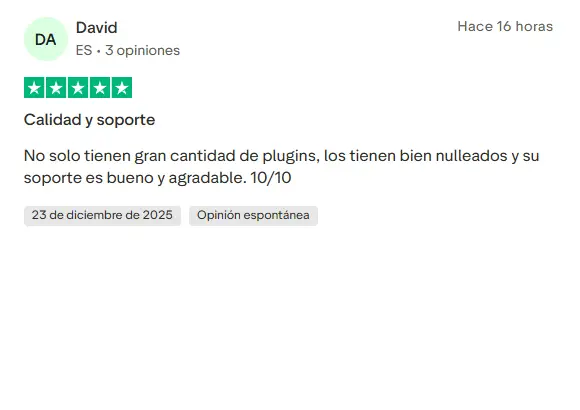
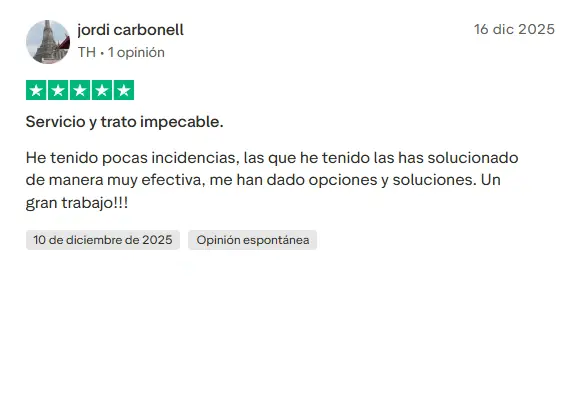
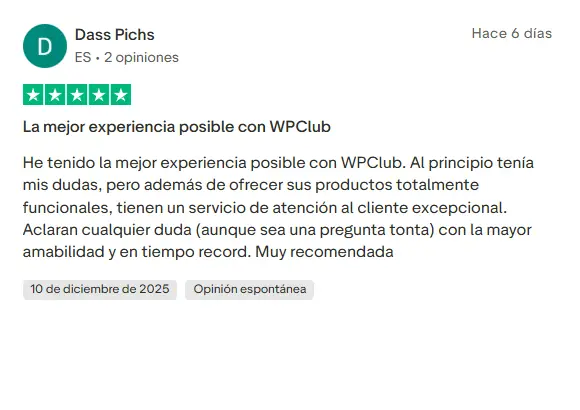
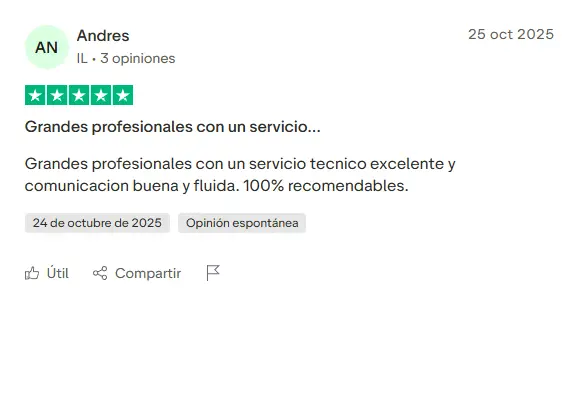
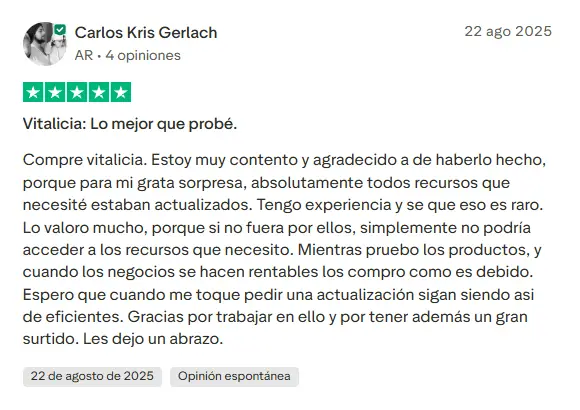
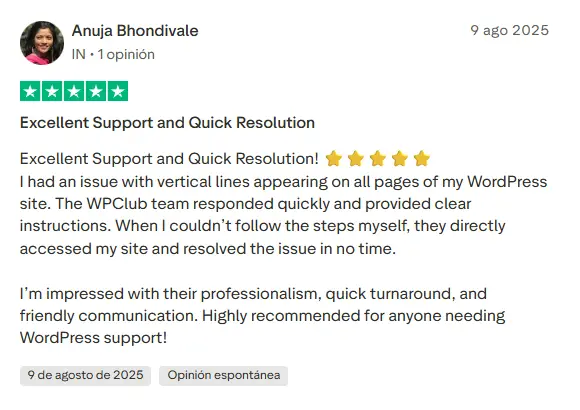
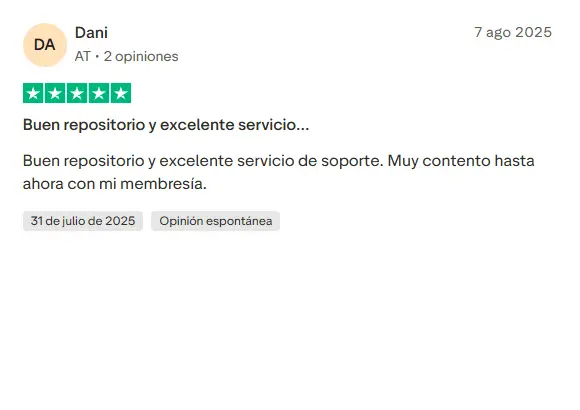
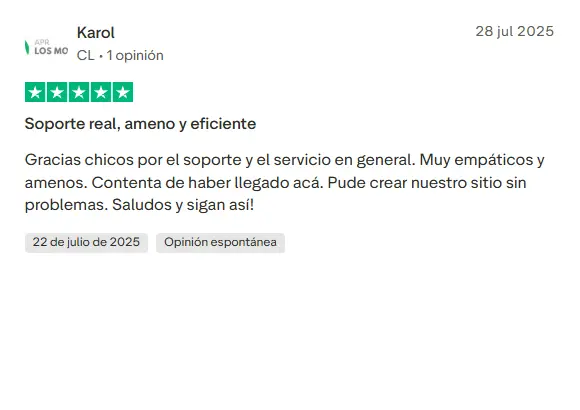
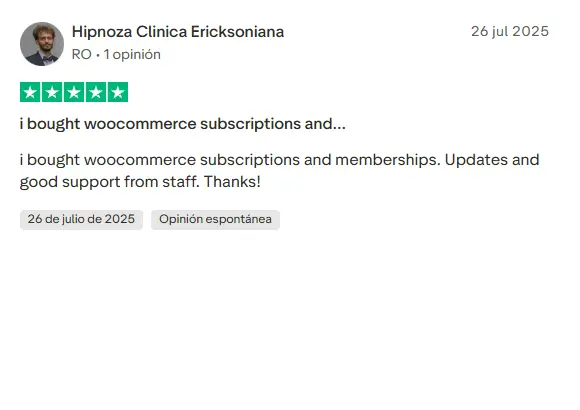
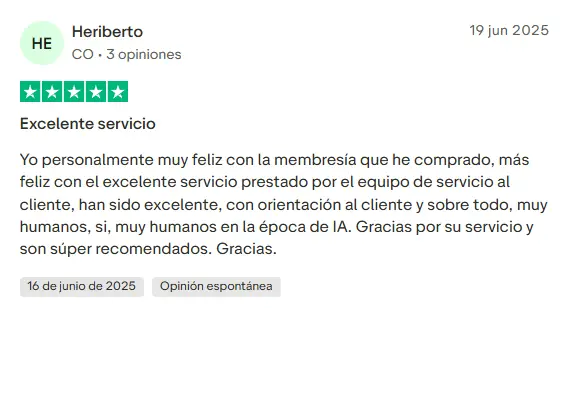
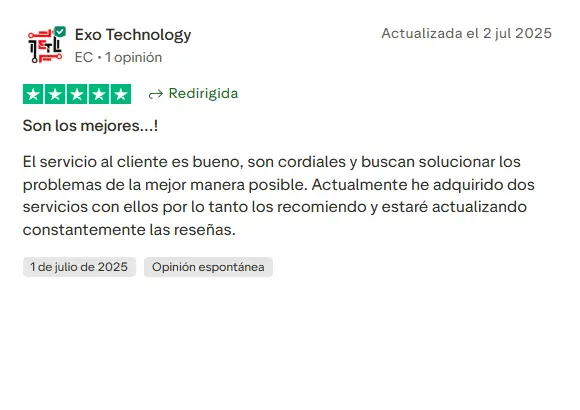
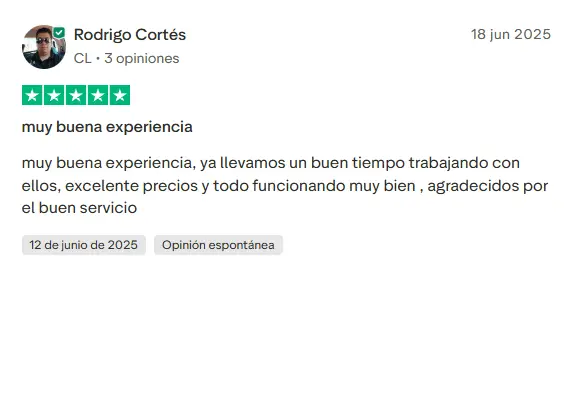
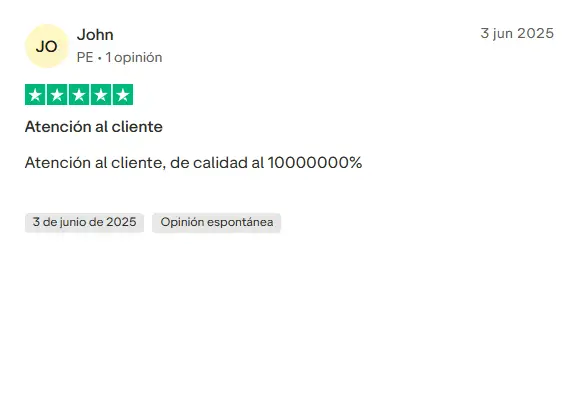
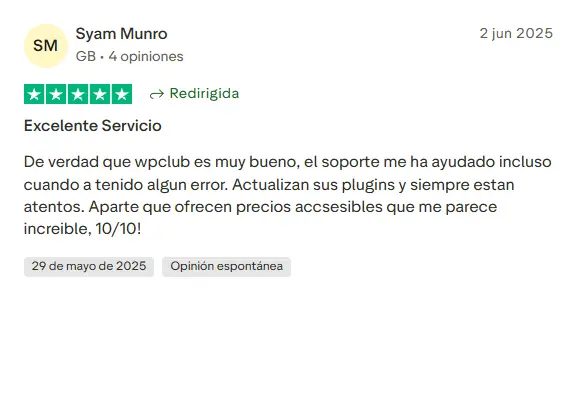
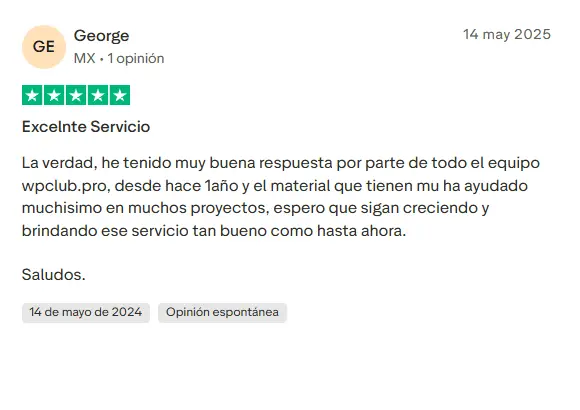
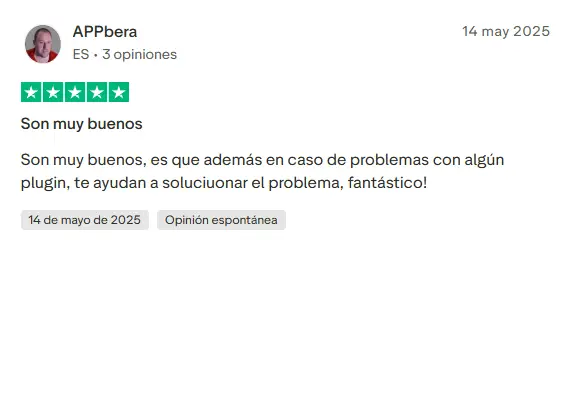
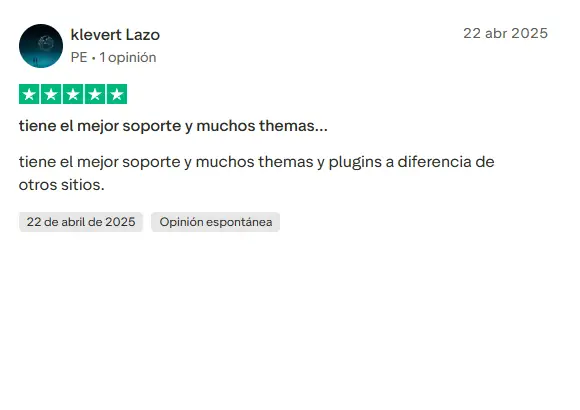
Our Reputation on Trustpilot
Many thanks to those who take the time to give us a rating on Trustpilot. Each and every one of your comments is very helpful to us. We strive to provide a rewarding experience for every member of our community, always with respect and care. We'll be here!




WPClub Memberships
Access our entire catalog for a single payment. We offer three memberships: Monthly, Annual, and Lifetime (One-Time Payment).
- Save thousands of dollars
- Unlimited daily downloads
- No recurring payments
- Fast downloads by AWS
- Quality service and support, validated since 2018
- We work with love for our community