
Storefront Powerpack 1.6.3


- Secure Payment
- Support from Monday to Friday
- With you since 2018
$59.00 El precio original era: $59.00.$5.99El precio actual es: $5.99.
Quick summary
Storefront Powerpack is a dedicated extension for the WooCommerce Storefront theme that allows you to customize the design, layout, and visual elements of your store without touching any code. It's designed for Storefront users who feel their store's appearance falls short: online store owners, developers, and agencies who need to quickly and precisely adjust visual and layout details from within the WordPress dashboard.
What problem does it help solve?
When working with Storefront, there comes a point where the default structure starts to limit what you want to convey with your brand. Colors that don't quite fit, product page sections you can't rearrange, text that looks too generic, or elements that appear where you don't want them. If you've already found yourself spending more time searching for code snippets and tutorials than actually managing your catalog, the problem is clear: Storefront doesn't allow you to visually refine your store with the flexibility you need.
In real-world projects, this translates to product pages that look very similar, categories that don't highlight key elements, and a shopping experience that's poorly aligned with your brand identity. When you start noticing that you want to change "just one detail" of the design and end up opening the theme editor, editing functions.php, or copying CSS without being entirely sure, you're exceeding Storefront's initial scope. What's missing is a dedicated layer that gives you specific visual control for that template while maintaining standard WooCommerce logic.
Why this solution makes a difference
Storefront Powerpack introduces a settings panel dedicated exclusively to shaping the look and feel of your Storefront-based store. Instead of tinkering with theme files or testing code snippets of unknown origin, you have clear options focused on specific elements: header, footer, product listings, individual product templates, and more. The immediate impact is that design decisions shift from the developer to the business owner or implementer, without sacrificing consistency.
In day-to-day operations, this means less time spent correcting minor visual details and more time dedicated to fine-tuning messages, featured products, and promotions. The practical difference is that changes are made directly within the WordPress environment, with previews that accurately reflect the store's actual design. This reduces errors caused by manual modifications, prevents broken styles after minor changes, and allows for much finer control over how products are presented to the end customer.
Signs you need this product
- Problem already present on the site: Have you tried to change the appearance of key Storefront pages with custom CSS or code in your child theme and encountered inconsistent or difficult-to-maintain results?.
- Friction in WordPress or WooCommerce: Each visual modification requires you to go to a developer or review technical tutorials, which delays campaigns, collection launches, and seasonal catalog adjustments.
- Loss of control or time: Small changes, such as rearranging blocks on the product page or adjusting the way categories are displayed, are too time-consuming and generate insecurity for fear of "breaking" the store.
- Typical growth scenario: Your ecommerce has grown from a few items to a larger catalog, and you need Storefront's visual structure to support that growth with clearer sections, visual hierarchy, and better information presentation.
When does it make sense to use it (and when doesn't)
Storefront Powerpack makes sense when you've decided to keep Storefront as the foundation of your store, but want to elevate its presentation to a level more aligned with your brand without resorting to custom development. It's especially useful in situations where the theme's native options fall short and you want to make design decisions directly from your marketing or store management team, without constantly relying on code template changes.
On the other hand, there are cases where it's not necessary. If your project is just starting out, you're using Storefront almost "out of the box," and you don't find its appearance jarring, you're probably not getting the most out of it yet. It also doesn't make sense if you're already using a completely different theme with its own layer of advanced visual customization. In that context, what you need is to work with the tools built into that theme, not add a package specifically designed for Storefront.
Who it fits best for
- Owners of growing online stores: People who manage their own ecommerce with Storefront and want to adjust design, blocks and visual details without getting into programming, while maintaining direct control over the presentation of their catalog.
- WordPress and WooCommerce Implementers: Professionals who create stores for third parties and need a structured way to adapt Storefront to different brand identities without building each customization from scratch.
- Digital agencies and studios: Teams managing multiple Storefront projects are looking for a repeatable method to offer stores with a differentiated appearance, but based on the same stable technical foundation, reducing custom layout times.
Practical benefits
- Real operational improvement: Visual changes are concentrated in a cohesive panel, which avoids scattered interventions across multiple theme files and makes it easier for the team to know exactly "where what is changed".
- User experience: Storefront-based store navigation better suits your business priorities, highlighting what's important to the customer without sacrificing clarity or usability.
- Control and organization: Instead of relying on notes with CSS snippets pasted from different sources, you centralize the visual configuration in an environment designed for it, which is easier to review and document internally.
- Time saving: Tasks that previously required several rounds of adjustments with a developer are now resolved from the dashboard, streamlining campaigns, seasonal adjustments, rebranding changes, and A/B testing of product presentations.
- Error reduction: By not directly modifying sensitive Storefront files, the risk of leaving the store with inconsistent styles or misplaced elements after small visual changes is reduced.
How it fits within WordPress
Storefront Powerpack integrates as an additional configuration layer focused on the appearance of a site that already uses Storefront as its base theme. From a WordPress workflow perspective, it sits right between the content (products, pages, posts) and the theme code. In this context, it functions as an intermediary panel that allows you to customize the design without having to edit themes or resort to custom development for each setting.
In real-world projects, this means the catalog and marketing team can directly manage the store's appearance, while the technical team focuses on tasks with greater structural impact. The core logic of WordPress and WooCommerce remains unchanged; what changes is the ability to visually adapt Storefront to each business's commercial objectives without disrupting that stability.
Typical use cases
- Real-world use in ecommerce: Stores that already work with Storefront are starting to run more sophisticated campaigns, where they need to highlight featured products, group collections, or reinforce key messages without completely redesigning the theme.
- Specific case study: A business that has changed its visual identity (colors, fonts, communication style) requires that the Storefront-based store accompany that change in an orderly manner, without redoing the entire development from scratch.
- Situation where it provides direct value: When you start to notice that every small idea for visual improvement becomes a mini-technical task, Storefront Powerpack allows those improvements to be channeled from an environment designed for design adjustments, with a direct impact on the end customer's perception.
Frequently Asked Questions about Storefront Powerpack
How does Storefront Powerpack differ from switching to another WooCommerce theme?
Storefront Powerpack is designed for those who want to continue using Storefront as a foundation for its stability and structure, but need more aesthetic control. Changing themes involves adopting a new design logic and potentially adjusting templates, menus, and widgets. In contrast, this package allows you to maintain Storefront's familiar architecture and adds a layer focused on customizing appearance and layout, without having to redo all your previous work or invest time in migrating visual configurations.
What types of visual changes are best managed with Storefront Powerpack?
Storefront Powerpack focuses on adjustments related to the store's presentation: section organization, product page visuals, catalog element layout, and branding details within the Storefront framework. It's especially useful when you want to align the look and feel with your brand, improve the readability of key information, and give more prominence to certain sections, without constantly resorting to custom code or modified templates.
Is it suitable if I work with multiple Storefront-based projects?
For implementers or agencies managing stores with Storefront, Storefront Powerpack helps unify the design workflow, eliminating the need for specific development for recurring details on each project. It establishes a clear methodology: first, the structure and catalog are defined, and then the visual aspects are refined directly from the dashboard. This makes it easier to replicate best practices across projects, document internal processes, and reduce reliance on manual coding for each new e-commerce site.
What happens if I don't use Storefront Powerpack in a store that already feels visually inadequate?
If you continue using Storefront without a dedicated layer for fine-tuning design, you'll typically end up accumulating small patches: scattered CSS, snippets added to a child theme, and hard-to-track template changes. This becomes apparent as your catalog grows and your store needs to project a more professional and consistent brand image. The risk is that each future modification will become more expensive, and business owners will have less room to adjust the presentation without ongoing technical support.
Does it make sense to use Storefront Powerpack if I barely touch my store's design?
If you're happy with Storefront's default look, your catalog is small, and you don't anticipate significant changes to your visual identity or structure, Storefront Powerpack won't be a priority. In that scenario, the base theme already serves its purpose without creating friction. The need arises when your store starts demanding more visual nuances: you want to better highlight products, reorganize information, or strengthen your brand without changing themes or undertaking custom development for every aesthetic adjustment.
Conclusion
Storefront Powerpack exists to fill a clear gap: when Storefront convinces you structurally, but the store's presentation doesn't quite keep pace with your business's evolution. It provides a more organized and accessible way to fine-tune the appearance, reducing technical dependencies for day-to-day adjustments. If your e-commerce site is already growing and the design is starting to limit your business decisions, adding this specific customization layer to Storefront becomes a logical step in your WordPress strategy.
Latest update:

Written by: WPClub
With over seven years of experience curating, managing, and distributing GPL products, our content is based on hands-on experience, technical review, testing, and feedback from thousands of users. We aim to democratize and simplify the WordPress world so you can choose with confidence, speed, and ease.
Your Individual Purchase Includes:
- Lifetime updates.*
- Official product, ready to use.
- Immediate access to the product.
- Clean and virus-free files.
- GNU GPL V2/V3 License
- Technical support in Spanish and English.
* In the case of memberships, the period during which you will receive updates will depend on the type of membership purchased: monthly, annual, or lifetime.
Notify Update
We update products Monday through Friday. However, if the product you see is not yet updated, you can notify us so we can prioritize updating it whenever possible.
Get your questions answered here
Here you'll find answers to frequently asked questions about our service: how it works, what it includes, and how to get the most out of it.
On how many websites can I use the products?
You can use any product from our store on any website you want.
Will I get updates?
Absolutely. If you buy an individual product, you'll get lifetime updates for that product.
On the other hand, if you purchase a membership, you will receive updates until your membership expires.
What if I have a problem?
First of all, we want you to know that you can count on us. We will assist you and provide the necessary support, so you can rest assured.
On the other hand, it is important for you to know that, given the time difference between countries, your time and ours may not be the same, so we will be delayed accordingly.
Our opening hours start at 9 AM from Monday to Friday, UTC -3. We are open until around 6 PM.
Do they provide technical support?
Yes, and regarding the time, it is usually on average within 24 to 48 business hours.
However, there are times when we have already provided an answer and solution in less than a day, depending on the case.
Are there download limits?
No. We don't believe in that format, so you can download as many times as you want. No problem. We pay for high-quality professional storage precisely to avoid problems.
Do they provide license keys?
No. Giving out the keys is not a viable option, as we have had experiences where they end up circulating everywhere and we can even lose the associated accounts.
That said, all products are original and, in cases where a license key is required to function, we will take care of pre-activating them for you.
Does my purchase include an invoice?
Yes. After payment, you will be able to access your invoice immediately in the "Purchases" section of your user account.
That is why it is important that you properly complete the information requested at the time of payment.
Is there a warranty?
Yes, of course. If there's a problem we can't resolve, or if there's an external issue that doesn't have a general solution, you'll receive support and, if necessary, a full refund. We have a 14-day refund policy from the date of purchase.
- It should be noted that there is no warranty if the product works well and it simply wasn't what you wanted.
There have been instances where someone buys a product, the product works perfectly, but they don't like it and want a refund, keeping the product. That's not right.
However, everything is evaluable and reasonable. Let's use judgment together.
What are the opening hours?
Our opening hours are:
- Monday to Friday, from 9 a.m. to 6 p.m.
- Saturday and Sunday: No service.
UTC -3 time

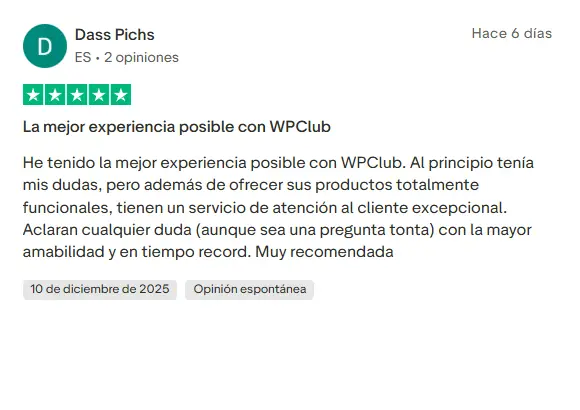
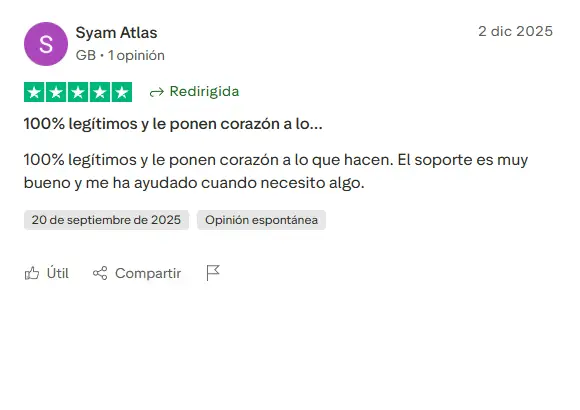
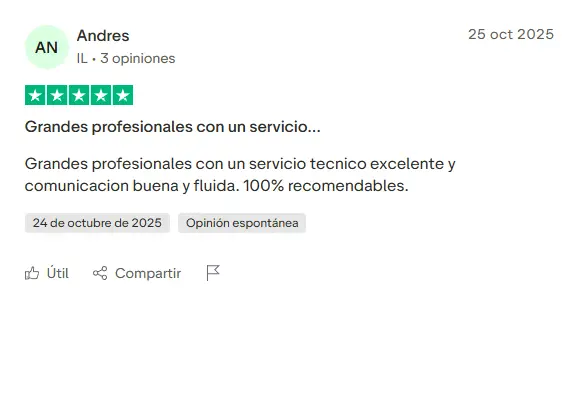
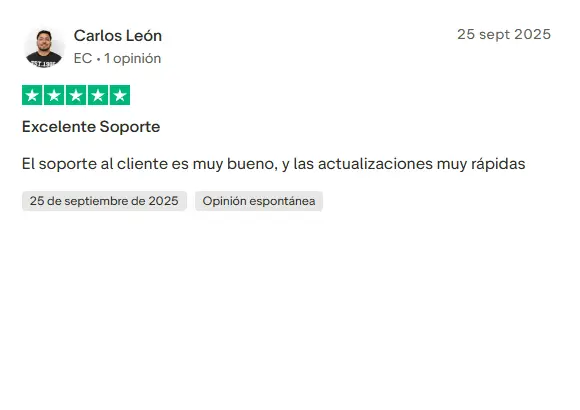
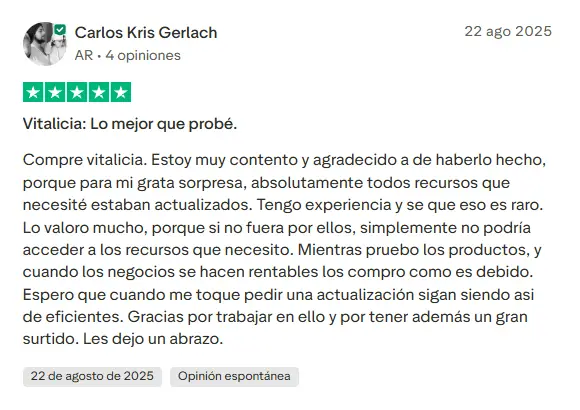
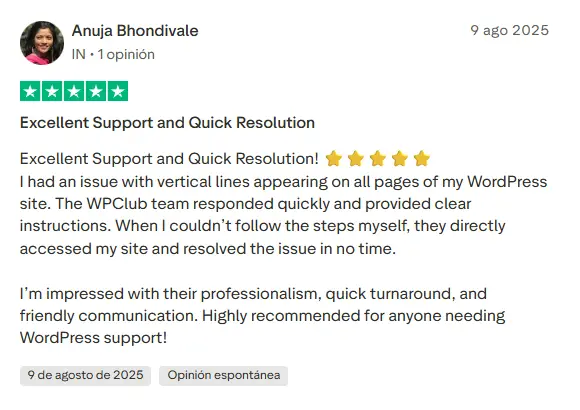
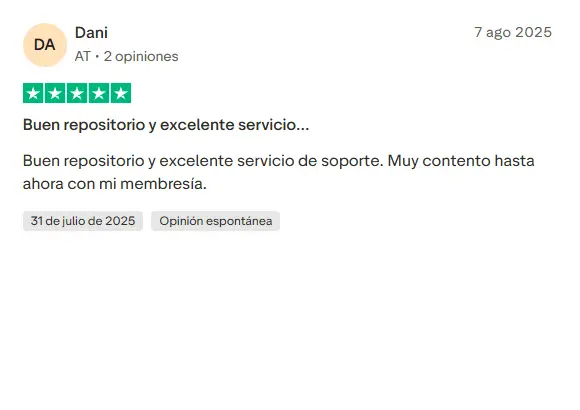
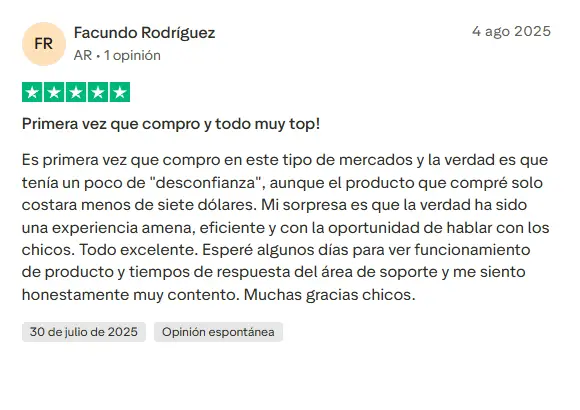
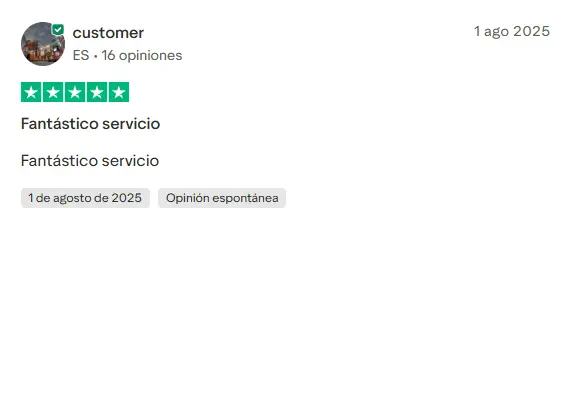
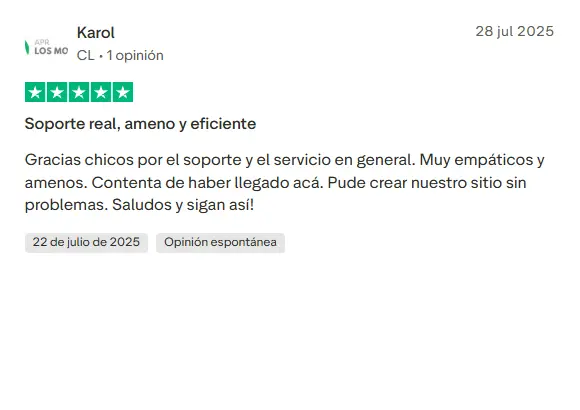
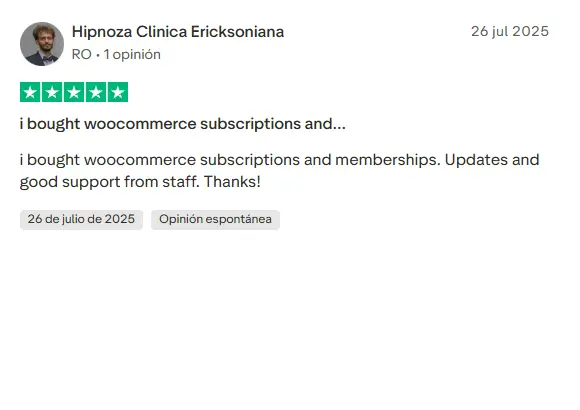
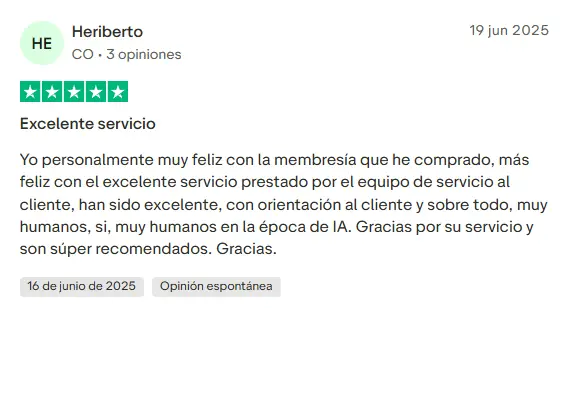
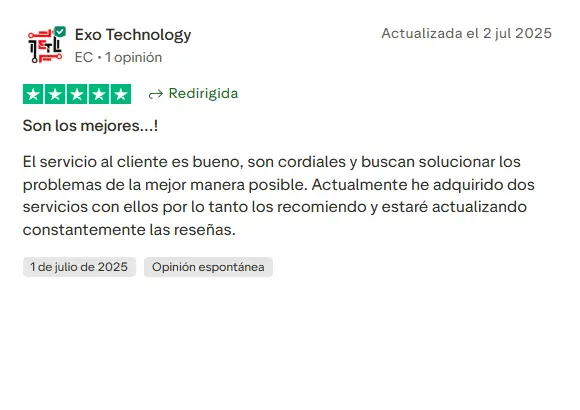
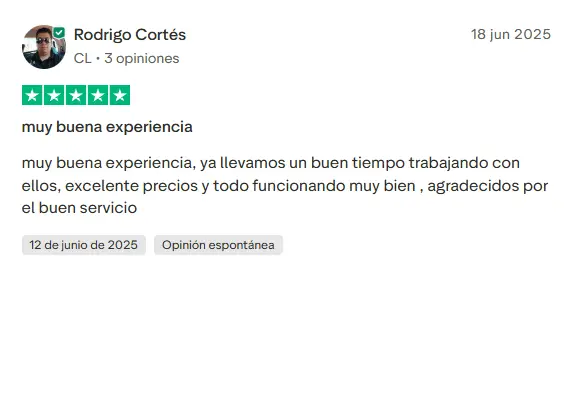
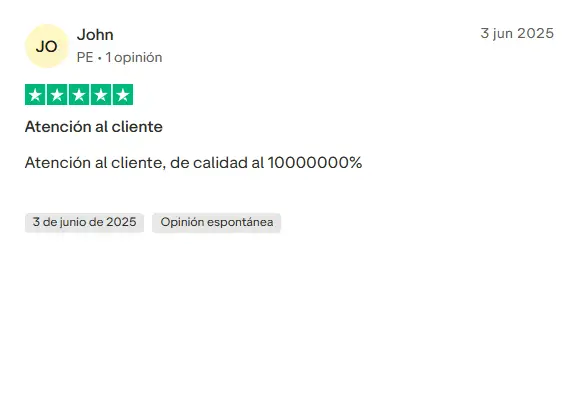
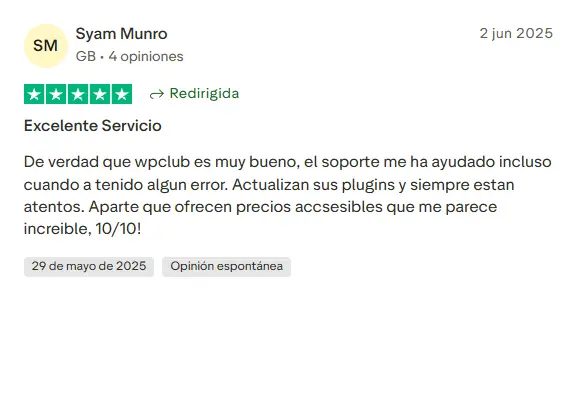
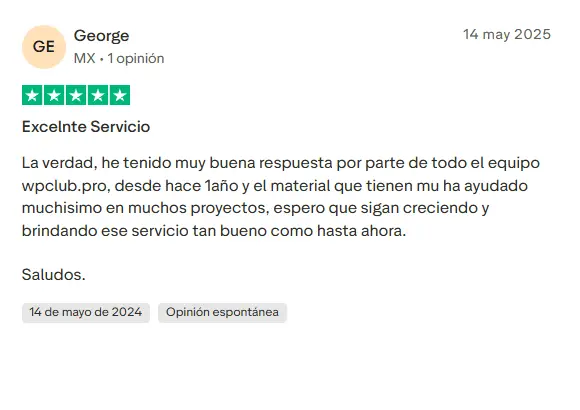
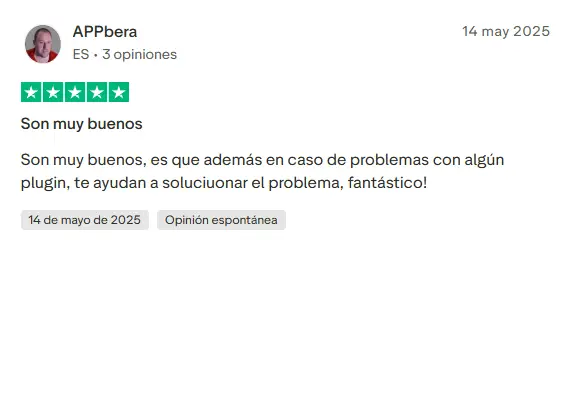
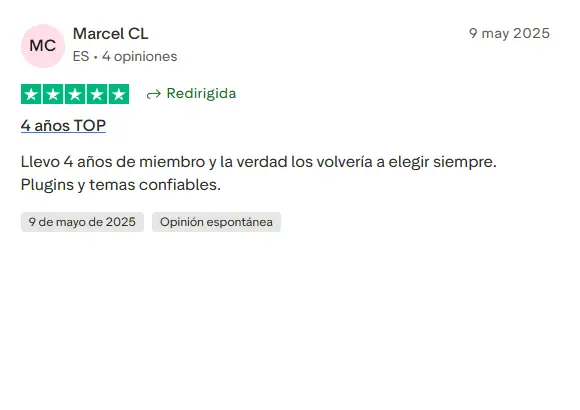
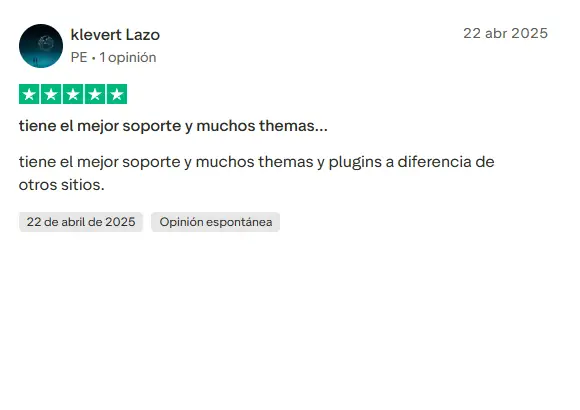
Our Reputation on Trustpilot
Many thanks to those who take the time to give us a rating on Trustpilot. Each and every one of your comments is very helpful to us. We strive to provide a rewarding experience for every member of our community, always with respect and care. We'll be here!
WPClub Memberships
Access our entire catalog for a single payment. We offer three memberships: Monthly, Annual, and Lifetime (One-Time Payment).
- Save thousands of dollars
- Unlimited daily downloads
- No recurring payments
- Fast downloads by AWS
- Quality service and support, validated since 2018
- We work with love for our community