
White Label Pro 2.18.4


- Secure Payment
- Support from Monday to Friday
- With you since 2018
$39.00 El precio original era: $39.00.$6.99El precio actual es: $6.99.
Quick summary
White Label is a plugin focused on thoroughly customizing the appearance and identity of the WordPress admin panel. It's designed for agencies, freelance developers, and site managers who deliver projects to clients and want to hide unnecessary technical references, simplify menus, and offer a consistent brand experience without affecting the website's public functionality.
What problem does it help solve?
In many WordPress projects, the admin panel ends up cluttered with third-party logos, menus the client doesn't understand, and confusing messages. When you deliver a site, the client logs into the dashboard and is confronted with ads, duplicate elements, pages they shouldn't touch, and access to advanced features they don't know how to interpret. This results in constant questions, errors from accidental clicks, and a feeling of using a foreign system instead of a platform aligned with their business.
If you've ever had a client break something on the site by going where they shouldn't have, or open support tickets just to ask "what's this notification at the top of my screen?", the problem isn't just training; the dashboard isn't adapted to their needs. In real-world projects, this is exacerbated when multiple plugins are added, each with its own menu, notifications, and branding, turning the desktop into an intimidating environment for any non-technical user.
White Label directly addresses this scenario: it allows you to clean, reorganize, and rebrand the administration area so that the client perceives a clear interface, featuring their company logo and colors, without unnecessary menus or messages that don't add value. In this way, the back-end ceases to be a "WordPress technical panel" and becomes a manageable work environment for any marketing, content, or internal management team.
Why this solution makes a difference
The main difference lies in the day-to-day experience for those using the dashboard. White Label doesn't change the public-facing part of the site, but rather how internal users interact with WordPress. By hiding irrelevant elements, renaming menus, and adapting the dashboard's appearance, it reduces friction and focuses attention on key tasks: creating content, reviewing orders, managing forms, or updating products, without distractions.
When you start noticing that the people managing the site are getting lost in menus, can't remember where things are, or are overwhelmed by too many options, the problem is no longer functionality, but clarity. White Label allows the technical lead to create a curated environment where only the sections the client needs appear, with names that make sense for their business. This reduces operational errors, minimizes basic queries, and saves time for everyone involved.
On the other hand, in projects where branding is important, seeing the company logo on the login screen and within the dashboard reinforces the professional perception of the service. Delivering a "generic" WordPress site is not the same as delivering a dashboard tailored to the project's visual identity, especially when managing client portals, intranets, online academies, or stores with multiple internal users.
Signs you need this product
- Customers frequently ask what notices or menus on the administration panel mean and are afraid to touch anything.
- There is friction in WordPress because the dashboard is saturated with menus of different plugins and elements that the end user will never use.
- There is a loss of control or time because the technical team must correct errors generated by improper access to advanced panel options.
- The project has grown to the point where several people are managed within the same site and you need a cleaner environment that is more aligned with the brand.
When does it make sense to use it (and when doesn't)
White Label makes sense when you deliver websites to third parties or manage projects where various non-technical users access the back end. In that context, adapting the desktop's visual identity, reorganizing menus, and hiding sensitive options becomes a direct way to reduce issues and increase client autonomy. It's also useful when you want to present your work as a more integrated platform, without vendor logos plastered everywhere.
This arises when you start maintaining multiple client sites and they all share the same complaint: “the dashboard is complex” or “there are too many things I don’t understand.” If your role includes delivering a clear environment, White Label helps you take that step without touching the front end. However, if you work alone on your own project, have WordPress experience, and are the only person who accesses the dashboard, this type of internal customization isn’t a priority. In that case, you might not need to modify the dashboard and managing the standard settings will suffice.
Who it fits best for
- Digital agencies that create and manage multiple sites for clients and want to deliver a customized administrative panel without unnecessary elements.
- Freelance developers seeking to offer a more professional experience when delivering projects, preventing the client from perceiving WordPress as something complex or chaotic.
- Internal teams of companies that manage intranets, academies or online stores with multiple non-technical users and need a more guided and brand-consistent environment.
Practical benefits
- Real operational improvement by reducing access to sensitive areas of the panel and focusing each user on the sections they really need for their daily work.
- A clearer user experience for the customer, who finds a desktop aligned with their brand, without extraneous messages or elements that generate distrust.
- Greater control and organization in the back-end, since the menu structure and desktop presentation respond to the logic of the project, not to the chaotic sum of installed add-ons.
- Time savings for both the service provider and the customer, reducing basic queries and preventing the technical team from having to explain over and over again what not to touch.
- Reduction of errors resulting from accidental clicks in advanced settings or menus not intended for the end user.
How it fits within WordPress
Within the WordPress ecosystem, White Label operates on the administration layer, not on public content or theme design. Its role is in the project's delivery and maintenance phase: once the front-end and internal workflows are defined, it's used to adapt the dashboard to the realities of those who will use it daily. In real-world projects, this translates to less clutter in the dashboard, more direct access to frequently used actions, and a perception of a "custom" platform rather than a generic content management system.
When working with WordPress, it's common to focus solely on the design of the homepage, internal pages, and sales or lead generation functionalities. White Label comes into play when the focus shifts to internal usability: how the team organizes itself to keep content fresh, review orders, answer inquiries, or publish news. In this context, its role is clear: to shape the back-end to support the actual workflow of the project.
Typical use cases
- Online stores managed by sales or administrative staff who only need to see orders, products and basic reports, preventing them from entering advanced configuration menus that are not part of their tasks.
- Corporate or institutional portals where several content editors update news, documents or pages, and a simplified desktop with direct access to relevant editorial sections is required.
- Agency projects where several sites are delivered per year and an internal standard is sought: all client panels with adapted branding, organized menus and a consistent experience, regardless of the extensions used.
Frequently Asked Questions about White Label
What kind of visual changes can be applied to the panel with White Label?
White Label is designed to modify the appearance of the administration area, focusing on elements such as the logo, login text, and dashboard aspects to align them with the brand identity. In real-world projects, it's used to ensure clients see their own branding from the login screen and within the dashboard, preventing the feeling of using a foreign platform. It doesn't affect the public-facing design of the site, but only the internal experience of those managing the content.
How does delivering a White Label site help the customer relationship?
By delivering a project with a configured White Label interface, the client perceives a more organized environment that aligns with their brand, conveying professionalism and trust. If you've ever experienced a client being negatively impressed by a desktop cluttered with extraneous elements, customizing the interface reduces that initial impact. Furthermore, by seeing only what they need within a cohesive visual style, the user better understands how to work and feels that the system is tailored to their specific requirements, rather than dealing with a generic tool.
Does White Label replace a theme or other admin plugins?
White Label does not replace the theme that defines the site's public design, nor does it replace extensions that add business functions. Its focus is on the administration environment: it organizes and personalizes what users see when they log into the dashboard. It doesn't handle front-end layout or content creation, but rather how the back-end is presented and structured. Therefore, it coexists with the other project components, specifically impacting the internal management experience.
Is it useful in projects where the client is already very familiar with WordPress?
Even when the client is proficient in WordPress, White Label offers value if branding and internal organization are important. An advanced user benefits from a dashboard without redundant menus, with a hierarchy designed for their workflow, and with an image consistent with the company the site represents. In corporate environments, where visual consistency is key, seeing the company's identity displayed on the dashboard reinforces the feeling of an integrated platform and reduces the impression of simply managing "another WordPress site.".
What happens if the people responsible for using the panel change in the future?
When site managers rotate, a pre-organized dashboard with white labeling facilitates the transition. The new user encounters a cleaner environment, where the sections they need are visible and the rest doesn't interfere. This shortens the learning curve, especially for teams where digital isn't the primary focus. In agencies or marketing departments, having a pre-adapted back-end eliminates the need to explain from scratch which areas are critical and which should be ignored.
Conclusion
White Label was created to solve a very specific problem: cluttered, unclear WordPress dashboards filled with third-party branding that complicate the client's experience. By focusing on administration, it helps transform a chaotic dashboard into an environment aligned with the project's identity and adapted to the team's actual usage. When the internal experience matters as much as the public-facing design, preparing the back-end with this extension becomes a logical step in the site's delivery and maintenance process.
Latest update:

Written by: WPClub
With over seven years of experience curating, managing, and distributing GPL products, our content is based on hands-on experience, technical review, testing, and feedback from thousands of users. We aim to democratize and simplify the WordPress world so you can choose with confidence, speed, and ease.
Your Individual Purchase Includes:
- Lifetime updates.*
- Official product, ready to use.
- Immediate access to the product.
- Clean and virus-free files.
- GNU GPL V2/V3 License
- Technical support in Spanish and English.
* In the case of memberships, the period during which you will receive updates will depend on the type of membership purchased: monthly, annual, or lifetime.
Notify Update
We update products Monday through Friday. However, if the product you see is not yet updated, you can notify us so we can prioritize updating it whenever possible.
Get your questions answered here
Here you'll find answers to frequently asked questions about our service: how it works, what it includes, and how to get the most out of it.
On how many websites can I use the products?
You can use any product from our store on any website you want.
Will I get updates?
Absolutely. If you buy an individual product, you'll get lifetime updates for that product.
On the other hand, if you purchase a membership, you will receive updates until your membership expires.
What if I have a problem?
First of all, we want you to know that you can count on us. We will assist you and provide the necessary support, so you can rest assured.
On the other hand, it is important for you to know that, given the time difference between countries, your time and ours may not be the same, so we will be delayed accordingly.
Our opening hours start at 9 AM from Monday to Friday, UTC -3. We are open until around 6 PM.
Do they provide technical support?
Yes, and regarding the time, it is usually on average within 24 to 48 business hours.
However, there are times when we have already provided an answer and solution in less than a day, depending on the case.
Are there download limits?
No. We don't believe in that format, so you can download as many times as you want. No problem. We pay for high-quality professional storage precisely to avoid problems.
Do they provide license keys?
No. Giving out the keys is not a viable option, as we have had experiences where they end up circulating everywhere and we can even lose the associated accounts.
That said, all products are original and, in cases where a license key is required to function, we will take care of pre-activating them for you.
Does my purchase include an invoice?
Yes. After payment, you will be able to access your invoice immediately in the "Purchases" section of your user account.
That is why it is important that you properly complete the information requested at the time of payment.
Is there a warranty?
Yes, of course. If there's a problem we can't resolve, or if there's an external issue that doesn't have a general solution, you'll receive support and, if necessary, a full refund. We have a 14-day refund policy from the date of purchase.
- It should be noted that there is no warranty if the product works well and it simply wasn't what you wanted.
There have been instances where someone buys a product, the product works perfectly, but they don't like it and want a refund, keeping the product. That's not right.
However, everything is evaluable and reasonable. Let's use judgment together.
What are the opening hours?
Our opening hours are:
- Monday to Friday, from 9 a.m. to 6 p.m.
- Saturday and Sunday: No service.
UTC -3 time

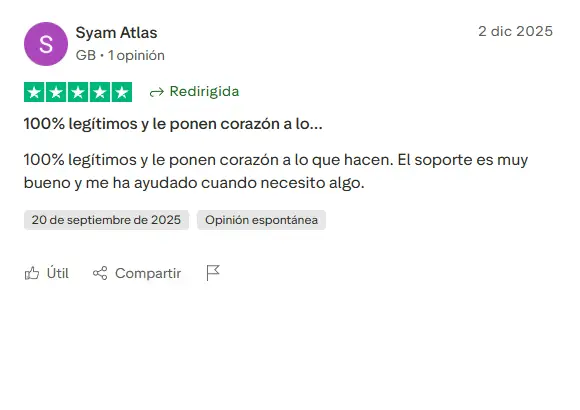
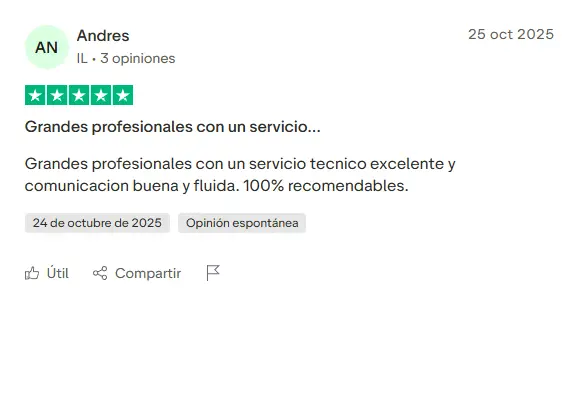
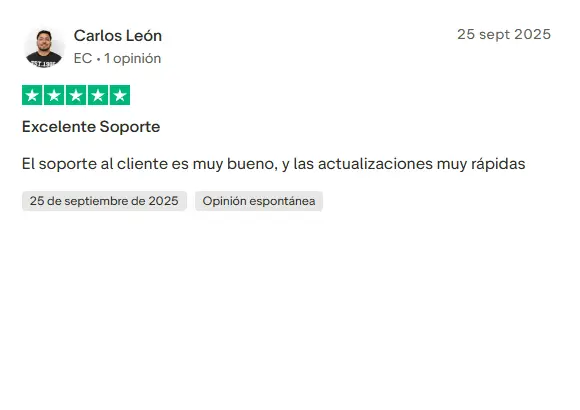
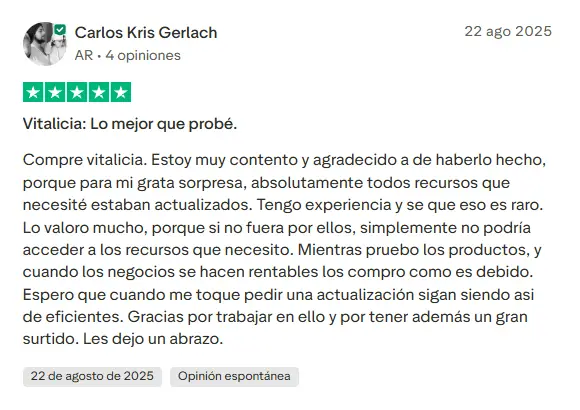
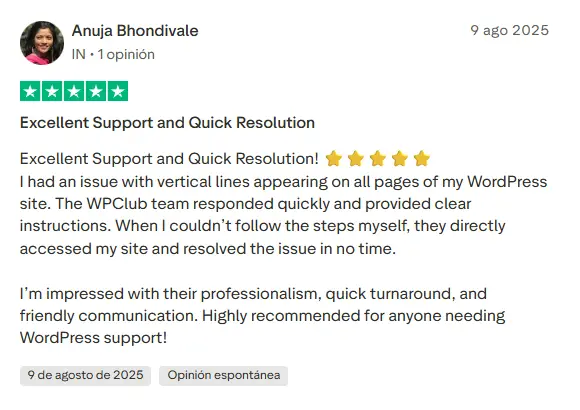
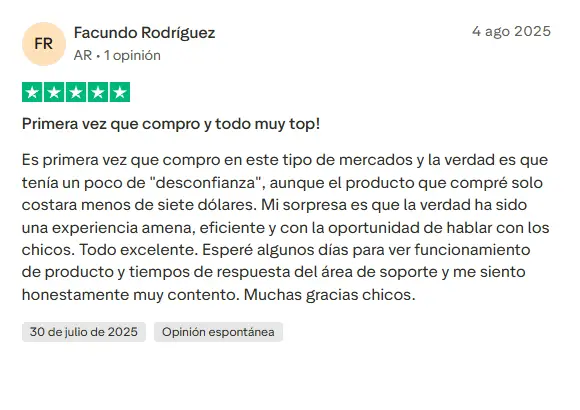
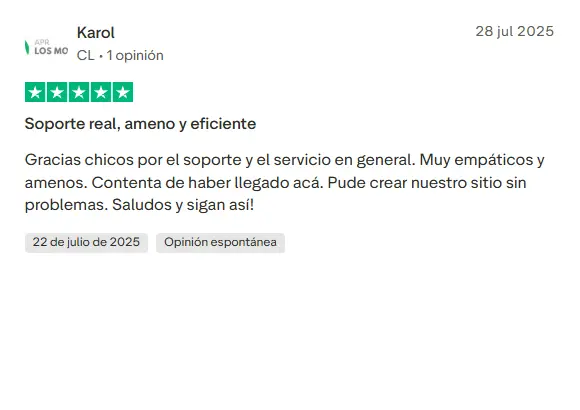
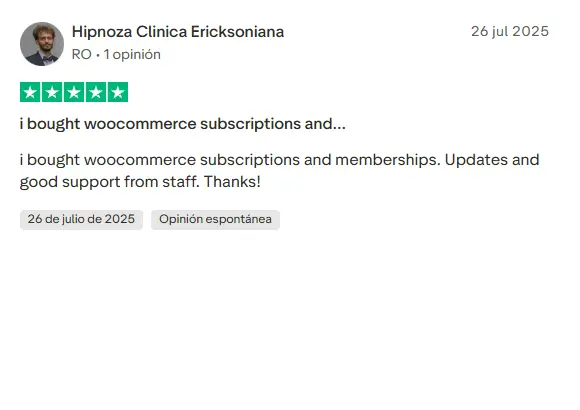
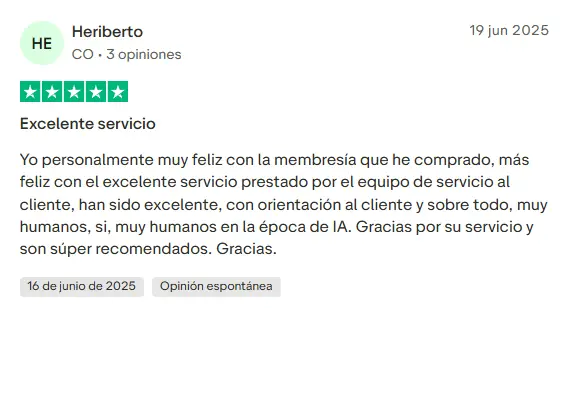
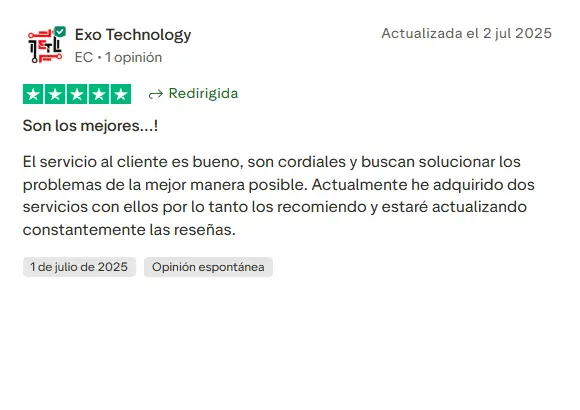
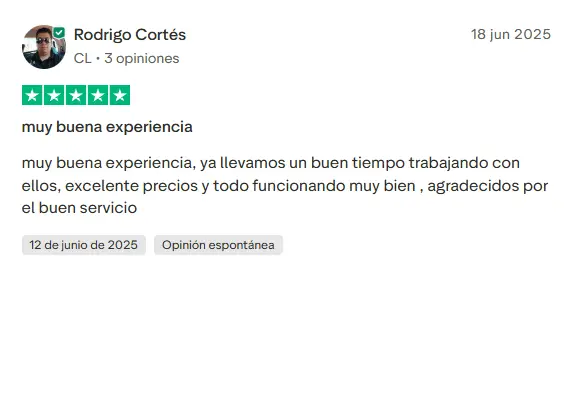
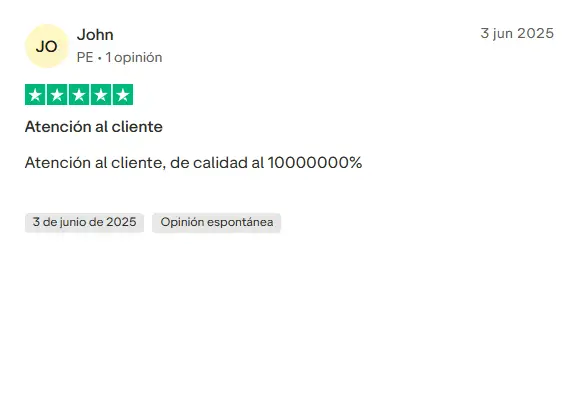
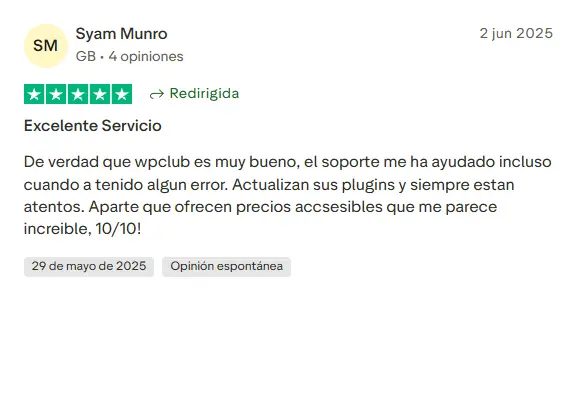
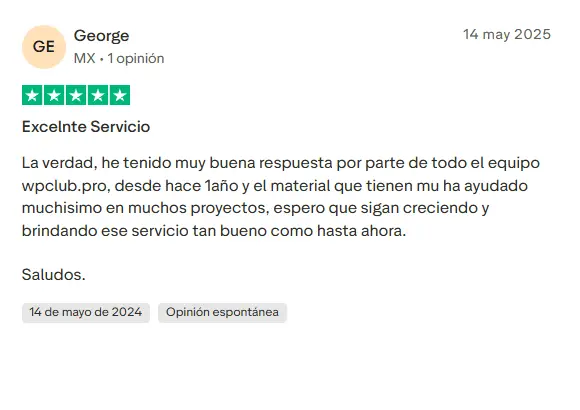
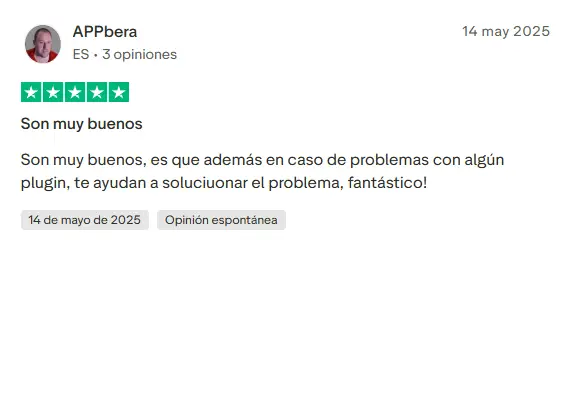
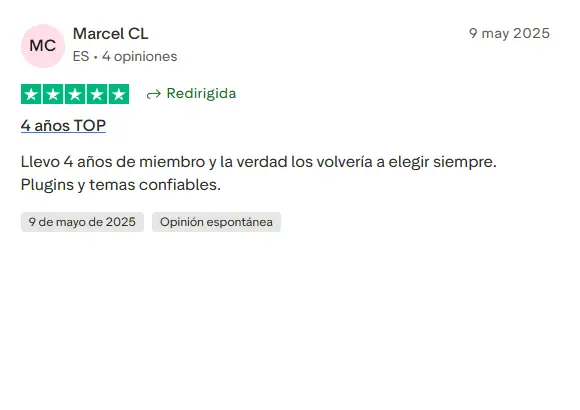
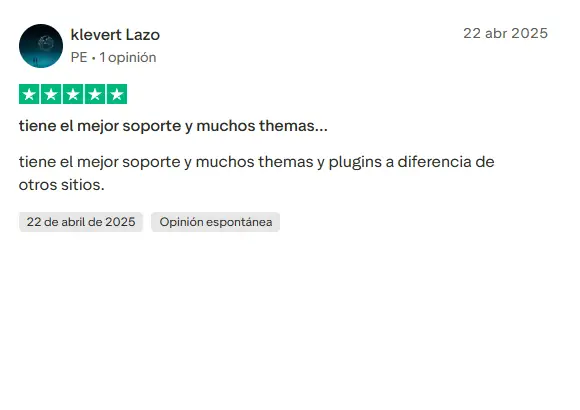
Our Reputation on Trustpilot
Many thanks to those who take the time to give us a rating on Trustpilot. Each and every one of your comments is very helpful to us. We strive to provide a rewarding experience for every member of our community, always with respect and care. We'll be here!
WPClub Memberships
Access our entire catalog for a single payment. We offer three memberships: Monthly, Annual, and Lifetime (One-Time Payment).
- Save thousands of dollars
- Unlimited daily downloads
- No recurring payments
- Fast downloads by AWS
- Quality service and support, validated since 2018
- We work with love for our community