
WooCommerce Brands 1.7.7


- Secure Payment
- Support from Monday to Friday
- With you since 2018
$99.00 El precio original era: $99.00.$5.99El precio actual es: $5.99.
Quick summary
WooCommerce Brands is an extension designed to add a robust brand management layer to your online store. It allows you to associate each product with a clear, easily navigable, and visible brand for your customers. It's ideal for stores with extensive catalogs, projects working with specific manufacturers, and businesses that need users to search and compare products by brand, not just by category or price.
What problem does it help solve?
In a WooCommerce store with many items, customers often end up lost among generic categories. When someone enters looking for "Nike sneakers," "LG monitors," or "cosmetics from a specific brand," relying solely on categories, basic filters, or the search bar makes the experience slower and more confusing. If you've ever been asked for "products from X brand" and you don't have a clear way to display them, you've already identified a problem.
WooCommerce, by default, doesn't offer a brand-specific structure: there are no dedicated pages, automatic listings, or a consistent brand filter across the entire site. This makes internal management more complicated. You can't run promotions by manufacturer, you don't have clean URLs for brand-focused campaigns, and it's difficult to maintain a consistent presentation for each brand within the store.
This happens when your catalog starts to grow and you work with several well-known suppliers. Without a clear branding system, users browse through mixed categories, see products from different manufacturers without context, and are more likely to abandon the site when they can't find content associated with the brand they trust. From a business perspective, you lose the ability to position your store as an official distributor or specialist for certain brands.
Why this solution makes a difference
WooCommerce Brands introduces a dedicated organizational layer for manufacturers and brands, integrated directly into the regular WooCommerce product flow. In everyday use, this means that when creating or editing a product, you can assign it a consistent brand and then leverage that brand across listings, filters, menus, and internal campaigns. The result is a more logical navigation experience for customers searching by brand name.
When you start noticing that your internal search engine is cluttered with manufacturer terms, requests for direct links to "all X products," or that your team has to manually prepare listings for every promotion, having a brand management system saves you a lot of repetitive tasks. Organizing by brand reduces human error, prevents oversights when creating promotions, and provides a reusable structure for landing pages, banners, and featured sections.
Furthermore, by defining brands as separate entities within WooCommerce, you gain control over their presentation: name, associated image, public page, descriptive text, and how they appear to the user. This directly impacts the shopping experience, especially in sectors where trust relies on brand reputation rather than just the product itself.
Signs you need this product
- Customers repeatedly ask for "products from a specific brand" and you don't have a single link where they can be gathered.
- There is friction when browsing your catalog because the categories group too many manufacturers and there is no clear filter by brand.
- Time wasted creating manual collections for each campaign focused on a specific brand or supplier.
- Growth scenario in which you begin to incorporate more recognized manufacturers and want to work on their presence in an orderly and scalable way.
- Need to differentiate yourself as an official distributor or specialized store in certain brands and lack a clear structure to showcase them.
When does it make sense to use it (and when doesn't)
WooCommerce Brands makes sense when your catalog includes multiple manufacturers and your audience makes purchasing decisions based on brand. It's especially useful for fashion, electronics, sports, home goods, cosmetics, or any project where users clearly recognize brand names and actively search for them. In real-world projects, it also adds value when you manage supplier agreements and need to boost their visibility in your store.
On the other hand, it's not really necessary if you work with unique private-label products and don't want to divide your offerings by manufacturer. If your catalog is small, with few items and no recognizable brands, managing by categories and attributes may be sufficient. In those cases, loading your site with a specific brand layer will add complexity without providing a tangible benefit to the shopping experience or your daily operations.
Who it fits best for
- Online stores that sell products from multiple manufacturers and want the customer to be able to easily browse by brand.
- Ecommerce projects that manage large catalogs and need additional organization beyond categories and tags.
- Marketing teams that prepare campaigns by manufacturer and require clear and consistent URLs to promote complete collections of a brand.
- Agencies or professionals who develop stores for official distributors and seek to present each brand in a carefully crafted manner.
- Businesses that already receive brand-specific traffic or inquiries and want to capitalize on that interest by offering dedicated navigation and listings.
Practical benefits
- Real operational improvement: Grouping products by brand is no longer a manual task for each campaign. Simply assign the correct brand and reuse it in listings, menus, and store sections.
- User experience: The customer quickly identifies a block of "brands" or a dedicated filter, gets to the catalog they are interested in faster, and reduces the feeling of clutter while browsing.
- Control and organization: You have a central location to manage all brands and their presence in the store, making it easy to maintain a consistent visual and content style.
- Time saving: By not having to build manual pages for each manufacturer each time, the creation of new brand-based collections is significantly accelerated.
- Error reduction: Errors are reduced when building campaigns or menus, since you work on a stable brand structure instead of copying and pasting links to scattered products.
How it fits within WordPress
WooCommerce Brands integrates as an additional layer of categorization within WooCommerce, respecting the usual way of organizing content in WordPress. It doesn't replace categories or tags, but rather adds a specific organizational axis: the manufacturer or brand. In practice, it becomes another part of the workflow when creating products, preparing menus, configuring widgets, or designing featured areas in the store.
When working with WordPress, this allows you to maintain a clear logic: categories define the product type, attributes specify technical characteristics, and brands provide the commercial context. This way, you can build combined navigations (for example, “Sneakers + ”Brand X“) without forcing artificial structures in the admin panel. The result is a store where the internal organization aligns with how your customers actually search.
Typical use cases
- A fashion store with multiple designers that wants to display a visual listing of all brands and allow the user to explore only clothing from a specific brand.
- An electronics retailer that launches seasonal campaigns by manufacturer, such as "Brand X product week", needs dynamic pages with that company's entire catalog.
- A sports or outdoor project where the user trusts certain manufacturers and directly searches for "Brand Y boots" or "Brand Z backpacks", expecting to see all the items from that supplier.
- Cosmetics e-commerce that groups ranges by brand to facilitate recurring purchases of products from the same brand, without the user having to filter by characteristics each time.
- Specialized store that positions itself as an official distributor of several brands and wishes to dedicate its own space to each one, with listings, image and coherent content.
Frequently Asked Questions about WooCommerce Brands
How does WooCommerce Brands differ from using only product categories?
Categories were designed to organize product types (T-shirts, sneakers, monitors), not manufacturers. If you try to use categories like brands, you end up mixing navigation logic: some categories by type, others by brand, others by model. WooCommerce Brands clearly separates these two concepts. You maintain categories for the type of item and, in parallel, manage brands as an independent axis, with their own listings and reusable public pages throughout the site.
What happens to my existing products if I add WooCommerce Brands to an already active store?
On an existing website, implementing WooCommerce Brands involves reviewing the catalog and assigning each product to its corresponding brand. It's an initial classification process, but it marks a turning point in management. Once tagged, you can generate automatic listings by brand, create specific sections in the navigation, and leverage this structure in campaigns without having to manually filter each group of items repeatedly.
How does WooCommerce Brands help my marketing and promotional campaigns?
When your marketing strategy includes manufacturer-focused actions, having structured brands simplifies the entire process. You can link directly to a brand's page from emails, ads, or social media, knowing that the listing will always display the most up-to-date catalog. Furthermore, it's easier to set up blocking or featured sections in the store dedicated to a specific brand without having to rebuild each campaign from scratch.
Does it make sense to use WooCommerce Brands if I only work with two or three manufacturers?
In projects with few manufacturers, the need for branding depends on the importance of the brand to your client. If you work with two or three well-known brands that your users search for by name, branding continues to provide clarity and facilitates targeted campaigns for each supplier. But if manufacturers are secondary and the focus is on the product type or your own brand, categories and attributes may suffice without adding this extra layer.
What growth limit does WooCommerce Brands allow me in brand management?
WooCommerce Brands is designed for projects that anticipate increasing the number of manufacturers without losing control. From the dashboard, you can add new brands as you expand your catalog and reuse them in products, menus, and listings without changing the store's core structure. This eliminates the need to reorganize categories every time you sign up with a new supplier, maintaining a consistent architecture even when the number of manufacturers is very high.
Conclusion
WooCommerce Brands exists to solve a very specific problem: the lack of a clear and reusable brand layer within WooCommerce when working with multiple manufacturers. If you've ever had customers order "everything from X brand" and you don't have a direct way to show them, adding this organization saves you time and tangibly improves the shopping experience.
By incorporating brands as a core element in the store, you align your catalog with the actual way users search for products, facilitate manufacturer-specific campaigns, and maintain a structure prepared for the growth of your ecommerce without losing order or clarity.
Latest update:

Written by: WPClub
With over seven years of experience curating, managing, and distributing GPL products, our content is based on hands-on experience, technical review, testing, and feedback from thousands of users. We aim to democratize and simplify the WordPress world so you can choose with confidence, speed, and ease.
Your Individual Purchase Includes:
- Lifetime updates.*
- Official product, ready to use.
- Immediate access to the product.
- Clean and virus-free files.
- GNU GPL V2/V3 License
- Technical support in Spanish and English.
* In the case of memberships, the period during which you will receive updates will depend on the type of membership purchased: monthly, annual, or lifetime.
Notify Update
We update products Monday through Friday. However, if the product you see is not yet updated, you can notify us so we can prioritize updating it whenever possible.
Get your questions answered here
Here you'll find answers to frequently asked questions about our service: how it works, what it includes, and how to get the most out of it.
On how many websites can I use the products?
You can use any product from our store on any website you want.
Will I get updates?
Absolutely. If you buy an individual product, you'll get lifetime updates for that product.
On the other hand, if you purchase a membership, you will receive updates until your membership expires.
What if I have a problem?
First of all, we want you to know that you can count on us. We will assist you and provide the necessary support, so you can rest assured.
On the other hand, it is important for you to know that, given the time difference between countries, your time and ours may not be the same, so we will be delayed accordingly.
Our opening hours start at 9 AM from Monday to Friday, UTC -3. We are open until around 6 PM.
Do they provide technical support?
Yes, and regarding the time, it is usually on average within 24 to 48 business hours.
However, there are times when we have already provided an answer and solution in less than a day, depending on the case.
Are there download limits?
No. We don't believe in that format, so you can download as many times as you want. No problem. We pay for high-quality professional storage precisely to avoid problems.
Do they provide license keys?
No. Giving out the keys is not a viable option, as we have had experiences where they end up circulating everywhere and we can even lose the associated accounts.
That said, all products are original and, in cases where a license key is required to function, we will take care of pre-activating them for you.
Does my purchase include an invoice?
Yes. After payment, you will be able to access your invoice immediately in the "Purchases" section of your user account.
That is why it is important that you properly complete the information requested at the time of payment.
Is there a warranty?
Yes, of course. If there's a problem we can't resolve, or if there's an external issue that doesn't have a general solution, you'll receive support and, if necessary, a full refund. We have a 14-day refund policy from the date of purchase.
- It should be noted that there is no warranty if the product works well and it simply wasn't what you wanted.
There have been instances where someone buys a product, the product works perfectly, but they don't like it and want a refund, keeping the product. That's not right.
However, everything is evaluable and reasonable. Let's use judgment together.
What are the opening hours?
Our opening hours are:
- Monday to Friday, from 9 a.m. to 6 p.m.
- Saturday and Sunday: No service.
UTC -3 time

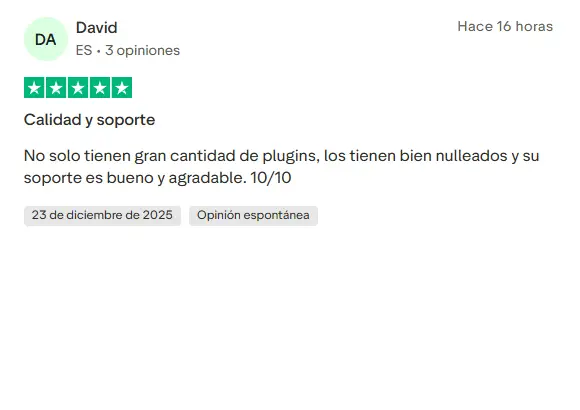
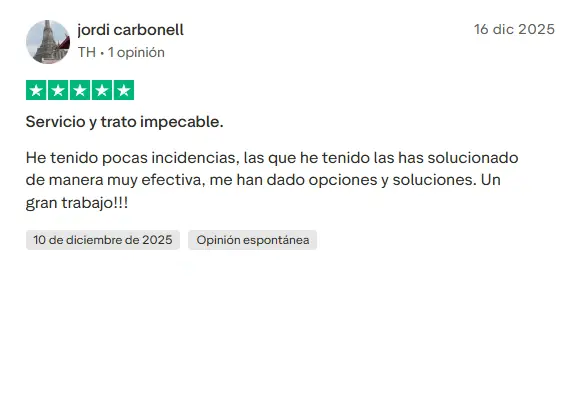
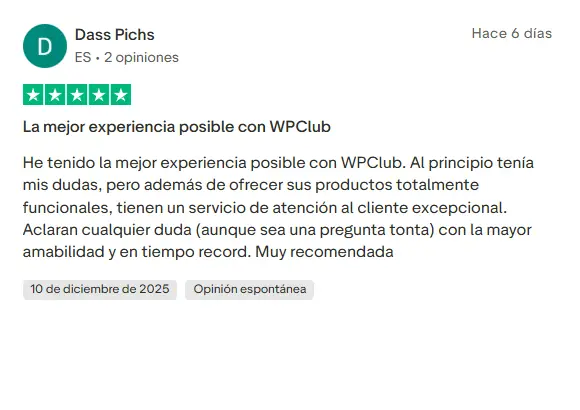
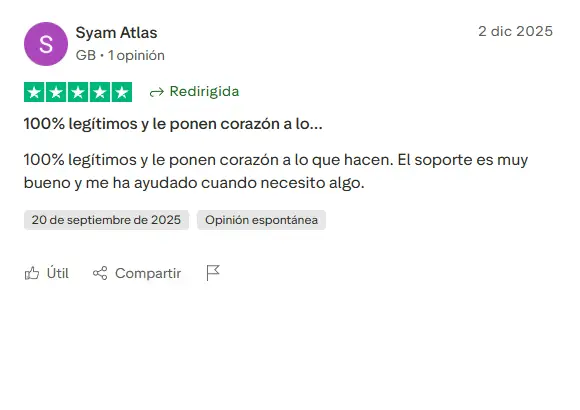
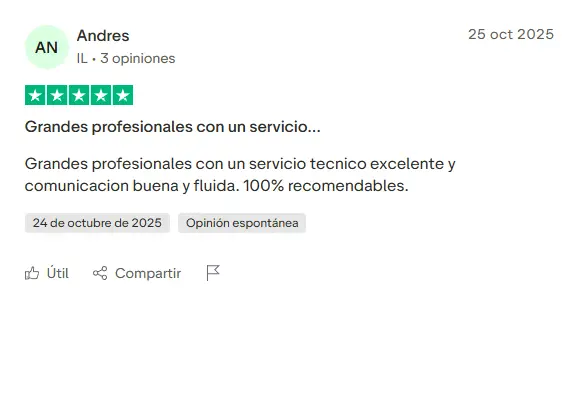
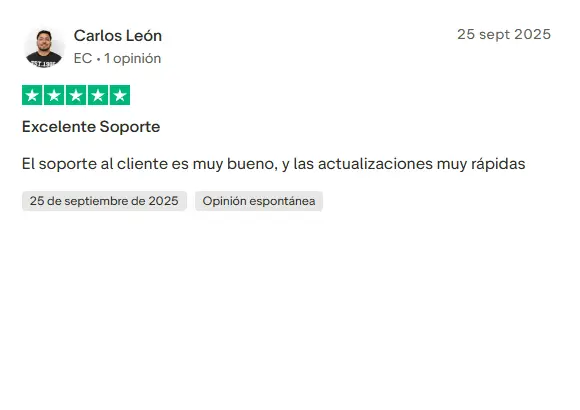
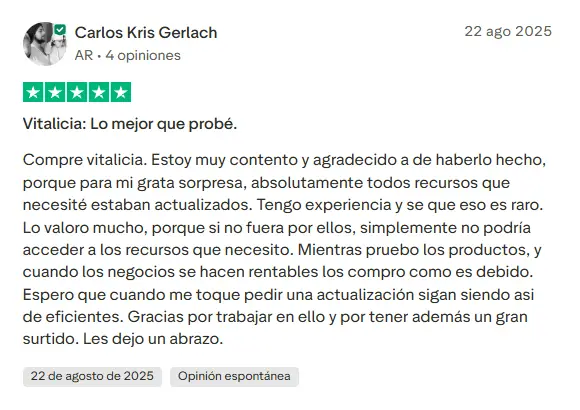
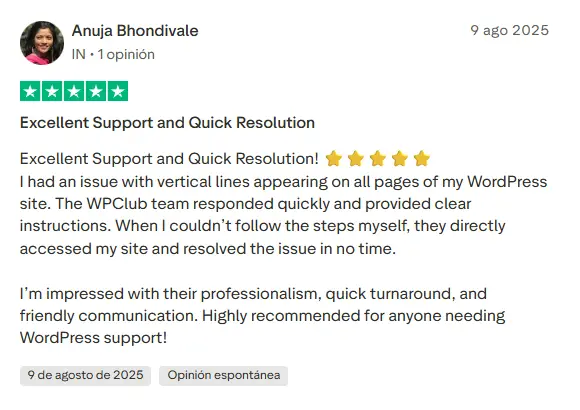
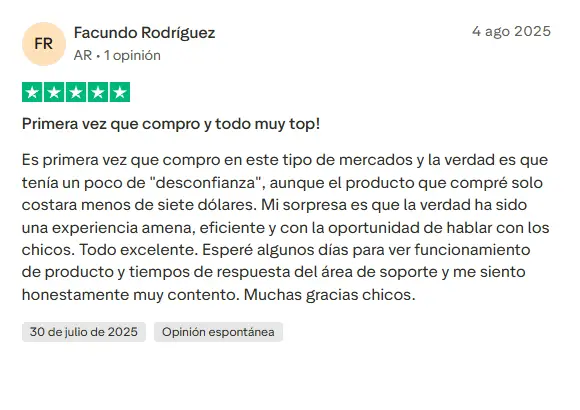
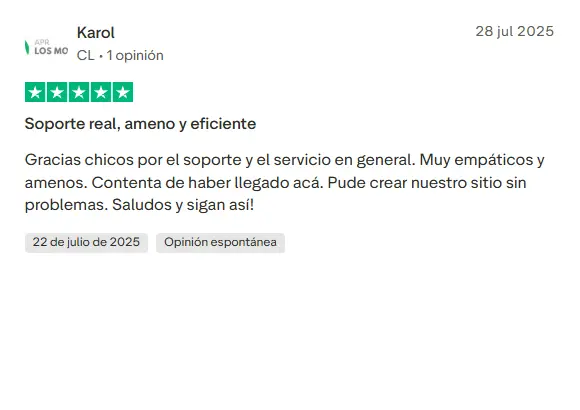
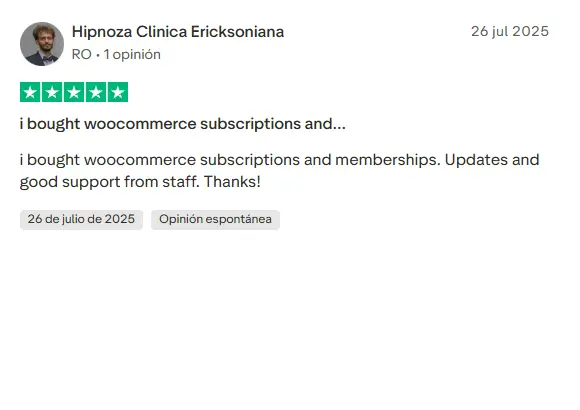
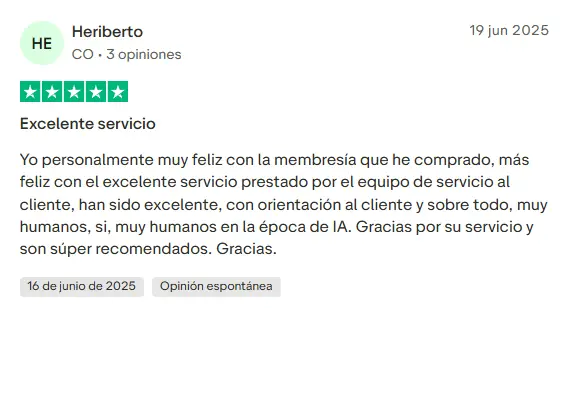
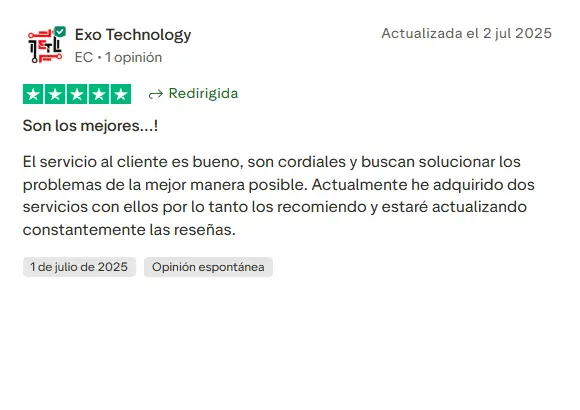
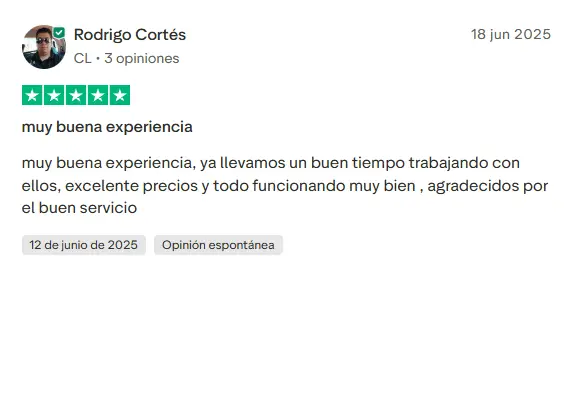
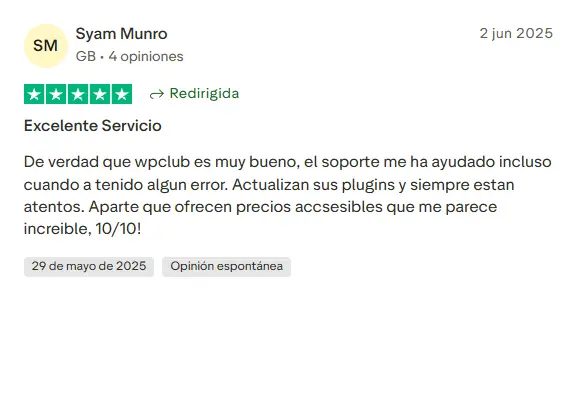
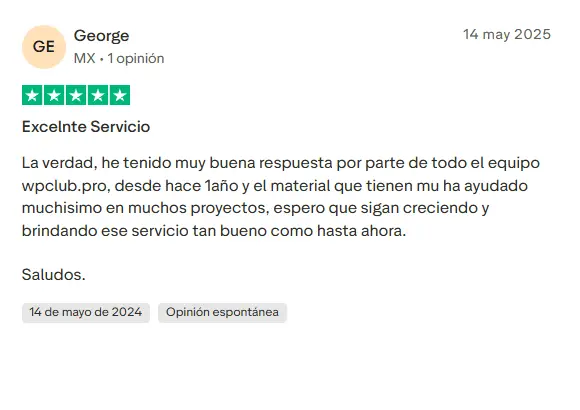
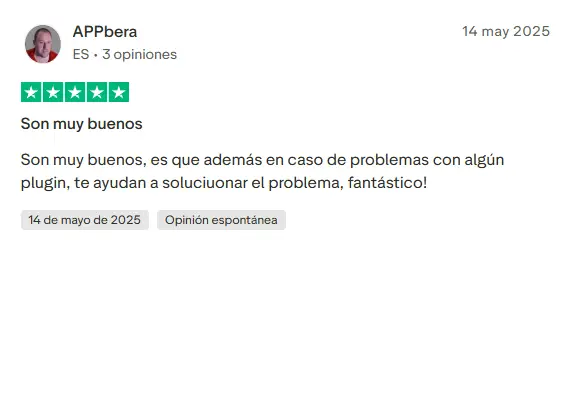
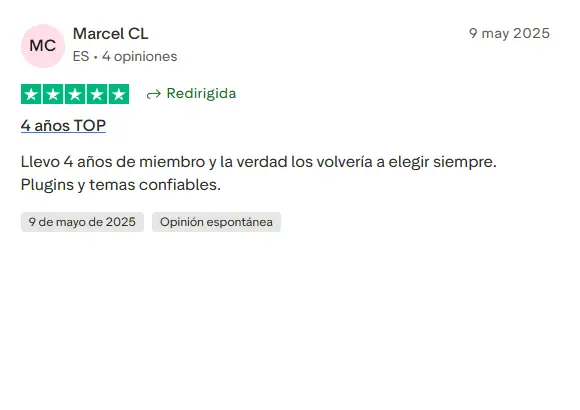
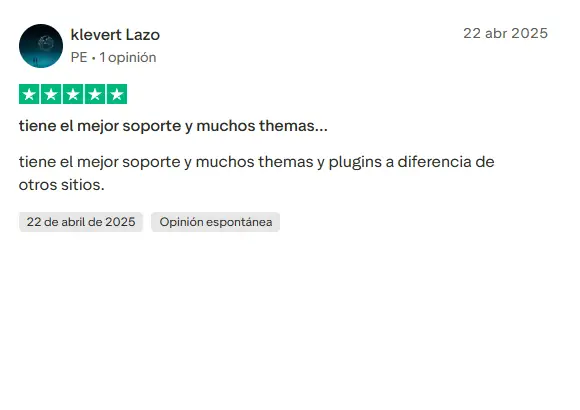
Our Reputation on Trustpilot
Many thanks to those who take the time to give us a rating on Trustpilot. Each and every one of your comments is very helpful to us. We strive to provide a rewarding experience for every member of our community, always with respect and care. We'll be here!
WPClub Memberships
Access our entire catalog for a single payment. We offer three memberships: Monthly, Annual, and Lifetime (One-Time Payment).
- Save thousands of dollars
- Unlimited daily downloads
- No recurring payments
- Fast downloads by AWS
- Quality service and support, validated since 2018
- We work with love for our community