
WooCommerce Order Tags 5.0.0



- Secure Payment
- Support from Monday to Friday
- With you since 2018
$49.00 El precio original era: $49.00.$5.99El precio actual es: $5.99.
Quick summary
WooCommerce Order Tags lets you assign custom tags to your store's orders to visually organize and quickly filter them from your WordPress dashboard. It's designed for stores that have moved beyond basic order status management and need more granular classification: campaigns, sales channels, internal teams, priorities, or specific processes. If you're already managing dozens of orders daily and wasting time searching for information, this tag-based approach brings immediate order.
What problem does it help solve?
In WooCommerce, standard order statuses (pending, processing, completed, etc.) fall short when volume increases or when your operation is more complex than a simple one-off sale. The same status can group orders with very different needs: urgent, with issues, customized, affiliate, or belonging to specific campaigns. This makes it difficult to prioritize, distribute tasks, and have a clear understanding of what's happening with each purchase.
When you start noticing that all the "processing" orders require different actions and that the team has to review them one by one to understand what to do, the workflow becomes slow and prone to errors. If you've already experienced an important order going unattended because it was "hidden" among many others with the same status, the problem is no longer a lack of information, but rather a lack of visual and operational organization within the order list.
This disorganization directly impacts customer service, response times, and internal coordination. In real-world projects, external spreadsheets, handwritten notes, or chat messages are used to mark which orders are priorities, which belong to a campaign, or which need to be reviewed before shipping. All of this multiplies the workload and creates opportunities for misunderstandings between individuals and departments.
Why this solution makes a difference
WooCommerce Order Tags introduces an additional layer of classification that doesn't interfere with the native statuses, but rather complements them. Instead of trying to force more statuses or manual shortcuts, you work with visual labels directly on the orders. This allows you, for example, to mark at a glance which orders belong to a specific influencer, which purchases are part of a limited-time promotion, or which require manual review before being marked as completed.
In day-to-day operations, the impact is noticeable in the speed of locating what matters and in the clarity of assigning responsibilities. One team can filter by tags related to incidents, while another focuses on tags related to logistics or billing. Furthermore, when working with WordPress, maintaining all this classification within the dashboard itself eliminates reliance on external documents, which tend to become outdated quickly.
This comes in handy when you need more context than WooCommerce statuses provide, but you don't want to change your workflow or redesign entire processes. You simply add a consistent way to mark, group, and find orders based on your internal business logic, whether it's by campaigns, teams, risk level, shipping priority, or any other criteria you're currently managing in a fragmented way.
Signs you need this product
- Have you lost an important order because it was mixed up with others of the same status and no one identified it in time?.
- Your team uses external notes, messages, or manual labels in other systems to mark special or incidental orders.
- Every time you want to review orders from a specific campaign, it takes too long to locate all the relevant ones.
- Order management has become confusing as your store has grown and standard statuses no longer reflect operational reality.
- You find it difficult to prioritize what to attend to first during the day because all orders look the same in the WooCommerce dashboard.
- You need to segment purchases according to sales channel, internal manager or product type, and today you do it with manual processes.
When does it make sense to use it (and when doesn't)
WooCommerce Order Tags become essential when your order management has evolved from a one-off operation to a high-volume, process-driven one. If you receive many orders daily, manage multiple business lines, work with recurring campaigns, or need to clearly distinguish which orders require special handling, tags become a crucial organizational layer for maintaining control and efficiency.
On the other hand, if your store only receives a few sales per month and you can review each order individually without wasting time, this additional sorting method isn't essential. It also has less impact on projects where the order flow is extremely simple, without campaigns, without common issues, and without the need for coordination between multiple people. In those cases, WooCommerce's native status updates may be sufficient for day-to-day operations.
The key is to measure how much time you currently spend locating and prioritizing orders, and how many errors or delays occur due to a lack of context. When that cost increases, implementing specific tags for your business stops being an extra and becomes an essential daily tool.
Who it fits best for
- Online stores with customer service teams that need to quickly identify orders with issues, returns, or complaints.
- Ecommerce businesses that work with recurring campaigns or launches and want to segment orders by promotion, marketing funnel, or collaborations.
- Businesses that coordinate several departments (logistics, billing, support) and require a clear way to differentiate priorities and responsibilities in the order list.
- Agencies that manage client stores and want to implement a classification structure visible to the entire team without modifying standard statuses.
- Projects with B2B sales where it is important to label orders by customer type, special conditions, specific agreements or internal reviews.
Practical benefits
- Real operational improvement: Orders cease to be a homogeneous list and become a panel where each purchase has additional context, facilitating quick decisions and reducing internal blocks.
- User experience: When you open the order list, the labels let you understand in seconds what requires attention, what belongs to which campaign, and what needs to be reviewed before moving on.
- Control and organization: Labels enhance your ability to segment and filter, so you can review specific groups of orders with a logic aligned with your actual way of working.
- Time saving: The team reduces manual searches, cross-referencing with spreadsheets, or unnecessary conversations to identify which orders are priority or special.
- Error reduction: Fewer orders go unnoticed, oversights about special cases decrease, and errors resulting from a lack of context when managing the purchase are minimized.
How it fits within WordPress
WooCommerce Order Tags integrates seamlessly into your everyday WooCommerce admin workflow, adding the ability to tag and categorize orders without altering the core system. Since it's powered by WordPress, everything is managed from the same dashboard where you already review order statuses, internal notes, and customer details, making tags a convenient and easily accessible element next to each purchase.
In this context, its role is clear: to complement standard order management with a flexible organizational layer that you can adapt to your business. It doesn't replace WooCommerce statuses or transform how orders are recorded, but rather provides an additional way to view and group information so that each team member knows what to review, what to escalate, and what to close at any given time.
Typical use cases
- A store launches a campaign with an influencer and tags all orders generated during that period to analyze them later and give them priority in customer service.
- An ecommerce platform with different shipping options (express, standard, fragile) that uses labels to group orders by logistics type and facilitate warehouse work.
- A B2B project that labels orders requiring internal approval, review of commercial terms, or special billing before proceeding.
- A subscription-based store with one-off products that labels recurring orders to manage them with a specific tracking and communication flow.
- A business that works with several channels (online store, marketplace, agreements with companies) and classifies orders using labels to analyze performance and coordinate different processes.
Frequently Asked Questions about WooCommerce Order Tags
How do WooCommerce Order Tags differ from WooCommerce order statuses?
WooCommerce Order Tags don't replace existing order statuses; they complement them. Statuses indicate where a purchase is in the process (pending, processing, completed, etc.), while tags add additional context: source campaign, priority, customer type, sales channel, or any internal criteria. This way, you maintain the standard WooCommerce flow while gaining much more detailed categorization to organize your daily operations without forcing new statuses.
When does it make sense to start using labels instead of just sticking with states?
Labels become useful when statuses stop providing clarity and you start mixing orders with very different needs into the same category. If you've already found yourself with urgent orders, orders with issues, and regular orders all mixed together under the "processing" heading, and you need to review them one by one to decide what to do, it's time to incorporate labels. Beyond a certain volume or operational complexity, simply classifying orders by status becomes insufficient for prioritizing and coordinating the team.
Can I use WooCommerce Order Tags to group orders by marketing campaigns?
Yes, a common use of WooCommerce Order Tags is to create specific tags for campaigns, launches, or collaborations. This way, you can mark all orders generated during a specific promotion and filter them later for more detailed analysis or management. For example, you can tag orders from a "Black Friday" sale, an influencer campaign, or a specific email funnel. This centralizes sales tracking without having to export data to external spreadsheets.
How does WooCommerce Order Tags help my customer service team?
By allowing orders to be tagged with clear operational information, the customer service team can immediately filter what they need to review: orders with issues, ongoing returns, VIP customer purchases, cases pending payment verification, or orders with additional information. This reduces the time spent searching through the entire list and makes it easier for multiple people to work in parallel without overlapping. Each tag becomes a logical "view" of the pending work, aligned with the actual business priorities.
Does it make sense to use WooCommerce Order Tags in a small store with few sales?
If your store is very small and you receive few sales per month, you might not need additional tags. In that scenario, you can review each order manually without spending too much time, and the standard statuses may be sufficient. WooCommerce Order Tags become truly valuable when volume increases, campaigns are launched, the variety of order types expands, or multiple people manage the same dashboard. In these cases, the extra categorization prevents confusion and the loss of information relevant to the business.
Conclusion
WooCommerce Order Tags solves a very specific problem: the lack of context and fine-tuning in the order list as the store grows or operations become more complex. By introducing tags tailored to your workflow, you transform a flat shopping list into a dashboard structured by priorities, campaigns, and responsibilities. If you're currently spending time searching for and figuring out what to do with each order, incorporating this direct categorization into WooCommerce makes a tangible difference in your daily management.
Latest update:

Written by: WPClub
With over seven years of experience curating, managing, and distributing GPL products, our content is based on hands-on experience, technical review, testing, and feedback from thousands of users. We aim to democratize and simplify the WordPress world so you can choose with confidence, speed, and ease.
Your Individual Purchase Includes:
- Lifetime updates.*
- Official product, ready to use.
- Immediate access to the product.
- Clean and virus-free files.
- GNU GPL V2/V3 License
- Technical support in Spanish and English.
* In the case of memberships, the period during which you will receive updates will depend on the type of membership purchased: monthly, annual, or lifetime.
Notify Update
We update products Monday through Friday. However, if the product you see is not yet updated, you can notify us so we can prioritize updating it whenever possible.
Get your questions answered here
Here you'll find answers to frequently asked questions about our service: how it works, what it includes, and how to get the most out of it.
On how many websites can I use the products?
You can use any product from our store on any website you want.
Will I get updates?
Absolutely. If you buy an individual product, you'll get lifetime updates for that product.
On the other hand, if you purchase a membership, you will receive updates until your membership expires.
What if I have a problem?
First of all, we want you to know that you can count on us. We will assist you and provide the necessary support, so you can rest assured.
On the other hand, it is important for you to know that, given the time difference between countries, your time and ours may not be the same, so we will be delayed accordingly.
Our opening hours start at 9 AM from Monday to Friday, UTC -3. We are open until around 6 PM.
Do they provide technical support?
Yes, and regarding the time, it is usually on average within 24 to 48 business hours.
However, there are times when we have already provided an answer and solution in less than a day, depending on the case.
Are there download limits?
No. We don't believe in that format, so you can download as many times as you want. No problem. We pay for high-quality professional storage precisely to avoid problems.
Do they provide license keys?
No. Giving out the keys is not a viable option, as we have had experiences where they end up circulating everywhere and we can even lose the associated accounts.
That said, all products are original and, in cases where a license key is required to function, we will take care of pre-activating them for you.
Does my purchase include an invoice?
Yes. After payment, you will be able to access your invoice immediately in the "Purchases" section of your user account.
That is why it is important that you properly complete the information requested at the time of payment.
Is there a warranty?
Yes, of course. If there's a problem we can't resolve, or if there's an external issue that doesn't have a general solution, you'll receive support and, if necessary, a full refund. We have a 14-day refund policy from the date of purchase.
- It should be noted that there is no warranty if the product works well and it simply wasn't what you wanted.
There have been instances where someone buys a product, the product works perfectly, but they don't like it and want a refund, keeping the product. That's not right.
However, everything is evaluable and reasonable. Let's use judgment together.
What are the opening hours?
Our opening hours are:
- Monday to Friday, from 9 a.m. to 6 p.m.
- Saturday and Sunday: No service.
UTC -3 time

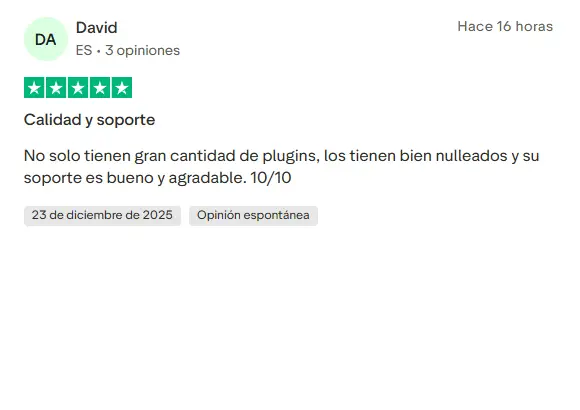
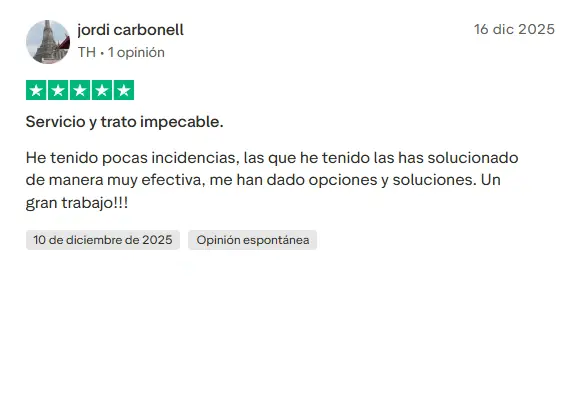
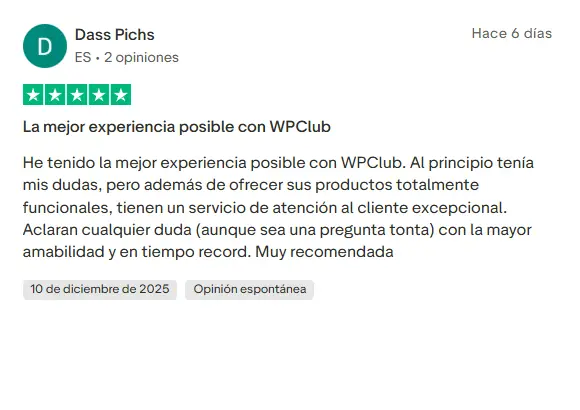
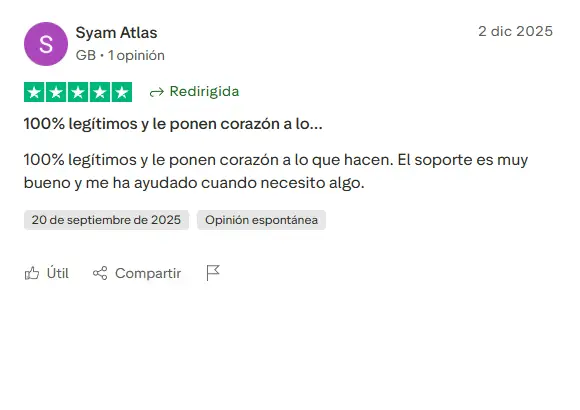
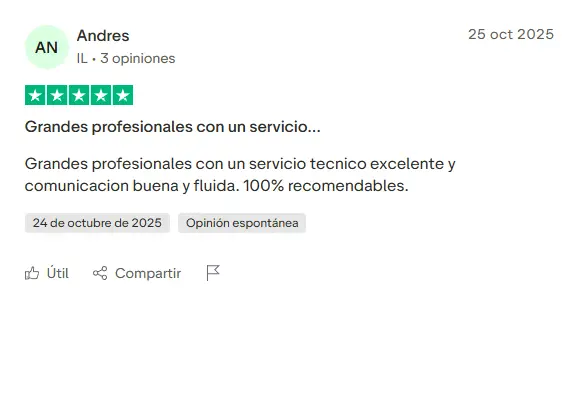
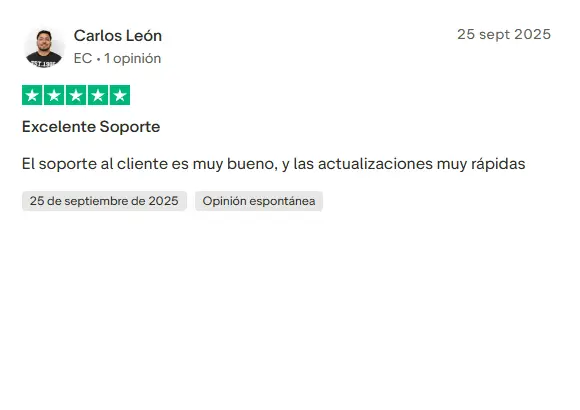
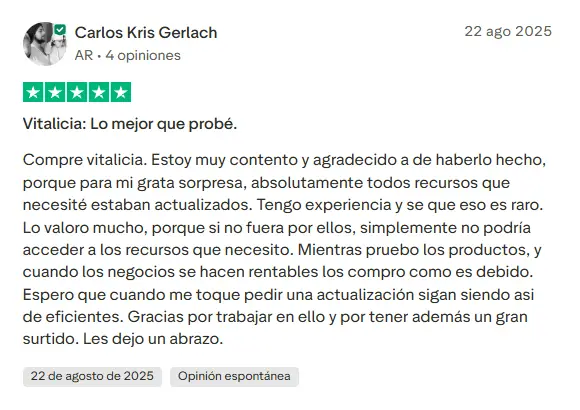
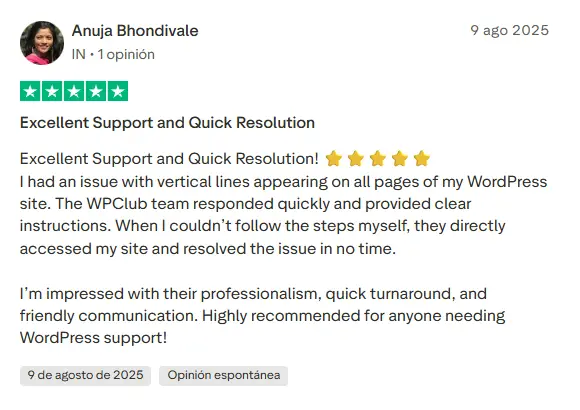
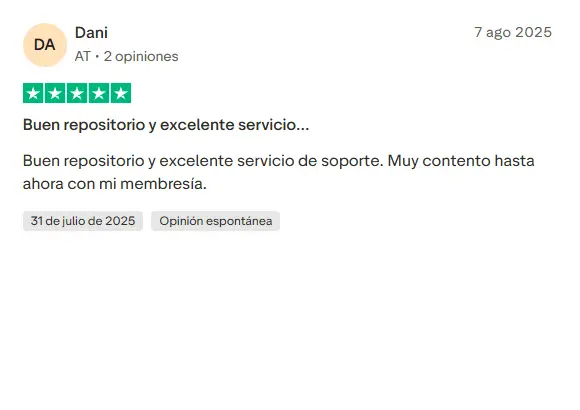
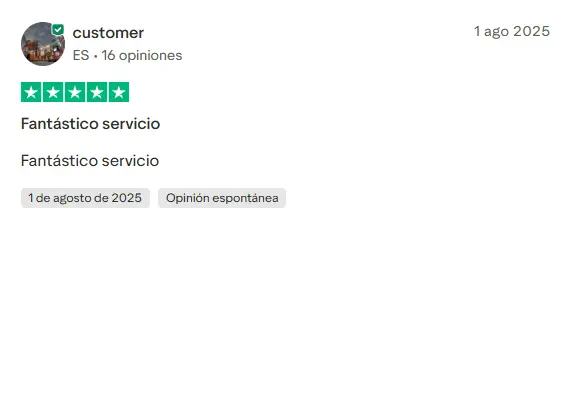
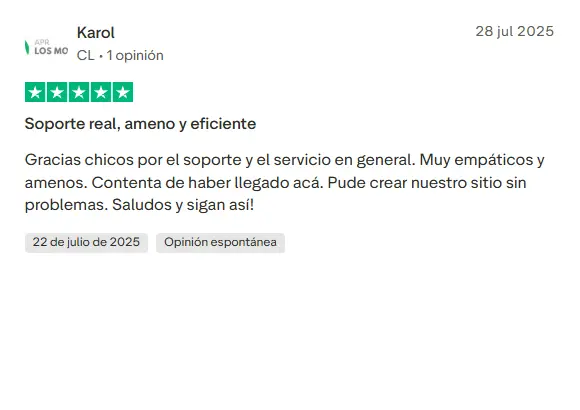
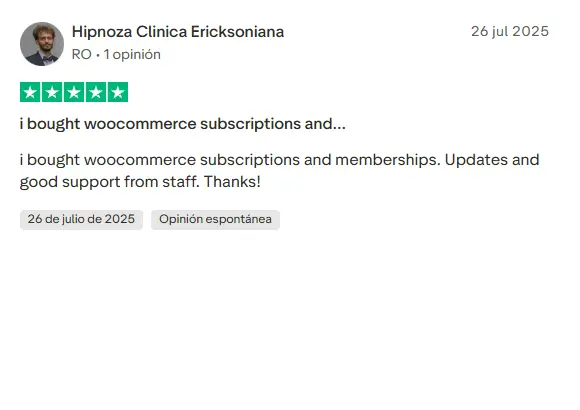
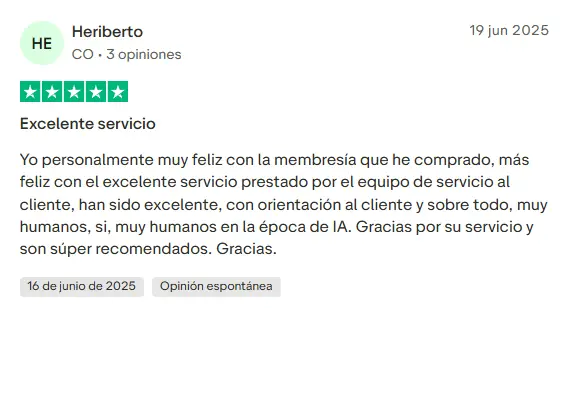
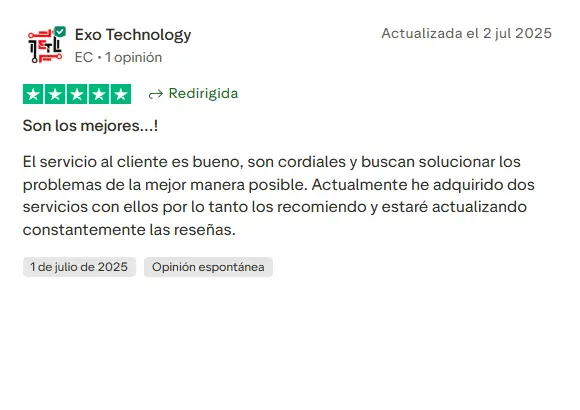
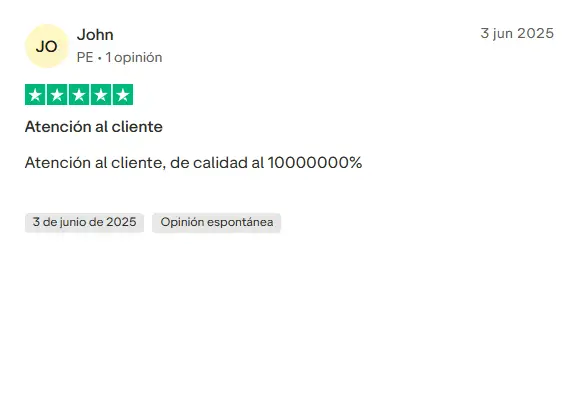
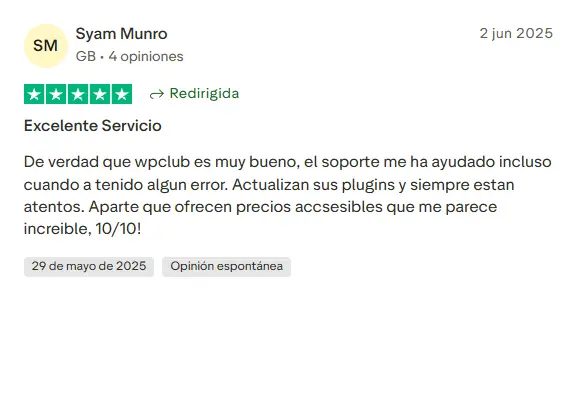
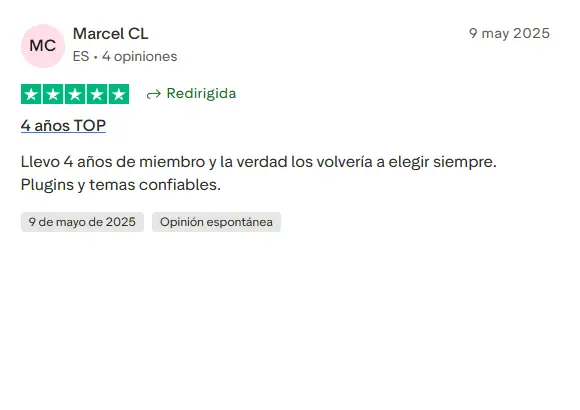
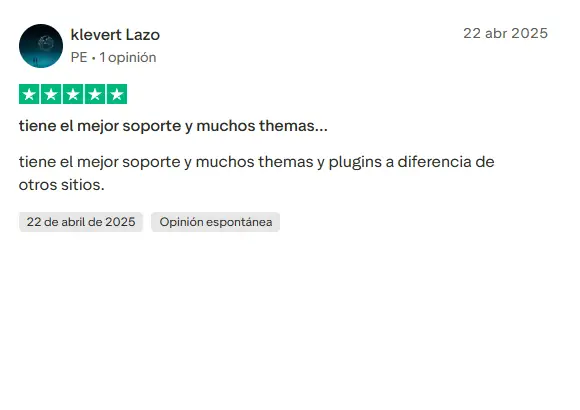
Our Reputation on Trustpilot
Many thanks to those who take the time to give us a rating on Trustpilot. Each and every one of your comments is very helpful to us. We strive to provide a rewarding experience for every member of our community, always with respect and care. We'll be here!




WPClub Memberships
Access our entire catalog for a single payment. We offer three memberships: Monthly, Annual, and Lifetime (One-Time Payment).
- Save thousands of dollars
- Unlimited daily downloads
- No recurring payments
- Fast downloads by AWS
- Quality service and support, validated since 2018
- We work with love for our community