
WooCommerce Wishlists 2.3.19



- Secure Payment
- Support from Monday to Friday
- With you since 2018
$79.00 El precio original era: $79.00.$5.99El precio actual es: $5.99.
Quick summary
WooCommerce Wishlists lets your customers save products to personalized wishlists within your online store. It solves the problem of visitors who aren't quite ready to buy but want to remember items for later or share them with others. It's especially useful for stores with extensive catalogs, gift products, fashion, home decor, electronics, and any e-commerce business where purchase planning directly impacts sales.
What problem does it help solve?
In a WooCommerce store without wish lists, many users browse, add products to their cart, abandon it, and then can't remember what they saw. This results in empty carts, repeated visits to the same product pages, and customers who end up buying less than they initially intended. In real-world projects, this behavior translates into missed sales opportunities that aren't easily detected from the WordPress dashboard.
When working with large catalogs or mid- to high-priced products, it's common for shoppers to want to compare items, save ideas for later, or coordinate a purchase with others. If you've ever had someone ask, "Can you send me the link to all the products you showed me?" or "I can't remember which model I liked," you're seeing the problem clearly: the site doesn't offer an organized space where users can save and retrieve their favorite products.
On the other hand, in stores focused on gifts, wedding registries, birthdays, or special occasions, the absence of a wish list forces customers to resort to improvised solutions: screenshots, random links shared via WhatsApp, or external notes. This disrupts the shopping experience, reduces the motivation to return to the store, and makes it more difficult for customers to share your products with friends or family in a structured way.
Why this solution makes a difference
WooCommerce Wishlists introduces an organizational layer to the checkout process that directly impacts user behavior. Instead of forcing visitors to decide immediately, it allows them to save items, review them at their leisure, and return to the store with a much more defined purchase intent. This improves the quality of repeat traffic and makes it easier for repeat visits to convert into actual orders.
In day-to-day operations, this extension reduces common friction points: customers repeatedly asking about the same products, users who can't remember what they viewed in previous sessions, or shoppers trying to rebuild their cart from scratch. When you start noticing that your customers are returning multiple times before buying and getting lost among so many options, a clear and visible wishlist streamlines the experience and better guides their decisions.
Furthermore, WooCommerce Wishlists empowers customers to promote your catalog themselves. By sharing their wishlists with others, they expose your products to new users who arrive at your store already filtered, with specific products in mind, and a much greater likelihood of completing a purchase. For the day-to-day management of your e-commerce business, this translates to less persuasive effort and a more direct journey from visit to checkout.
Signs you need this product
- Customers contact you through external channels (email, WhatsApp, social media) asking you to remind them of products they saw in your store.
- You notice many recurring visits to the same items without them resulting in orders, especially for gift products or planned purchases.
- The marketing team is trying to reactivate undecided users without a clear reference of what products interested them in the past.
- Your store is growing in the number of items and the catalog is overwhelming for someone who visits for the first time.
- You receive messages like "I had several products in mind, but I don't remember which ones" or "I can't find the items I saved mentally.".
- The current experience forces the customer to decide everything in a single session, without comfortable room to compare, save and return.
When does it make sense to use it (and when doesn't)
WooCommerce Wishlists offer clear value when your store manages a catalog with a wide variety of options, products that require some level of comparison, or purchases that aren't impulsive. In this context, the wishlist becomes a personal dashboard for the user, where they can organize what interests them, review items at their leisure, and return to purchase them when they're ready. This is especially relevant if you work with seasonal items, collections, regular releases, or gift campaigns.
It also makes sense to incorporate it when you start measuring behavior in WooCommerce and see that traffic returns multiple times before making a purchase. If you've already had a customer say, "I had several items in my cart, but they were deleted," a stable and easy-to-find wishlist reduces that kind of friction and keeps their purchase intentions accessible even if they abandon the session.
However, this type of solution isn't as necessary for very simple projects, such as a store with very few products, a single service, or a minimal, static catalog where the decision is almost immediate. If your e-commerce site sells one or two very specific products, geared more towards direct purchase than comparison shopping, a wish list will have little practical use and may even add unnecessary elements to the interface.
Who it fits best for
- Owners of WooCommerce stores with medium or large catalogs, where customers explore various categories before buying.
- Fashion, footwear, accessories, decoration or electronics projects, where the user usually saves ideas, combines products and reviews alternatives.
- Ecommerce sites focused on gifts, wedding lists, baby showers, parties or special occasions, where purchases are coordinated among several people.
- Agencies and developers that manage stores for clients who specifically request that their users be able to save and share products.
- Businesses that run seasonal campaigns (Black Friday, Christmas, sales) need visitors to be able to prepare their purchases in advance.
Practical benefits
- Real operational improvement: customers organize their favorite products into lists on their own, reducing repetitive queries and requests to "forward me links".
- User experience: the shopper feels that they have their own space within the store to plan their purchases without losing anything along the way.
- Control and organization: the business gains a clearer structure of interest behavior, differentiating between casual visits and saved products.
- Time saving: the user does not need to rebuild the cart every time they return; they start directly from their wish list and proceed to checkout in fewer steps.
- Error reduction: forgetfulness, confusion of models or sizes are minimized, and incomplete purchases due to loss of product reference are reduced.
How it fits within WordPress
Within the WordPress ecosystem, WooCommerce Wishlists acts as a specific extension of the checkout flow. It doesn't replace WooCommerce or change how you manage orders, products, or customers; it integrates seamlessly into the process, adding an intermediary point between browsing and the shopping cart. In practice, it introduces a "save for later" option in a visible location, resulting in more organized browsing and more informed purchasing decisions.
When you manage your site from the WordPress dashboard, this functionality feels like just another part of the user journey: they discover the product, add it to their wishlist, return via a saved or shared link, and then place an order. This structural change impacts both the customer experience and how you design remarketing strategies, newsletters, or campaigns based on favorite items.
Typical use cases
- Fashion stores where customers save complete outfits (shirt, pants, shoes) on a list to review later and decide which combination to buy.
- Ecommerce gift sites that allow users to create a birthday list and share it with friends or family so they can buy directly from that selection.
- Decoration projects in which the user saves furniture and accessories from different categories to plan the complete purchase of a room.
- Stores with regular releases where the customer saves products from new collections to buy them all together when they finalize their budget.
- Businesses that work with recurring customers who want to keep track of their favorite products for future replenishment or repeat purchases.
Frequently Asked Questions about WooCommerce Wishlists
How does a wish list differ from a shopping cart in WooCommerce?
The shopping cart is designed for immediate purchases: products the customer is ready to pay for in that same session. The wishlist, on the other hand, organizes items that are of interest but not yet ready for immediate purchase. With WooCommerce Wishlists, users save products to review later, compare them at their leisure, or share them with others. This way, you keep their purchase intentions visible even when they abandon their cart or log out.
How does WooCommerce Wishlists help increase sales in a real ecommerce store?
In real-world projects, a significant portion of sales comes from users who return multiple times before making a purchase. WooCommerce Wishlists prevents these customers from losing track of what they liked and provides them with direct access to their saved products upon their return. This reduces search effort on each visit and makes it easier to convert more ideas into actual orders. Furthermore, by allowing users to share their wishlists, your products reach new, already interested customers.
Does it make sense to use WooCommerce Wishlists in stores with few products?
If your store only offers one or two very specific products, intended for a quick and easy purchase, a wishlist will hardly be used. In that scenario, the priority is to simplify the path to checkout. WooCommerce Wishlists make sense when the user needs to compare, select from several options, or plan a purchase in advance. With a medium-sized catalog, or when people ask to "save for later," the benefit becomes clear.
What impact does WooCommerce Wishlists have on the experience of returning users?
Returning customers benefit most from a well-integrated wishlist. They arrive at the store, log in, or access it via a saved link and instantly retrieve their favorite products. They don't need to remember item names or search through categories. This reduces frustration, shortens the shopping journey, and increases the feeling of control over what they're considering. Over time, this type of experience fosters greater loyalty to the store.
In what type of marketing campaigns is WooCommerce Wishlists most useful?
WooCommerce Wishlists are especially useful during campaigns where users are preparing for a purchase: sales seasons, Black Friday, Christmas, back-to-school, or new collection launches. Customers can create their lists in advance and, when the key date arrives, return to those products with a single click. For your marketing team, this opens up the possibility of targeting messages to saved items, list reminders, and specific promotions for favorite products.
Conclusion
WooCommerce Wishlists addresses a very specific problem in online stores: what happens to all those products that interest the customer, but that they aren't yet ready to buy? By offering a clear space to save, review, and share items, it streamlines the buying process and turns casual browsing into more decisive purchases. If your e-commerce business relies on customers who compare, plan, and return multiple times before buying, incorporating wishlists can tangibly change how your users behave and how those intentions translate into actual sales.
Latest update:

Written by: WPClub
With over seven years of experience curating, managing, and distributing GPL products, our content is based on hands-on experience, technical review, testing, and feedback from thousands of users. We aim to democratize and simplify the WordPress world so you can choose with confidence, speed, and ease.
Your Individual Purchase Includes:
- Lifetime updates.*
- Official product, ready to use.
- Immediate access to the product.
- Clean and virus-free files.
- GNU GPL V2/V3 License
- Technical support in Spanish and English.
* In the case of memberships, the period during which you will receive updates will depend on the type of membership purchased: monthly, annual, or lifetime.
Notify Update
We update products Monday through Friday. However, if the product you see is not yet updated, you can notify us so we can prioritize updating it whenever possible.
Get your questions answered here
Here you'll find answers to frequently asked questions about our service: how it works, what it includes, and how to get the most out of it.
On how many websites can I use the products?
You can use any product from our store on any website you want.
Will I get updates?
Absolutely. If you buy an individual product, you'll get lifetime updates for that product.
On the other hand, if you purchase a membership, you will receive updates until your membership expires.
What if I have a problem?
First of all, we want you to know that you can count on us. We will assist you and provide the necessary support, so you can rest assured.
On the other hand, it is important for you to know that, given the time difference between countries, your time and ours may not be the same, so we will be delayed accordingly.
Our opening hours start at 9 AM from Monday to Friday, UTC -3. We are open until around 6 PM.
Do they provide technical support?
Yes, and regarding the time, it is usually on average within 24 to 48 business hours.
However, there are times when we have already provided an answer and solution in less than a day, depending on the case.
Are there download limits?
No. We don't believe in that format, so you can download as many times as you want. No problem. We pay for high-quality professional storage precisely to avoid problems.
Do they provide license keys?
No. Giving out the keys is not a viable option, as we have had experiences where they end up circulating everywhere and we can even lose the associated accounts.
That said, all products are original and, in cases where a license key is required to function, we will take care of pre-activating them for you.
Does my purchase include an invoice?
Yes. After payment, you will be able to access your invoice immediately in the "Purchases" section of your user account.
That is why it is important that you properly complete the information requested at the time of payment.
Is there a warranty?
Yes, of course. If there's a problem we can't resolve, or if there's an external issue that doesn't have a general solution, you'll receive support and, if necessary, a full refund. We have a 14-day refund policy from the date of purchase.
- It should be noted that there is no warranty if the product works well and it simply wasn't what you wanted.
There have been instances where someone buys a product, the product works perfectly, but they don't like it and want a refund, keeping the product. That's not right.
However, everything is evaluable and reasonable. Let's use judgment together.
What are the opening hours?
Our opening hours are:
- Monday to Friday, from 9 a.m. to 6 p.m.
- Saturday and Sunday: No service.
UTC -3 time

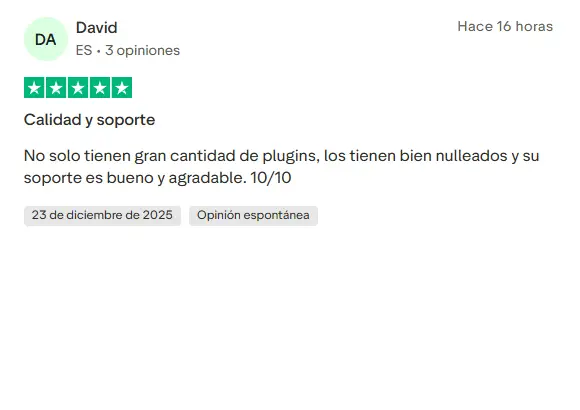
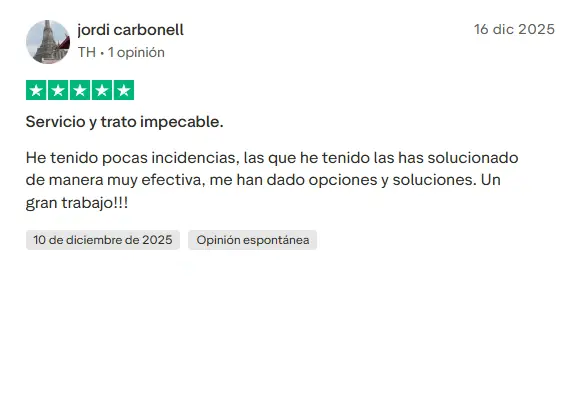
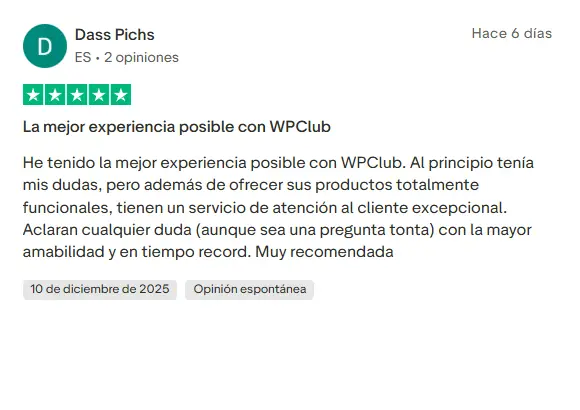
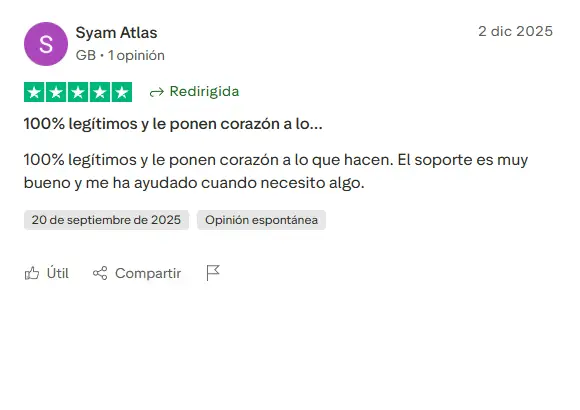
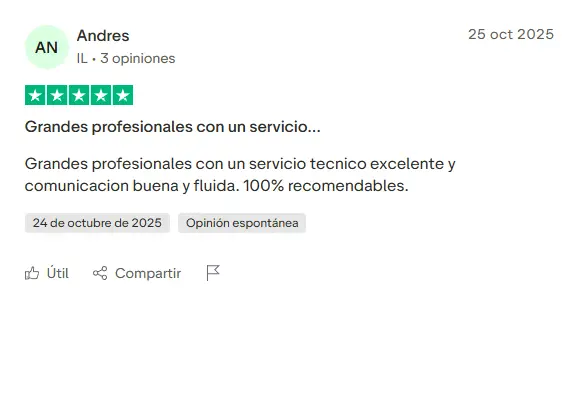
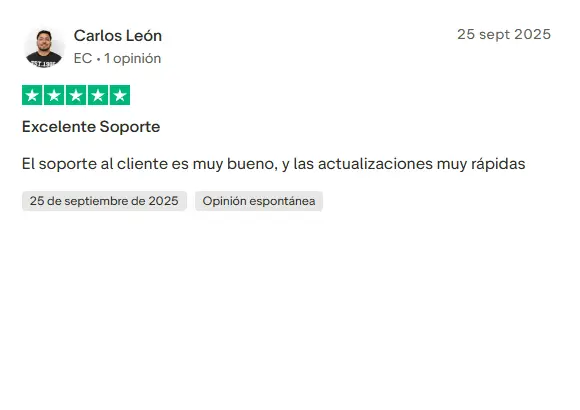
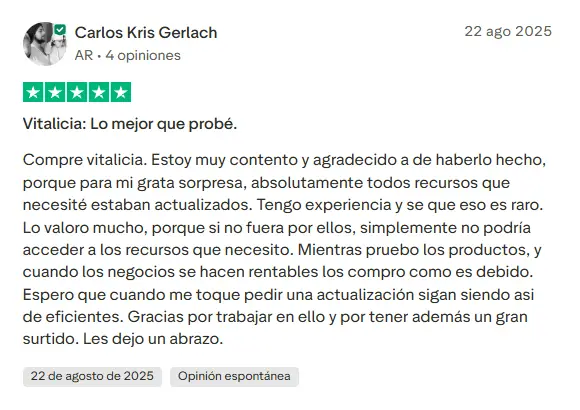
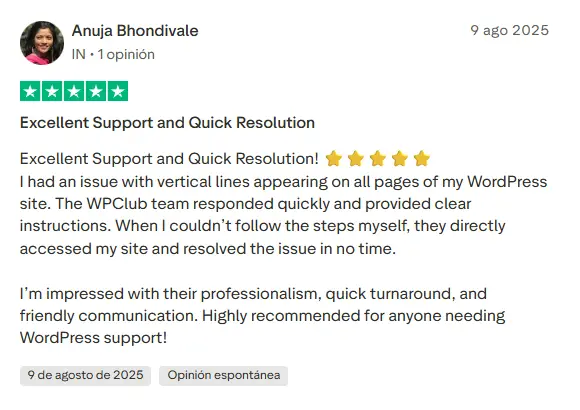
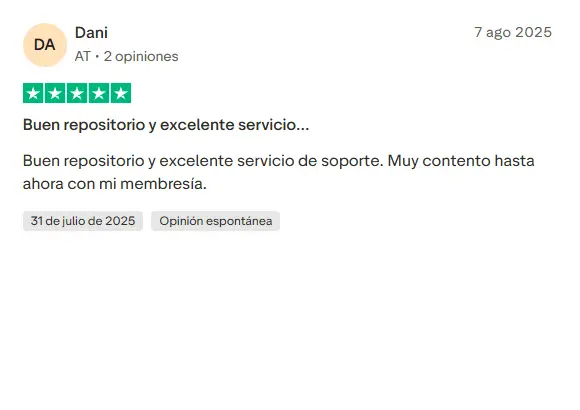
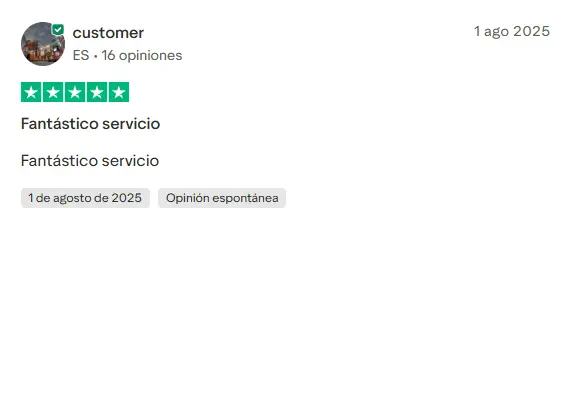
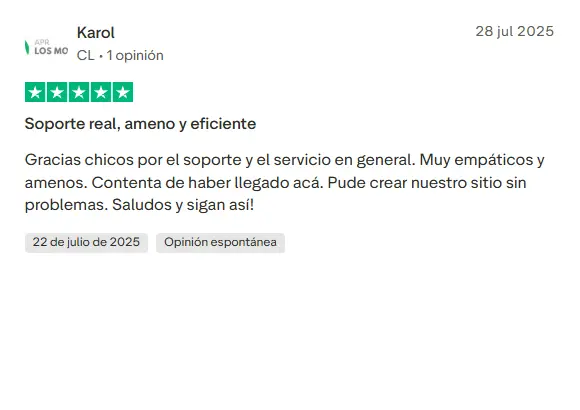
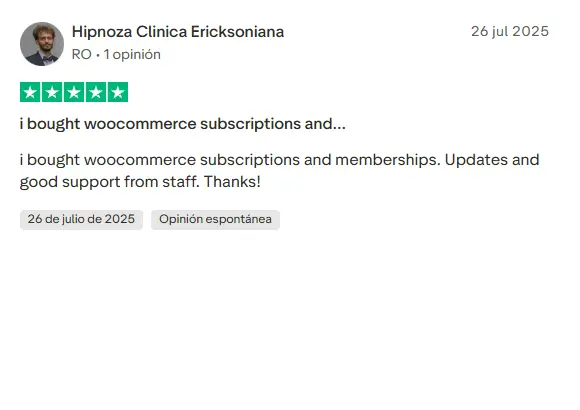
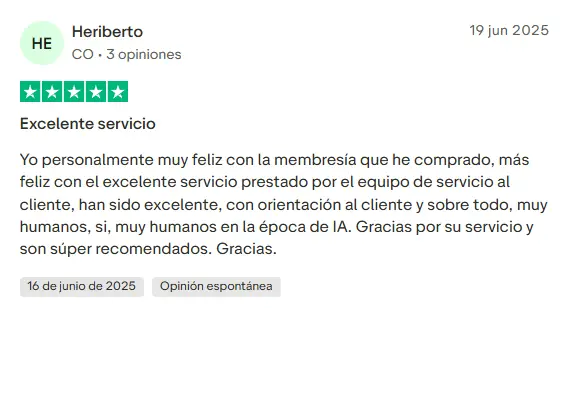
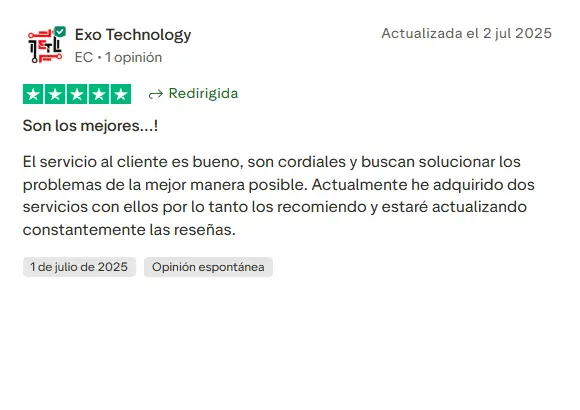
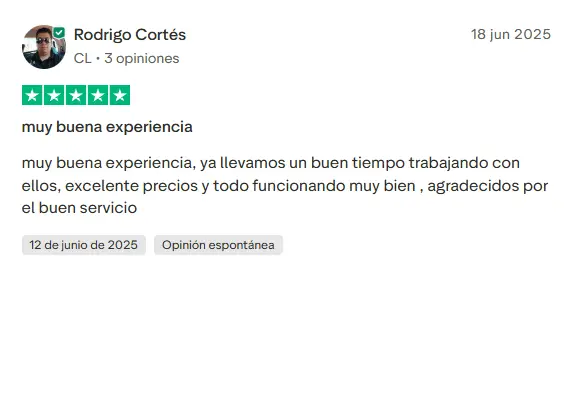
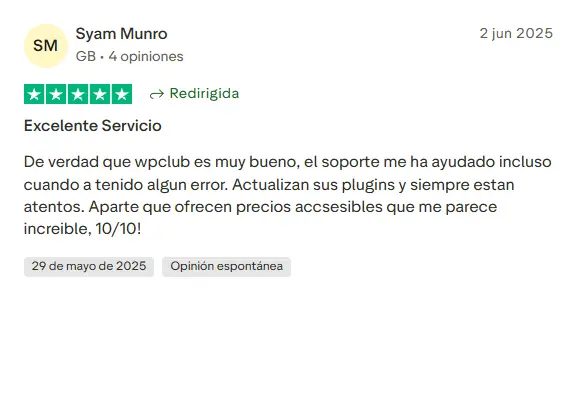
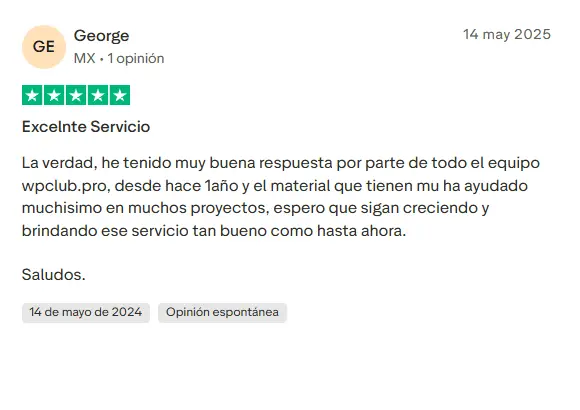
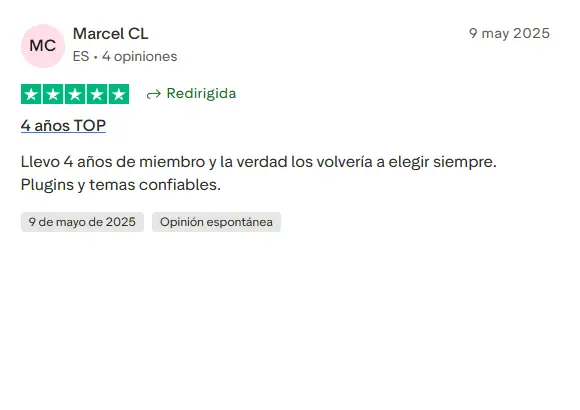
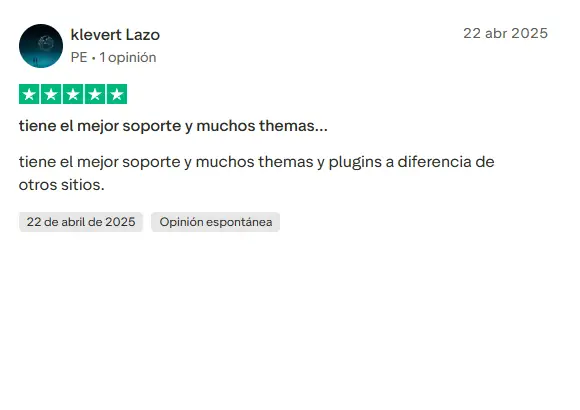
Our Reputation on Trustpilot
Many thanks to those who take the time to give us a rating on Trustpilot. Each and every one of your comments is very helpful to us. We strive to provide a rewarding experience for every member of our community, always with respect and care. We'll be here!


WPClub Memberships
Access our entire catalog for a single payment. We offer three memberships: Monthly, Annual, and Lifetime (One-Time Payment).
- Save thousands of dollars
- Unlimited daily downloads
- No recurring payments
- Fast downloads by AWS
- Quality service and support, validated since 2018
- We work with love for our community